
A Comprehensive Guide To Patient Care

Patient care covers a broad spectrum of activities aimed at advocating health, preventing illness, and guaranteeing patient well-being. Great patient care not only focuses on respect for personal needs but also on empathy, communication, and respect for the individuals Patient care is the help and support medical personnel give to diagnose, treat, and manage a patient’s medical condition. It offers mental health treatment, palliative care, long-term disease management, acute care, and preventive care. Good patient care goes beyond therapy by creating a trusting link between patients and medical personnel. The role of practical nurses in patient care Practical nurses are highly valued in healthcare environments, including hospitals, nursing homes, outpatient clinics, and private homes. Their many duties include providing bedside care, dispensing drugs, tracking critical signs, and helping RNs and doctors with difficult operations. Patients and their families typically first encounter practical nurses. To interact well with patients, practical nurses need to be empathic, thorough, and knowledgeable. Core components of patient care in practical nursing Effective communication Effective communication is needed for developing confidence and guaranteeing adequate patient treatment. A practical nurse must: Pay close attention to symptoms and patients’ worries. Clearly explain treatments, medicines, and care plans in easy language. Keep accurate, thorough notes of patient care and contacts. Communicate well with other healthcare professionals to guarantee a flawless care experience. Clinical skills and knowledge Practical nurses should have a solid basis in clinical skills to offer first-class patient care. Essential skills are: Measure vital signs including body temperature, blood pressure, pulse, and breathing rate precisely and interpret them. They should know about proper medication administration. They must understand how to give drugs safely and know their possible interactions. To avoid infection, wounds require thorough cleaning, dressing, and observation. They should know about patient evaluation and find changes in patient condition and relay them to the medical staff. Patient safety Practical nurses’ top priority is to guarantee patient safety. This refers to: Following typical hygiene procedures to lower the chances of infection. To help patients move and keep the surroundings free of debris. Make sure of drug orders, amounts, and times of administration. Whether errors or near-misses occur many times or not, better patient safety standards will result from their quick reporting. Emotional and psychological support Patients usually undergo anxiety and stress throughout their medical path. Practical nurses provide great emotional support by helping with: Building trust and establishing a rapport with patients and their families. Active listening to the concerns patients have. Showing empathy to display sympathy and knowledge of patients’ experiences. Empower patients by providing knowledge about their condition and care plan. Best practices of patient care Cultivate cultural understanding One can improve communication and attentive treatment by appreciating and knowing the cultural backgrounds of patients. Practical nurses should: Recognize cultural expectations concerning communication and therapies. Offer treatment coincident with patients’ customs and ideas. Keep updated on the training level Maintaining competence in patient care requires continuing education. Practical nurses should: Join training programs and workshops. Stay updated about progress in medical technology and therapies. Develop self-care skills Nursing’s demanding profession can cause burnout. Nurses should: Take regular breaks. Ask coworkers and managers for help. Engage in stress-management exercises. Ethical and legal considerations in patient care Practical nurses’ adherence to legal and moral guidelines including: Keep patients’ personal information according to HIPAA standards and respect their privacy. Provide assurance that therapies will be correctly understood and approved. Advocate for patients by acting in their best interest and raising their voice if their care is substandard. Challenges in patient care and how to overcome them Communication barriers Hearing loss can interfere with communication as can language differences. Solutions to these obstacles include: Translation facilities offer benefits in communication. Writing down information for patients with hearing impairments. Time restriction The fast-moving nature of healthcare can make it difficult to devote enough time to every patient. Practical nurses can manage time by: Ranking chores according to their need of use. When feasible, delegate non-clinical tasks. Psychological strain It can be difficult sometimes to take care of patients suffering from chronic diseases. Practical nurses need to: Seek guidance from peers or professional help when necessary. Balance your work life and personal life in a healthy manner. Conclusion Good practical nursing patient care comprises emotional support, effective communication, clinical techniques, and patient safety precautions. Staying knowledgeable, honing empathy, and following ethical standards enable practical nurses to deliver first-class care that greatly affects their patient’s lives.
The Day InThe Life Of A Practical Nurse Roles And Responsibilities

Practical nurses, often called practical nurses (PNs) or vocational nurses (VNs), play a vital role in the healthcare system. They provide primary care to patients, working under the direction of registered nurses (RNs) and physicians. Their work is demanding and rewarding, requiring technical skills, empathy, and the ability to adapt. Morning routine setting the tone for the day Practical nurses usually begin their day early, working in hospitals, nursing homes, or long-term settings. The morning shift usually begins with receiving a report from the previous shift. In this handover, PNs are aware of patient condition and treatment plan changes for patients as well as any aspects that may require immediate attention. This is usually associated with going through patient charts and preparing for scheduled treatments, including taking medicines. For example, an PN may take the blood sugar level of a diabetic patient and inject insulin in time for breakfast. Organization and proper time management help at this point in ensuring a smooth workflow. Providing direct patient care The primary role of an PN is direct patient care. Activities such as bathing and dressing patients, and measuring and recording patient’s vital signs comprise a few of the many patient-related duties that an PN carries out. PNs work closely with patients who depend on someone for everything, from moving to eating and attending to aspects of personal hygiene, ensuring that dignity and comfort are maintained. PN duties also include the administration of wound care, dressing changes, and catheter insertions. For example, in the post-surgical unit, an PN cleans and dresses the surgical incisions to avoid infection and promote healing. Each task requires an eye for distinct detail so that patients receive the highest standard of care. Administering medications Administering medication is the most significant task in practical nursing. Practical nurses should know about the patient’s issue rightly, and then they should also know about drug and medication dosage, dosage calculations, and drug interactions. Administering medications should be done safely. Medication administration is also one of the significant responsibilities that fall under an PN’s responsibility. The practical nurse learns to administer oral, topical, and injectable drugs safely by the prescribed dose and schedule and observe for side effects or reactions from the medication. Supporting emotional and mental well-being Beyond the physical care of patients, PNs play an important role in supporting the psychological and mental health of patients. Many patients experience anxiety, depression, or being overwhelmed, particularly those in long-term care or suffering from chronic illnesses. A practical nurse lends a listening ear, offers encouragement, and in some cases acts as a connecting link between a patient and the family. For example, the PN at a pediatric unit might comfort a petrified child before surgery through both verbal assurances and diversion activities such as storytelling or playing games with the child. Similarly, an PN can comfort an aged patient who has feelings of isolation by setting up a video call with the relatives. Staying organized Practical nurses assist patients during meal times by ensuring adherence to dietary restrictions and monitoring their food intake. Practical nurses also give actual assistance with feeding patients who need it. The practical nurse keeps an extensive record concerning the care of a patient, for instance, vital signs, medication administration, as well as any changes to their condition. Proper documentation guarantees continuity of care as well as legal and regulatory compliance. Collaboration with the healthcare team Collaboration is an essential part of a practical nurse’s role. Thus, PNs directly work with RNs, physicians, and other healthcare professionals to coordinate care while participating in team meetings, sharing their observations with others regarding patients, and engaging in developing care plans. Good communication is very important for seamless transition of care among all providers to give a patient comprehensive, individualized care. The challenges of being a practical nurse The physical demands of the job, such as lifting patients and standing for long periods of time, can be difficult. Emotional challenges, such as dealing with a patient’s pain or illness, require a lot of patience and coping skills. In addition, practicing nurses must navigate the complexities of the healthcare system, including tight schedules and staff shortages. Despite these challenges, nursing careers are rewarding. The ability to improve patients’ lives, build meaningful relationships, and contribute to the healthcare team makes this work very satisfying. The impact of practical nurses on healthcare Practical nurses provide direct patient care, support the work of registered nurses and physicians, and ensure that healthcare facilities operate efficiently. In settings such as hospitals, nursing homes, and clinics, nurse practitioners are the primary point of contact for patients, making their work critical to patient satisfaction and outcomes. Additionally, nurses play an important role in addressing healthcare disparities. By spreading empathy and cultural awareness, they help close the gap in access to quality care for vulnerable populations. Conclusion A day in the life of a working nurse is difficult, challenging, but also rewarding. From administering medications and monitoring patients to providing emotional support and educating families, nurses play a central role in patient care. Their dedication, expertise, and compassion make them an integral part of the healthcare system.As the demand for healthcare services increases, the role of the nurse practitioner becomes even more important. By understanding the daily work and impact of these professionals, we can better recognize their contributions and support their important work.
What is a Practical Nursing Certificate?
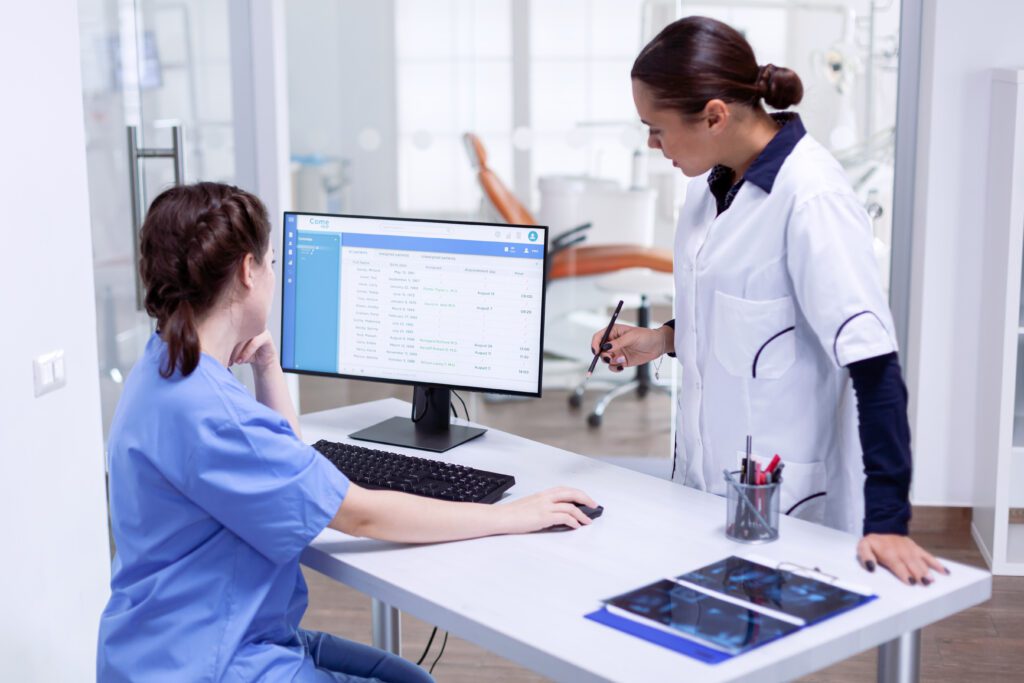
A practical nursing certificate is a credential of the academic and professional type that qualifies one for licensing as a practical nurse (PN). This certification is based on the completion of a state-approved practical nursing program that provides the knowledge and training in skills to allow for the provision of basic nursing care supervised by registered nurses (RNs) and physicians. The main emphasis of a practical nursing course is on basic nursing principles in clinical practice and practical experience to prepare graduates to offer quality service in different healthcare settings. Overview of a practical nursing program Practical nursing is a rewarding and important branch of nursing practice that balances personal development with the opportunity to impact human lives through patient care. Practical nursing programs prepare students to become practical nurses (PNs), who may also be referred to as vocational nurses (VNs) in some states. PNs work under the supervision of registered nurses (RNs) or doctors. The responsibilities of an PN may include: Monitoring patients’ vital signs. Administering medications. Assisting patients with activities of daily living, such as bathing and dressing. Performing dressing changes and wound care. Reporting patients’ progress to RNs and physicians. Practical nursing requires a formal educational pathway and a time-consuming licensing process due to the responsibilities and skills required in this role. Core subjects covered Anatomy and physiology: The dynamics and structure of human anatomy help students understand the biological systems and processes that affect health. Pharmacology: Teaches administering and calculating the dosage of medications and their effects on the body. Medical-surgical nursing: Adult patients suffer from numerous medical conditions, and the emphasis will be on the management of diseases as well as surgical recovery. Pediatric and geriatric nursing: This emphasizes specialized training on how to take care of special populations like children and older persons. Mental health nursing: Psychological aspects of patient care, such as mental health assessment and interventions, are the focus areas of mental health nursing. Clinical practice: Hands-on training and exposure to diverse healthcare settings will allow nurses to perform confidently in clinical settings. As the healthcare industry develops, clinical experience plays an important role in providing efficient care to patients. Nurses can also fulfill responsibilities and make significant improvements in the healthcare system. Admission requirements Admission to a practical nursing certificate program typically requires: A high school diploma or GED. Passing scores on entrance exams such as the TEAS (Test of Essential Academic Skills). Background checks and immunization records. CPR certification (in some programs). Licensing and certification Once your PN training is completed, your certification is awarded. But you still need to complete your license examination to work as an PN. The national licensing test for practical nursing (NCLEX-PN) is supervised by the National Council of State Boards of Nursing (NCSBN). Passing the exam allows you to obtain your license and work as an PN. Career opportunities for practical nurses Practical nurses with licensure have been in demand for short durations, especially in long-term care settings, among rehabilitation centers, within home healthcare, and within outpatient clinics. The job responsibilities are: Monitoring health and vital sign recording of patients Giving medications and injections Helping patients in performing their daily activities, such as bathing and dressing Collecting samples for laboratory testing Educating patients and their relatives about care plans and treatments. Benefits of a practical nursing certificate Short duration program: Since this is a short course, it allows one to graduate early and step into the busy workforce. Affordability: Practical nursing programs are now lesser in cost compared to associate or bachelor degrees in nursing. High demand: There is a constant demand for practical nurses because the growing and underdeveloped population will need more healthcare. Career advancement options: PNs can pursue further education to become RNs or specialize in pediatric or geriatric nursing. Flexible work settings: PNs spend their working hours in hospitals, clinics, nursing homes, schools, and private homes. Challenges of becoming an PN Certification in practical nursing can prove very helpful, but it also has its disadvantages: Physical demands: PNs usually spend long hours standing and may have to move and lift patients. Emotional stress: The entire process of dealing with sick or terminally ill patients and their families can be emotionally draining. Limited scope of practice: PNs cannot perform a number of procedures or functions and must always have the RNs or doctors supervising them. Conclusion The Practical Nursing Certificate is a good foundation for candidates who want to be a nurse relatively quickly and cheaply. It offers the foundational knowledge and skills necessary to deliver compassionate, competent care to patients. For all these reasons- job stability, career advancement, or a rewarding role in health– one should consider practical nursing certificates. By selecting the right program, aspiring PNs can prepare for the NCLEX-PN and, thus, have an exciting and productive nursing profession.
What Are The Levels Of Nursing From Lowest To Highest?

Nursing is an integral part of the system of healthcare; it is always changing and diverse with a range of career opportunities based on educational levels, responsibilities, and specializations. The hierarchy of nursing roles may help aspiring nurses to formulate their career paths and to make better choices about their professional development. Certified Nursing Assistant (CNA) Overview A Certified Nursing Assistant (or CNA) is the entry-level category of nursing. They provide basic patient care and maintain support with a registered nurse (RN) or a licensed practical nurse (LPN). Education and Certification: Education requirement: High school diploma or equivalent. Training: Completion of a state-approved CNA training program (usually 4-12 weeks in length). Certification: Passing a competency exam allows the candidate to be certified. Responsibilities Assist the patient in performing daily activities such as bathing, dressing, and eating. Measure vital signs (e.g., blood pressure, temperature). Report the changes of the patient’s condition to nurses. Support patients and their families’ emotional states. Job opportunities: CNAs usually work in hospitals, nursing homes, and long-term care facilities. It is a good entry point into nursing for those wanting to pursue a more advanced career. Licensed Practical Nurse (LPN) / Licensed Vocational Nurse (LVN) Overview All licensed practical nurses are known in some states as licensed vocational nurses. They perform much more advanced tasks than certified nursing assistants and are supervised by an RN and by physicians. Education and Certification: Essential factors for education: a program for practical nursing accredited by the state and lasting for an average of 12 to 18 months. Licensure: To pass the National Council Licensure Examination for Practical Nurses (NCLEX-PN). Responsibilities Administration of medications and injections. Monitoring the patients’ health status and documenting changes. Wound care and basic medical procedures assistance. Educating patients on health care management. Career outlook: LPNs/LVNs can work in hospitals, clinics, and home health care environments. Most LPNs advance their schooling to become RNs. Registered Nurse (RN) Overview The most important role in patient care is played by the registered nurses, as they coordinate and provide complete nursing services. Such nurses enjoy a wider scope of practice than CNAs and LPNs and have greater autonomy. Education and Certification: Associate degree in nursing (ADN): A 2-year program in community colleges. Bachelor of Science in Nursing (BSN): A university-based course of 4 years. Licensure: Pass the National Council Licensure Examination for Registered Nurses (NCLEX-RN). Responsibilities Formulating and executing plans for the care of patients. Administering treatment and medication. Carrying out diagnostic testing and analyzing results. Giving education to the patient and family on health conditions and care after treatment. Supervising CNAs and LPNs. Career outlook: Diversity in opportunities for RNs is available in hospitals, outpatient clinics, schools, and public health organizations. Many RNs specialize in pediatrics, oncology, or critical care, while others advance to even higher roles through education. Clinical Nurse Leader (CNL) Overview The position of clinical nurse leader is a relatively recent addition in nursing, focusing on the improvement of the quality of patient care and the coordination of healthcare teams. Education and Certification Requirements Master of Science in Nursing (MSN) with a CNL concentration. Certification through the Commission on Nurse Certification (CNC). Responsibilities Managing patient care outcomes. Implementing evidence-based practices. Participating with the collaborative healthcare teams to ensure optimal patient care. Leading quality improvement initiatives. Career prospects: CNLs mostly work in hospitals and healthcare facilities and engage in system-level changes. They strengthen the continuity between bedside care and the administration through their functions and leadership. Nurse Practitioner (NP) Overview Nurse practitioners represent the advanced practice nurse who can provide care services, from the primary up to specialized care. Independently or in collaboration with the physicians, they may function. Education and certification: Education requirements: Master’s degree in nursing or Doctor of Nursing Practice. Certification: National certification in a specific area of specialization (e.g., family, pediatric, or psychiatric-mental health). Responsibilities Diagnose and treat acute and chronic illnesses. Administer medications and therapies. Conduct physical examinations and interpret diagnostic tests. Patient education and counseling Career prospects: NPs are in high demand for primary care, specialty clinics, and hospitals. Compared to RNs, NPs have more independence in patient care, and they are increasingly viewed as a cost-effective solution for the shortage of healthcare providers. Clinical Nurse Specialist (CNS) Overview Clinical nurse specialist is another category of APRNs that enhances the quality of care and service provided as well as outcomes for patients who come under their consideration. Education and certification: Educational requirements: MSN or DNP with critical care CNS focus. Certification: Specialty certification based on practice area. Duties: Provides expert consultation to nursing staff. Develops and implements evidence-based practice guidelines. Conducts research to improve patient care. Educates patients and healthcare professionals. Career prospects: CNSs work in hospitals, universities, and clinical facilities, focusing on certain populations or specific clinical specialties, such as cardiology or oncology. Certified Nurse Midwife (CNM) Overview They are nurse midwives who specialize in serving women’s reproductive ages, which include prenatal care, delivery, and postpartum care. Education and certification: The requisite educational qualifications include an MSN or DNP with a concentration in nurse-midwifery. AMCB Certification: The American Midwifery Certification Board (AMCB) certifies candidates. Responsibilities: Patients receive gynecological care, including family planning. Managing low-risk pregnancies and deliveries. Prenatal education and counseling. Collaboration with obstetricians regarding high-risk cases. Career prospects: CNMs usually work in hospitals, birthing centers, and private practices and are critical to improving maternal and child outcomes. Certified Registered Nurse Anesthetist (CRNA) Overview A CRNA is a specialized nurse who gives anesthesia to patients undergoing surgery or diagnostic procedures. Education and certification: Education requirement: DNP or DNAP (Doctor of Nursing Anesthesia Practice). Certification: Certification through the National Board of Certification and Recertification for Nurse Anesthetists (NBCRNA). Responsibilities: Pre-anesthetic evaluations. Administering anesthesia. Patient monitoring and adjusting anesthesia as needed. Return anesthesia recovery care. Career prospects: CRNAs work in hospitals, surgical centers, and military healthcare facilities. They are among the highest-paid nursing professionals because of their highly specialized skills and critical role. Doctor of Nursing Practice (DNP) and PhD in
What is the fastest way to become an PN?

In case you have aspirations of turning into a nurse but are eager to start working in the healthcare industry, know that becoming a practical nurse (PN) is one of the quickest options. PNs are an integral part of the healthcare system as they help patients with their everyday activities and are in direct collaboration with the doctors and registered nurses (RNs). What is an PN? PNs work in healthcare settings to provide specialized care to the patients. They are responsible for the primary care of the patient. They assist patients in carrying out their routine activities and also carry out various tasks such as taking and recording vital signs of patients, looking after injuries, and giving drugs to the patients. Safe and efficient provision of care to the patient calls for broad sympathy, strong clinical competence, as well as clear communication. Nurses are expected to be the patients’ advocates, together with other specialized groups, and deploy themselves in areas such as hospitals, clinics, and above all, nursing homes. PNs play a significant role in taking care of the patient: Monitoring vital signs Generating assessment on patients Helping patients in doing basic activities Assisting physicians Maintaining patient documentation Why choose to become an PN? Pursuing a career as an PN is a good decision if you: Want to enter the workforce quickly: The duration of programs is much shorter than that of RNs and other healthcare professionals. Want to earn a good salary: Though RNs earn more, an PN will still make a decent net income. Enjoy helping people: It’s a hands-on job focused on patient care. Plan to advance your nursing career later: Enrolling in a program for PN training can assist one in their journey towards becoming an RN or other higher-level positions. Step-by-step guide to become an PN quickly Research and choose an PN program The first step is to find the right PN program. These programs are offered at: Community colleges Vocational schools Technical institutes When choosing a program, look for one that: Is accredited: Accreditation ensures the program meets quality standards. Fits your schedule: Some programs offer evening or online classes for flexibility. Is close to home: A nearby school can save time and commuting costs. Meet the entry requirements Most PN programs require: A high school diploma or GED Passing a basic math and English test A clean background check Proof of immunizations and a health check-up Some programs may also require you to complete prerequisite courses like anatomy or biology. Enroll in a program Once you’ve found a program, complete the enrollment process. Many schools have counselors who can guide you through application steps, financial aid, and class registration. Complete the PN program PN programs are typically 12-18 months long, making them one of the quickest ways to start a nursing career. Here’s what to expect during the program: Classroom learning: You’ll study subjects like anatomy, pharmacology, and patient care. Hands-on training (clinical hours): You’ll gain real-world experience by working with patients in hospitals, nursing homes, or clinics. Read More: What states can an PN challenge the RN boards? Prepare for the NCLEX-PN exam You must pass the National Council Licensure Examination for Practical Nurses (NCLEX-PN) to become licensed after completing your PN program. To prepare: Use study guides: Many books and online resources are available. Take practice tests: Familiarize yourself with the exam format. Join study groups: Learning with others can make studying more effective. Apply for your PN license Once you pass the NCLEX-PN, apply for your PN license in your state. Each state has its licensing board, so check their specific requirements. Start working as an PN With your license, you can start working! PNs find jobs in: Hospitals Nursing homes Clinics Home healthcare services Tips to fast-track your journey to becoming an PN Choose accelerated programs: Certain institutions provide three-month courses that you can choose. Take prerequisites early: Relying on these subjects while learning the core subjects is free time that can be wasted. Consider online programs: There are schools that allow you to turn in the class portion of training, which helps save a lot of time and is also more convenient. Maintain focus: Allocate some time every day of the week for revision and skills practice. Enroll for financial aid or apply for scholarships: Alleviating the issue dealing with finances helps you to focus on whether completing your course or not. Benefits of becoming an PN Quick start to your career Career advancement opportunities Good salary Challenges to keep in mind Physical demands Emotional stress Continuing education Conclusion One of the quickest ways to venture into the medical field and begin changing people’s lives is by becoming an PN. With the appropriate program and a dedicated learner, this can be achieved in as few as 9-12 months. If you are considering a shift in your career, choosing to become an PN is an ideal option.
How much schooling for PN is required?

PNs, also referred to as licensed practical nurses, play an important role in the provision of basic medical care and the maintenance of patients in health facilities. If you are looking forward to undertaking PN training, one of the most essential things to comprehend is the education needed. What is an PN? PN is an individual who is employed in the medical field and carries a state license for practicing nursing. PNs work under the supervision of the RNs and doctors. PNs undertake the following duties: Checking the patient’s vital signs like blood pressure, temperature, and heart rate. Administering medications and injections. Helping the patients in their day-to-day activities like taking a bath, putting on clothes, and taking meals. Wound care and changing dressings. Recording information about patients in their charts and giving reports to the RNs and medical doctors. This role is not only important in terms of quantity but also in the quality of care given to patients, most especially in nursing homes, hospitals, clinics, and home health. Schooling requirements for PNs In most cases, any PN aspirant must complete a state-recognized educational program and the National Council Licensure Examination for Practical Nurses (NCLEX). Educational program practical nursing certificate/diploma Some universities, vocational schools, and community colleges offer PN programs. These programs include aspects of the theory and practice of nursing. Duration Most PN programs last from a year to one and a half years. The exact timeline depends on the full-time or part-time commitment of the PN student Course content PN programs coordinate both classroom learning and clinical practice. Anatomy and physiology: This subject teaches the anatomy and system of structures of the human body. Pharmacology: Introduction to the concept of medicine and how it is used. Nursing fundamentals: This comprises basic patient care, cleaning, and medical record keeping. Nutrition: The importance of food to health and recovery of patients. Medical-surgical nursing: Care of patients who are scheduled for surgery or suffering from chronic illness. Pediatrics and geriatrics: Provision of healthcare services to children and old people, respectively. Read More: What workplace does a licensed practical nurse work in? Clinical training PN schooling is not complete without hands-on training. Clinical training is aimed at providing students with an opportunity to work in the real world with the help of trained professionals. This usually happens in hospitals, nursing homes, or clinics. Duration The hours of clinical training provided in different programs differ and mostly depend upon the state requirements. State licensing requirement At the end of the PN program, qualified candidates are required to go and get a practicing license as a nurse. This means: Passing the NCLEX-PN: It is a national examination given to those who want to become practical nurses. It includes various topics like patient and family safety, management of care, and medical care using drugs. Meeting the state-specific requirements: In some states, there may be further steps to obtain a license, such as a history check or completion of certain education after the initial license is obtained. How long does it take to become an PN? Education: Usually, a practical nursing program comes as a two-year course; however, shorter programs take anywhere between 12 to 18 months. Licensure: Preparing for and passing the NCLEX-PN can take an additional 1–3 months. In total, becoming an PN generally takes 13 to 21 months. Fast-track options and flexibility Accelerated programs: Certain institutions offer fast-tracked PN programs that can be finished in less than one year, i.e., usually 9 to 12 months, making it easy for learners to join the workforce. Part-time programs: For those who are working or have other family commitments, they may opt for evening or part-time programs where the coursework is taken over a period of 18 to 24 months. Online PN programs: Clinical rotation must be done on-site; some curricular components may enable students to complete some coursework online. Benefits of becoming an PN Shorter education path In comparison to other levels of nurses, like registered nurses or nurse practitioners, PNs have a relative ease in entering the workforce due to their shorter education path. Affordable education PN programs are more cost-effective than bachelor’s or associate degree programs for registered nurses. Job opportunities The need for PNs is quite positive, as they are offered in a number of healthcare services as well. Career advancement There are many opportunities for PNs for career advancements. It is possible for PNs to get more qualifications and become RNs. Tips for succeeding in PN school Time management Leverage resources Practice clinical skills Build a support system Prepare for NCLEX-PN exam Conclusion For those with a strong interest in healthcare, becoming an PN is a fulfilling career choice. As little as 12 to 18 months of education can lead to a rewarding career that improves patients’ lives. You can start down the path to become an PN by becoming aware of the certification requirements, licensing procedure, and employment opportunities.
Essential Tips For Excelling In Your Practical Nursing Program

Taking a practical nursing course is one of the most fulfilling experiences for those considering the medical profession. It gives learners the understanding and abilities needed in offering thoughtful and skilled services within any medical environment. Understand the program’s structure Before you immerse yourself deeply in your practical nursing program, you should try to understand the structure of the curriculum. Most of the programs have three components, namely intensive lectures, laboratory teachings, and hands-on clinical experiences. Each of the aspects is important, as they all work towards equipping you with skills that are relevant to nursing practice. Classroom learning: This entails theory development in areas like anatomy, pharmacology, and nursing ethics. Lab work: This gives the students an opportunity for practical work but in a controlled environment. Clinical Rotations: This is a hands-on approach in which one practices in the field under the supervision of trained personnel. Develop strong study habits It requires a lot of effort in studying for one to succeed in a practical nursing program. Here are some tips to help manage your studies: Develop a study schedule: Set aside time for reading, going through notes, and doing coursework assignments. Use various study aids: Use flashcards and applications, devices, and other internet materials to assist in learning topics. Form study groups: Help your colleagues by sharing information in order to clarify difficult topics. Stay Organized Attending lectures, doing clinical rotations, and completing assignments in a practical nursing program can be very challenging sometimes. Therefore, it is very important to plan and organize your tasks: Use a planner: Mark in a calendar key dates such as examination dates, dates for submission of assignments, and a timetable for clinical rotations. Prioritize tasks: Start with the most urgent and most important tasks. Clear your surroundings: Ensure that your workspace is neat and tidy to help enhance concentration and effectiveness. Focus on time management Time management is very important in a practical nursing program. With both academic and clinical obligations imposed on an individual, it is necessary to practice effective time management. Avid procrastination: Try to tackle every chore but the biggest, in pieces understandable by your time limits. Limit distractions: It is necessary to have in place a well-explained strategy with boarding study hours and rate interruptions. Set goals: Putting down daily and weekly targets may enable you to stick to your plan and know how far you have gone. Read More: How a practical nursing program prepares you for specialised nursing roles Engage actively in clinical rotations Clinical rotations are the key components of the practical nursing program, allowing the learner to put into practice what has been learned in the classes. To succeed: Be prepared: Familiarize yourself with the patient cases and procedures before shifts. Ask questions: Do not hesitate to approach any of the supervisors or colleagues for any clarifications you may need. Communicate: effective communication with parents and other family members is very important. Build a support system Enrolling in a practical nursing program can be challenging, both mentally and emotionally. However, having a supportive network around oneself helps: Family and friends: Always update them on your progress and do not hesitate to solicit their support. Classmates: They share the same challenges with you and can help with encouragement. Faculty and mentors: Do not shy away from seeking help, whether for school or professional issues. Take care of your health Your wellness is important in order to thrive in a practical nursing course, as it has been noted that neglecting one’s health can lead to exhaustion and lesser output. Follow a nutritional plan: Provide healthy food to your body in order to keep up with the energy levels required. Engage in physical activities on a regular basis: exercising can help in relieving tension and boost concentration. Sleep More: Energy levels and memory retention are best maintained by sleeping for 7-8 hours every night. Master stress management techniques The practical nursing program is demanding and has a fast pace, which may cause stress on students. Knowing how to cope with stress in an efficient manner will enhance your performance and experience. Meditation: Employ several techniques such as breathing exercises and meditation so as to calm your nerves and remain focused in tough situations. Take breaks: Take some time off from your studies to refresh slightly. Be optimistic: Reflect on the positives within your life and seek fitting reasons as to why you are on this demanding journey. Conclusion Success in a practical nursing program entails commitment, effective organization and discipline, and physical and psychological resilience. Through comprehending the composition of the program, developing effective study skills, and participating in the clinical activities, you can prepare yourself for success. Also, do not forget to use the established support system, take care of your health, and keep your spirits up till the end of this undertaking.
How To Build A Professional Network During Your Practical Nursing Program

Creating and developing a network is an important aspect of facing the nursing career challenge. As someone pursuing a practical nursing certificate, you have the potential to interact with classmates, educators, and other medical personnel who can help you advance, advise, and facilitate future undertakings. Engage with your instructors and mentors Creating and developing a network is an important aspect of facing the nursing career challenge. As someone pursuing a practical nursing certificate, you have the potential to interact with classmates, educators, and other medical personnel who can help you advance, advise, and facilitate future undertakings. Tips for building connections Ask questions – always seek to learn more about nursing-related ideas and the field. Seek help – whenever faced with obstacles, do not hesitate to seek help from your lecturers; they will value your seriousness. Maintain professionalism – every encounter must be treated well and professionally since such people could be good advocates in the near future. Through positive engagement with your lecturers, not only will you have help with your studies but also their professional connections. Participate in clinical rotations The practical nursing programs are incomplete without clinical rotations. They provide practical knowledge and exposure to the world. Apart from that, these rotations serve to enhance interactions with the nursing, medical, and administrative staff in various facilities. Tips for networking during clinicals Be proactive: Offer to help out when necessary and put good effort into your work. Build rapport: Talk to the members of staff and show how interested you are in what they do and how they do it. Exchange contact information: If possible, ask for the contact details of those you look up to in order to keep in touch with them once your rotation is over. Connect with your peers As you progress in the practical nursing program, your fellow students will become your professional associates. Therefore, it’s important to nurture friendly relations with your mates as they help foster both friendship and professional work. Tips for peer networking Study groups: Create study groups for group work and exam revision. Social media: Set up and encourage a private social media group for your class to share materials and keep in touch. Celebrate milestones: Go to graduation parties and other functions to create bonding experiences. These relationships are very important, especially in later years when you and your mates are established in your respective professions. Leverage social media and online platforms. Platforms to consider LinkedIn: This is where one can create a professional profile, add friends from their class and their lecturers, and even join professional nursing associations. Facebook groups: Lots of nursing students and graduates belong to such growing groups where they offer great advice and job opportunities. Twitter: Looking for nurses to follow and get involved in health-related Twitter conversations. Use these platforms to document and promote your progress in the practical nursing program. Attend networking events and conferences. Joining networking events and seminars makes it possible for you to meet experts from different fields of health and learn new things about the profession. How to maximize networking opportunities Be prepared: Business cards (if available) should be carried along, and a short speech tailored for self-introduction should be rehearsed beforehand. Engage actively: Go to the classes, pose questions during the lectures, speak with the people who are giving talks, and so on. Follow up: Attach messages of a personal nature to the contacts made at the given occasion after it has ended. Most of the practical nursing courses offer students information about the upcoming nursing events on a certain or national level – make sure you show up whenever you can. Read More: What states can an LPN challenge the RN boards? Seek out mentorship opportunities. Finding a mentor can be helpful as they would offer assistance and provide knowledge during your practical nursing program and even after. Steps to find a mentor Identify potential mentors: such as professional people during your clinical rotations, instructors, and even graduates of your practical nursing program. Reach out: Find someone whose career you respect and admire. Tell them you would like to learn from them and ask if they are comfortable with you asking for assistance with this. Be mindful of their time: plan short, scheduled check-ins rather than overwhelming them with constant updates. A mentor may advise you on career choices, assist you in recognizing your areas of strength, and introduce you to their professional circles. Conclusion The ability to build professional relationships is one of the most important skills that can influence one’s career growth more than any other factor. Availing oneself of the opportunities present in the practical nursing program assists in the formation of a relevant social network that is rich in resources. Interaction with instructors and other nursing candidates, participation in functions, and use of online resources all help one create relations that will be helpful when one starts nursing.
Where can an PN work?

The healthcare system cannot function effectively without its core component, the hands-on work carried out by practical nurses (PNs), who operate under the direction of registered nurses (RNs) and doctors. The PN role is diverse, so there are different work settings to match different career aspirations and individual strengths. PNs have a wide range of employment opportunities that can include traditional hospitals to more focused or even non-clinical areas, which can perfectly fit their way of life, personal preferences, and future endeavors. Hospitals Although PNs are more likely to be concentrated in certain departments or moved towards outpatient care, there are still many departments in the hospitals where PNs are required such as: Emergency room (ER): ER PNs are members of emergency care teams and may help with the triage and basic care of the patients in the unit. Surgical Units: In these units, PNs help care for the patients before and after surgical procedures. Maternity & pediatrics: PNs can also work in areas like labor and delivery or pediatrics, taking care of mothers and infants, respectively. Medical-surgical floors: PN patients are mostly those who need to be monitored, drugs administered, and other recurrent care done by RNs. Hospitals have a lot of patients with different needs, and this creates a lot of pressure within, which is great for PNs who like working in an environment full of activities and learning. Long-term facilities and nursing home PNs are more commonly found in long-term care centers like nursing homes or rehabilitation centers that cater to and support patients suffering from chronic diseases, disabilities, or age-related problems. The usual duties involve: For an PN who appreciates connecting with patients and providing care for an extended period of time, this is the perfect workplace. Assisted living facilities PNs work with older patients in care facilities who can do most of the activities of daily living, but not all of them, and do not require medical care at high levels. Tasks commonly include: Unlike nursing homes, assisted living encourages independence and provides less intensive levels of care for patients. Home healthcare With home healthcare, PNs can provide care to patients on a personal level, right in their homes. This environment is perfect for people who love to work away from the rest of the team while providing individualized services. Responsibilities may include the following: Rehabilitation centers Rehabilitation centers employ PNs who attend to patients who are recovering from surgery, injury, or illness. Such rehabs may include physical therapy rehabilitation centers, alcohol and drug treatment rehabs, and occupational therapy centers. Amongst standard PN responsibilities are the following: For those PNs who derive satisfaction in witnessing patients improving and becoming self-sufficient once again, working at a rehabilitation center can be very fulfilling. Hospice and palliative care Hospice and palliative care settings are designed to ensure the comfort and care of terminally ill patients and their families. Duties of PNs in a hospice setting include: Correctional facilities In a correctional facility PNs provide healthcare services to the inmates. This includes the following responsibilities: Private practice nursing A few PNs prefer to work in private practices where they can manage care centered on one patient or a few patients. In these positions, PNs spend time attending to patients and tackling such issues as: Public health departments PNs are also recruited by public health departments for different community activities such as vaccination campaigns and health monitoring. Such duties include: Urgent care clinics Clinics that focus on urgent care provide PNs with a fast-paced outpatient environment. They help with: Conclusion PNs are offered a wide variety of employment options within several healthcare facilities, giving them the freedom to work with different patient groups, psychosocial and physical involvement, and schedules. PNs will always find jobs that are in line with their interests and career goals, regardless of whether they work in a typical healthcare facility such as a family nursing care home or a rehabilitation center or perform their tasks in nontraditional ways in schools, prisons, the public health sector, and many other places. Read More
Is pre-nursing the same as PN?

Pre-nursing and licensed practical nursing are two terms that are related to nursing, and often cause confusion. These two terms are related to nursing but they have different concepts in the nursing field. What is pre-nursing? For the students who want to pursue their career in nursing, pre-nursing is considered the preparatory phase. This preparatory phase is before entering a formal nursing program, such as a Bachelor of Science in Nursing (BSN) or an Associate Degree in Nursing (ADN). These pre-nursing programs include basic and essential knowledge and skills that will help students in providing safe and efficient care to the patients. Goals of pre-nursing programs The primary goal of a pre-nursing program is to provide students with foundational knowledge of nursing and meet academic requirements. The curriculum of the pre-nursing program usually covers subjects such as: Anatomy and physiology Microbiology Chemistry Psychology Nutrition English composition Completing a pre-nursing does not provide a licence to work as a RN. However, it’s just a step towards a nursing career. Students who want to work as RNs must apply to nursing schools after completing pre-nursing. Who should consider pre-nursing? Pre-nursing programs are for those individuals who want to pursue their career as RNs. Pre-nursing programs, however, do not fulfill all the educational requirements to work as RNs. After completing pre-nursing, individuals should enroll in nursing schools. Nursing schools are quite complex and extensive: therefore, pre-nursing programs can provide a strong and basic foundation to step into nursing school. What is a practical nurse (PN)? Practical Nursing is a profession related to healthcare that concentrates on delivering basic nursing care under the administration of registered nurses (RNs) and doctors. They provide basic and specialised medical care to a diverse range of patients. PN’s work in healthcare settings to provide specialised care to the patients PNs often work in clinics, nursing homes, hospitals, and home health care entities, among additional medical establishments. They serve as a link between patients and other healthcare teams . They help patients in performing their daily activities and also perform various duties like monitoring patients vitals, taking care of wounds, and administering medications. They require comprehensive skills, proper clinical knowledge, and strong communication skills in order to provide safe and effective care to the patients. PN’s play a significant role in taking care of the patients, such as monitoring vital signs, generating assessments on patients, helping patients in doing basic activities, assisting physicians, and maintaining patient documentation. Goals of an PN program The goal of the PN program is to provide students knowledge and skills with hands-on training to work in different healthcare settings, such as clinics, hospitals, and healthcare facilities. The curriculum of PN programs typically covers subjects such as: Basic Nursing Skills Patient Care Pharmacology Medical Terminology Infection Control Wound Care After completing PN programs, students pass the NCLEX-PN exam to obtain licensure to work as an PN. Who should consider becoming an PN? PN programs are completed in 12-18 months. PN programs are approved by the state. The National Council of State Boards of Nursing administers the National Council Licensure Examination (NCLEX), which you must pass to begin your career as an PN. PN programs are typically shorter than RN programs. Those individuals who want to work further as a high-level nurse, such as an RN or advanced practice nurse, must pass the PN program. Practical nurses work in long-term facilities and nursing homes. They can also serve in outpatient clinics and hospitals, but their role is limited as compared to RNs. Key differences between pre-nursing and PN The key differences between pre-nursing and PN programs are: Educational focus Length of study Career outcomes Licensure and certification Job roles and responsibilities Can pre-nursing lead to becoming an PN? Pre-nursing programs and PN programs are both different nursing programs that are important to pursue a career in nursing. Pre-nursing programs only provide the foundation to enrol in further nursing programs. Pre-nursing programs alone are not enough to become an PN. Individuals who want to start working sooner in healthcare settings becoming PNs is a good option rather than completing their RN program first. It is very important to remember that completing pre-nursing education by itself does not make one eligible to work as an PN. To sit for the NCLEX-PN and get a licence, students would still need to enrol in and complete an approved PN program. Conclusion It is very important to know the difference between pre-nursing and PN programs. Pre-nursing is the preparatory phase, whereas the PN program provides both classroom lectures and hands-on training to become a practical nurse. Both of these programs have different opportunities and different outcomes in the nursing sector. By keeping in mind the differences between both programs, one can make more clear educational decisions and achieve career goals.