
How long does it take for a practical nursing program?

What is practical nursing? Practical nursing is a profession related to healthcare that concentrates on delivering basic nursing care under the administration of registered nurses (RNs) and doctors. Nurses provide primary, safe, and effective care to the patients in different healthcare settings. They also help in accomplishing their daily tasks and perform various duties like monitoring patients vitals, taking care of wounds, and administering medications. They serve as a link between patients and other healthcare teams and work in healthcare settings like hospitals, clinics, and nursing homes. Overview of practical nursing programs Practical nursing programs are very important for the students who want to work in different healthcare settings. These programs are crafted in a way to provide students with basic skills and knowledge about practical nursing. Important aspects of practical nursing, including theoretical knowledge and hands-on training, are provided to the students. It will enable students to perform better in their field and provide safe and effective care to the patients. Students learn monitoring vital signs, generating assessments on patients, helping patients in doing basic activities, assisting physicians, and maintaining patient documentation in practical nursing programs. Enrolling in a practical nursing program brings many benefits, including fulfilling and impactful careers. Practical nursing programs prepare PN’s to work efficiently and effectively in the nursing sector. Program length Certificate programs These programs last between 12 and 18 months. Certificate programs are the shortest programs offering certificates or diploma tracks. These programs allow students to complete their practical nursing training quickly. Certificate programs provide every essential and basic skill and knowledge related to practical nursing. Students can complete their training in a shorter period of time and start working in healthcare settings. Associate degree programs Associate degree programs are offered in some community colleges. These programs are relatively longer than certificate programs. These programs typically last between 18 and 24 months. They provide a comprehensive curriculum that focuses on detailed learning and understanding of practical nursing. Associate degree programs may provide greater opportunities for advancement in the nursing sector. Factors affecting the program length There are several factors that may influence the length of practical nursing programs, such as; Part-time vs. full-time enrollment It depends on the students whether they want to enrol in part time or full time practical nursing programs. Students can choose according to their schedule and flexibility. Part time programs are relatively longer periods of time than full time programs. Online vs. in-person classes Many practical nursing programs provide opportunities for the students to take online classes. But it is not possible to complete hands-on training online. Clinical experience requires students to attend classes in-person. So online practical nursing programs are extended, and students must maintain balance between online coursework and clinical training. Prerequisites Some programs have prerequisites, such as courses in biology or chemistry. If a student needs to complete these courses before enrolling in the nursing program, it can extend the overall time to graduation. Clinical experience Clinical experience is a significant aspect of a practical nursing program. Students must complete specific hours of clinical training in order to complete the practical nursing programs and provide safe and effective care to the patients. Scheduling clinical rotations can also affect the timeline for completion. State regulations Each state has its own specific rules and regulations for the completion of practical nursing programs. The licensure and certification requirements of different practical nursing programs can also vary. These specific regulations can influence the length of the program and the type of training required. Students should consider the rules and regulations of different states before selecting a practical nursing program. The path to licensure The National Council Licensure Examination for Practical Nurses (NCLEX-PN) is the exam necessary to acquire a license as a practical nurse (PN) or vocational nurse (LVN). It is intended to assess basic understandings, skills, and abilities needed to deliver safe and efficient patient care. Every nurse must pass this exam. It ensures that the candidates have the competencies required for safe nursing practices. Preparing for this NCLEX-PN exam also requires time. It depends upon the students how much time they take to prepare best for this exam. Conclusion The length of practical nursing programs depends upon various factors such as type of program, enrollment status, state regulations, etc. On average, students can expect to spend anywhere from 6 months to 2 years in a program. Before choosing a practical nursing program, students must consider the program that coordinates with their schedule and personal commitments.
Tips for Changing Your Nursing Specialty

Why is there a need to change your nursing specialty? Each nursing specialty has different sorts of experience, challenges, and opportunities. These differences in specialisations may be the reason a nurse might decide to switch to a different specialisation. If you desire to face new challenges in your career and you want to explore different types of patient care, changing nursing specialty is beneficial. Seeking growth and development in your career may also lead to a change in specialty. Different specialties offer different skills. If you want to develop new skills and explore new opportunities, changing your nursing specialty is a good option. Securing your job may be a big concern. It may be possible that your current expertise will face a decrease in career opportunities, choosing more in-demand specialisation for job security and stability. Evaluate your skills and motivation, look for more opportunities, and discover which specialty corresponds to your preferences and goals. How to Know When It’s Time to Make a Nursing Specialty Change It is very important to know when it’s the right time to make a change. You may find it difficult as well. There are some indicating points to know the right time for change: When you lost passion in your current work When you feel demotivated When your current specialty environment does not suit your way of working When you are looking for better work-life balance Tips for changing Nursing Specialty Changing nursing specialty requires proper knowledge and strategies to follow. Here are a few tips that may help you change your specialty efficiently and easily. Self-assessment Networking Comprehensive Research Education and Certification Look for the appropriate match Update your resume and prepare well for interviews Seek guidance and support Self-assessment Self-assessment is a very important part while considering the change. It is an essential step. Engaging in self-reflection is a significant aspect of changing nursing specialty. You should ask yourself what the reasons are to change your nursing specialty. Are you feeling bored with your current specialty? Do you want to work in a different setting? Do you want to learn more skills? Are you facing any challenges? These are important questions to evaluate yourself and make a decision. You should also know your goals and motivate yourself to achieve your specific goals. Networking Networking is crucial to make a change in your nursing specialty. Choose your area of interest, and then collaborate with the people working in those areas. They can give you information on the type of work they do, what they like about their position, and some of the things they find challenging. By networking with these people, they will further guide you about the requirements of specific nursing specialties. You may also find job opportunities by coordinating with your seniors and mentors . Comprehensive Research Research is the key to making the right decision. Each specialty provides different skills, knowledge, opportunities, and working environments. So you better keep in view these points while choosing any other specialty. You should also know about the advancements in nursing specialties. Seek help through different research platforms, such as online articles, social media platforms. Seek guidance from nurses who are already working in your preferred specialty to know more about challenges, experiences, and opportunities. Education and Certification To change your nursing specialty, additional education is important. Look for new courses and advanced skills to make sure that you are prepared well for the change. Look for certifications that enhance your qualifications and skills. Know what the educational requirements of the specialty you want to choose are, and invest your time and efforts to achieve your goals Look for the Right Match When considering change, look for the right match. You may have many options to consider. But make sure that you do research and choose the one that suits you. Know about the factors like their requirements, working criteria, and environment, and then make your decision. But always stay consistent. It may take some time for you to adjust in any specialty. Make efforts, build new skills, and gain more knowledge to secure your position. Update your Resume and Prepare well for Interview Make your resume professionally. Add relevant information with all specific changes. Mention your skills and knowledge in the resume and highlight your certifications as well to make it more attractive. It will help you to stand out to potential employers. And prepare well for the interviews. You should be confident and answer the questions professionally. Tell employers about your acquired skills, and also about your past experiences. Seek Guidance and Support You can seek guidance and support from your seniors and professionals. If you find any difficulty while making a change, ask for help from nurses who have experienced career transitions. They can guide you even better. Don’t hesitate about asking for support. You will know about opportunities and also about the challenges you might encounter. Conclusion Considering change in nursing specialty comes with many opportunities and challenges as well. Make sure that you find the right specialty that matches your interests, skills, and working requirements. Evaluate your motivations, and with proper planning and decision-making, you can choose a nursing specialty that fits you well. Look for a specialty that aligns with your interests, goals, and passions.
5 Highest Paying PN Jobs for 2024

What is PN? Practical Nursing is a profession related to healthcare that concentrates on delivering basic nursing care under the administration of registered nurses (RNs) and doctors. They provide basic and specialized medical care to a diverse range of patients. What do PNs do? They help patients in performing their daily activities and also perform various duties like monitoring patients vitals, taking care of wounds, and administering medications. They require comprehensive skills, proper clinical knowledge, and strong communication skills in order to provide safe and effective care to the patients. PN’s play a significant role in taking care of the patients, such as monitoring vital signs, generating assessments on patients, helping patients in doing basic activities, assisting physicians, and maintaining patient documentation. Where do PNs work? PN’s work in healthcare settings to provide specialized care to the patients PNs often work in clinics, nursing homes, hospitals, and home health care entities, among additional medical establishments. They serve as a link between patients and other healthcare teams . Highest Paying PN jobs Nursing jobs offer a wide range of opportunities for growth in this profession. Each role has its specific importance in different healthcare settings to offer specialized care to the patients. All different roles in nursing careers focus on providing high-quality care to the patients. Different highest paying PN jobs include: Nurse Anesthetist (Certified Registered Nurse Anesthetist, CRNA) Nurse Practitioner (NP) Clinical Nurse Specialist (CNS) Nurse Midwife (Certified Nurse Midwife, CNM) Nurse Educator Nurse Anesthetist (Certified Registered Nurse Anesthetist, CRNA) Role of Nurse Anesthetist They give anesthesia for different medical procedures that include surgeries and other crucial procedures. They require certification or a complete degree to hold this job. Average salary The mean average salary is $200,000 to $212,6500 per year. Nurse Practitioner (NP) Role of nurse practitioner Nurse practitioners provide a variety of services to patients in healthcare settings. Specialized education with advanced degrees and certification is required. Their role includes patient assessment and diagnosis, patient education and counseling, and providing treatment to patients. They often provide primary and specialty care to patients after acquiring advanced degrees. Average salary The average salary of a nurse practitioner is $120,000 to $140,000 per year. Clinical Nurse Specialist (CNS) Role of Clinical Nurse Specialist Clinical nurse specialists have expertise and command in particular areas of clinical settings. Clinical nurse specialists play an important role in improving the quality of patient care, supporting healthcare teams, and making improvements in healthcare systems. They also provide specialized care in different areas such as cardiology, oncology, pediatrics, or psychiatric care—depending on their expertise. CNSs also provide advanced knowledge and skills that contribute to better management of specific health conditions. They need a master’s degree and doctoral certification. Average salary The average salary of a clinical nurse specialist is from $110,000 to $130,000. Nurse Midwife (Certified Nurse Midwife, CNM) Role of Nurse MIdwife They have expertise in midwifery and conditions related to women’s health. Their responsibilities include providing prenatal care, labor care, postpartum care, emergency care, gender related services. Nurse midwives play a very significant role in providing essential care and also provide medical interventions when needed. They also provide family planning services. They need a master’s degree and certification in nursing midwifery. Average salary The average salary of a nurse midwife is from $100,000 to $120,000. Nurse Educator Role of Nurse Educator Nurse educators play a vital role in healthcare settings. They provide skills and knowledge that are essential for future nurses. They provide teachings and instructions to the students. They should have better collaborative and communication skills in order to train new students. They assess the performance of the students and mentor new nurses about practical experience. They provide proper guidance on practical nursing skills, professional requirements , and continuing education. Average salary The average salary of a nurse educator is from $90,000 to $110,000. Benefits of high-paying jobs There are some benefits of high-paying PN jobs: Financial stability: high-paying nursing jobs offer financial security, allowing them to meet their personal needs. It also helps them to maintain their mental health and reduce stress of finances. Job satisfaction and retention: high salaries lead to increased motivation that enhances job satisfaction. Career development: with high paying nursing jobs, you can professionally grow. These jobs offer leadership roles and more opportunities leading to career development. Is it hard to find a high-paying job? Looking for high paying nursing jobs may be challenging because, as the population ages and advances in medical services, there is a high demand for practical nurses. Advanced degrees and specialized certifications are important if you want a highly paying job. So if high-paying job is your demand, you have to come out of your comfort zone and earn a specialized and advanced degree with professional experience.
INTRODUCTION TO PRACTICAL NURSING
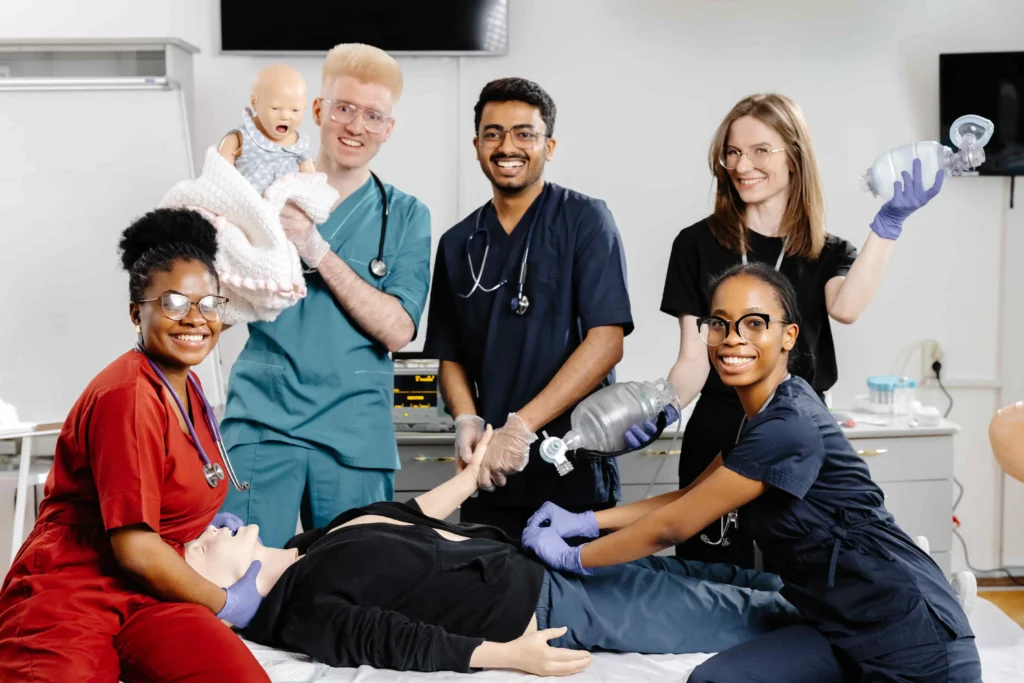
Practical nursing is a profession related to healthcare that concentrates on delivering basic nursing care under the administration of registered nurses (RNs) and doctors. It is also known as practical nursing (PN) . PNs often work in clinics, nursing homes, hospitals, and home health care entities, among additional medical establishments.They provide basic and specialised medical care to a diverse range of patients. To become a practical nurse one usually requires the completion of a formal school program that lasts anywhere from one to two years depending on the region and educational institution. Eligible PNs need to pass a exam in order to be certified to practice after completing their educational requirements. History Of Practical Nursing Practical nursing has a great history that gives consideration to evolving health care and nursing settings. Early nursing practices included mainly women that handled the informal nursing practices in their local settings and homes. It basically includes providing caregiver duties like providing relaxation to the sick, fulfilling daily activities and aiding in hygienic care. During the mid 19th century known as nightingale’s era there was a need for trained nurses who could deliver proper care and have proficient skills. The importance of hygiene, sanitation, and proper nursing education was highlighted in this era. Healthcare needs began to rise in the 19th and early 20th century so requirements for proper healthcare settings were elevated. Basic nursing care under the supervision of registered nurses was the demand. Practical nursing education programs were initiated in the early 20’s. Many women worked as practical nurses during the war era and gained valuable experience in the field. With time practical nursing became a recognized profession. licensing and certification was initiated to make sure that practical nursing fulfils educational standards. There was a growth in the role and responsibilities of practical nurses including providing direct care, carrying out wound care activities, and educating patients and families. Guidelines for becoming a practical nurse If you are planning to work as an PN, there are some requirements that are needed to be completed. After completing your accredited training program you will be eligible to take an exam and obtain your PN depending upon your state or region. Obtaining a license is necessary to work as an PN. The following actions can be taken in order to become an PN: 1- Fulfil requirements for training and education : Your formal school program must be completed. Several technical educational institutions provide PN training courses. It typically takes one to two years according to your state or region requirements . You need to finish your school education or its equivalent, pass the program’s enrollment exam, and enroll in an accredited PN training program. This program provides knowledge on various subjects as well, such as biology, anatomy, physiology, psychology, pharmacology, etc. These programs also provide experience to work in hospitals and clinics. These training courses make sure that students have practical expertise in order to provide a strong basis for nursing practice. 2- Obtain certificates and license: Once your PN training is completed, your certification is awarded. But you still need to complete your license examination to work as an PN. The national licensing test for practical nursing (NCLEX-PN) is supervised by the National Council of State Boards of Nursing (NCSBN). Passing the exam allows you to obtain your license and work as an PN. 3- Think about how to progress in the industry After earning a degree in practical nursing gaining experience in the field and pursuing certifications you can demonstrate your skills and expertise in the field. SIGNIFICANCE: Practical nursing is an important part of providing health care services in a healthcare setting. Assisting registered nurses and doctors: Practical nurses PNs helps registered nurses and doctors in providing quality treatments to the patients in hospitals, nursing homes and other healthcare institutions. PN’s provide primary care to the patients. Therefore, making sure the patient’s safety and comfort is their main task. Attainable care: PN’s provide hands-on care to the patients and they stand as frontliners in providing healthcare services. Focused attention: PN’s spend significant time with their patients and provide individualised care to the patients and build strong relationships with the patients that can bring speedy recovery of the patients. ROLE OF PN’S: PN’s plays significant role in taking care of the patient: Monitoring vital signs Generating assessment on patients Helping patients in doing basic activities Assisting physicians Maintaining patient documentation CAREER OUTLOOK: The career outlook for practical nursing PN’s is generally positive. There are few aspects that influence career outlook for PN’S such as growing population as population ages there is an increase in the demand of more healthcare services. Chronic conditions like diabetes, heart issues are increasing and demand for PN’s is also rising. There are a variety of work environments such as nursing homes, hospitals, different health care settings providing more job opportunities. When considering this profession, PN’s with their interest and goals should also be mindful of physical and emotional responsibility of this role.
