
Best Practices For Providing Compassionate Patient Care

Compassionate care is very important. Patients who feel understood and treated with more efficient care find better results, more satisfaction, and more confidence in their medical treatment providers. Compassionate care recognizes and assists the emotional, psychological, and social needs of patients as well as their physical ones. Active Listening Active listening is one of the foundations of compassionate care. Many patients are nervous and feel anxious because of their health problems. Active listening without interruption allows medical professionals to help patients feel listened to and understood. Best Practices Keep eye contact and have open body language. While patients are speaking, resist glancing at screens or graphs. Concisely restate main ideas to confirm understanding. Recognize clients’ worries to support their emotions. Effective communication Clear and compassionate communication helps to remove the gaps between patients and medical practitioners. It helps to make sure that patients understand their diseases, therapy choices, and care schedules. Best Practices Explain healthcare words using easy-to-understand, non-technical vocabulary. Be honest while reassuring and consoling patients. Allow patients to ask questions and make sure to answer those questions thoughtfully. Use visual aids to make sure of comprehensive understanding. Empathy and emotional support To provide comprehensive care to patients, practical nurses should develop empathy and compassion. Empathy is the ability to better understand a patient’s issue and respond to that issue effectively. It also includes offering support to the patients. These qualities help in developing trust and building strong relationships with the patients. Best practices: Make sure to say kind words to the patients and encourage them. Comfort patients by providing them with emotional support. Understand patients’ feelings and assure them. If appropriate, share relatable stories to show empathy. Communicate and make them feel that you are always there for them. Personalized care Every patient has individual values, preferences, and requirements. Providing personalized treatment to address these unique requirements improves the patient experience. Best Practices: Find out patients’ treatment and interaction choices. Honor personal beliefs as well as cultural and religious ones. Include the patient’s choices about their treatment. Remember little things about a patient’s health and show interest in providing efficient care to them. Providing physical comfort A patient’s well-being can be affected by physical discomfort and pain. Compassionate treatment calls for a quick response to these issues. Best Practices Regularly evaluate and handle pain levels. Provide supportive tools, including pillows, blankets, and right seating. Be kind during tests and procedures. Discuss what one experiences when undergoing therapies for anxiety relief. Respect for patient dignity Preserving a patient’s dignity entails always showing them respect and acknowledging their inherent value. Best practices: Provide privacy during examinations and discussions regarding patient health. Address patients by their preferred titles and names. Make sure that the patient feels comfortable and at ease with you during examinations and discussions. Keep ethical standards and preserve confidentiality. Supporting families and caregivers Family members and caregivers are very important for patients’ recovery and improved quality of life. Including them in the care process and offering support can enhance the overall care experience. Best Practices: Make sure families know and help to make treatment decisions. Offer information and materials to enable them to assist the patient. Offer counseling and emotional support as appropriate. Appreciate their efforts for the improvement of the patient’s health. Building trust Trust is an important factor in the patient-provider relationship. Patients who lack trust may be less inclined to follow treatment advice or reveal essential information. Best Practices Be open about disease diagnosis and therapy for the patient. Make sure that you fulfill your commitments. Make sure you are consistent in providing high-quality care to the patients. Admit your mistake and avoid negligence in providing comprehensive care to the patients. Mindfulness and self-awareness Healthcare professionals who use mindfulness and self-awareness are very important to show empathy to patients. Having presence and awareness of one’s own prejudices and feelings supports a good patient-provider interaction. Best practices: Regularly meditate or take deep breaths to relax and focus. Think about your prejudices and try to get beyond them. Stay connected to the patients and pay attention to every detail. Always ask for support from colleagues to provide better and improved care to the patients. Conclusion Compassionate patient treatment calls for empathy, attention, good communication, and respect for personal needs. Using these best practices allows medical professionals to establish a nurturing and healing atmosphere that encourages excellent patient experiences and results. Compassionate care benefits doctors as much as patients and gives a more rewarding and meaningful professional experience.
Essential Skills Every Nurse Should Have

Nursing is the most important and challenging occupation in the medical field. Nurses usually act as a link among patients, families, and other healthcare providers. Nurses have a variety of abilities that go beyond clinical knowledge. Patient assessment and monitoring Patient assessment is the basis of providing quality care to the patient. Patient assessment includes assessing the patient’s physical health along with collecting data related to the patient’s psychological and emotional health. Practical nurses should know how to monitor patients, take vital signs, and document issues. Patient assessment should be done effectively to respond to every health condition of the patient timely and rightly. Nurses should assess a patient’s health effectively and document their collected data. Maintaining legal compliance and continuity of care depends on accurate and comprehensive documentation. Wound care and infection control Proper wound care is essential and highly important for promoting healing and preventing infections. Practical nurses should know how to clean, dress, and monitor wounds safely and effectively. Nurses also gain knowledge in infection control practices, such as proper hand hygiene, use of personal protective equipment (PPE), and understanding infection transmission routes. Administering medications and use of medical equipment Administering medication is the most significant task in practical nursing to provide safe treatment to the patients. Practical nurses should know about the patient’s condition and they should also know about drug and medication dosage, dosage calculations, and drug interactions. Administering medications should be done safely. Practical nurses should know how to use medical equipment. Practical nurses should know how to operate medical tools such as blood glucose monitors, infusion pumps, and electrocardiogram (ECG) machines. Practical nurses should know the effective use of medical equipment in providing quality care and treatments to patients. Empathy and compassion To provide comprehensive care to patients, practical nurses should develop empathy and compassion. Practical nurses should know how to develop these qualities in order to better understand and respond to patients’ health issues. It also includes offering support to the patients. These qualities help in developing trust and building strong relationships with the patients. Communication Effective communication skills are very essential while dealing with the patients. While working as a practical nurse, you may interact with patients on a daily basis, and their families. So good communication skills are necessary. To understand patient needs, and work with your team, you must have strong communication skills. Practical nurses should attend workshops to gain expertise in effective communication. Practical nurses should teach and educate patients about their health conditions, treatments, and lifestyle modifications. Practical nurses are trained in a way to provide clear, accurate, and personalized information to patients and their families. This involves teaching about disease prevention, medication management, and self-care techniques, which empowers patients to take an active role in their health. Critical thinking and problem-solving Practical nurses develop critical thinking skills based on their assessments and observations. When practical nurses develop critical thinking and problem-solving skills, they are able to make informed decisions. Time management is very important in providing effective and timely care to patients. Practical nurses should be able to perform multiple tasks on time. Time management skills are very significant in providing timely and effective care without being stressed. Adaptability and resilience Practical nurses should be prepared emotionally and physically to provide effective and quality care to patients. They may need to work for long hours in healthcare settings, dealing with critical situations of the patients. That’s why they should be emotionally and physically strong. Practical nurses should also develop effective strategies to manage challenges and work effectively. They should always focus on their mental and physical health and maintain a healthy diet and lifestyle to keep their mind and body fresh. Practical nurses should practice yoga and meditation to relieve stress and engage in stress management techniques. Lifelong learning and professional development With the advancements in technology and practices, practical nurses need to focus on continuous learning. Engaging in continuous learning to keep up with the developments in the field is very important for the future and career development of practical nurses. Practical nurses should attend workshops, seminars, and conferences to keep up with the most recent advancements in healthcare. Talking with peers and professionals is another way to obtain a variety of viewpoints and insights. Conclusion Nursing is an ever-changing and multi-faceted profession. Nurses have to constantly improve their skills from clinical knowledge to emotional intelligence to fulfill the changing demands of patients and the health system. Developing these critical attributes will enable nurses to deliver excellent care, create good relationships, and have a long-term effect on the people they assist.
Practical Nursing Pathways

Practical nursing is a critical and rewarding profession that gives essential care to patients in many healthcare environments. Depending on the state, practical nurses—known as Practical Nurses (PNs) or Vocational Nurses (VNs)—are essential for providing first-hand care and assisting registered nurses (RNs) and doctors. Educational pathways to become an PN. High school diploma or GED In order to enroll in any PN program, all applicants should possess at least a high school certificate or any equivalent General Educational Development (GED) credentials. Such a prerequisite education is aimed at fulfilling the PN program requirements in that it offers basic skills essential for proper functioning at an academic level, including English, math, and science, among others. Completion of an approved practical nursing program The most fundamental criterion for pursuing a career in PN is to successfully finish a government-recognized, practical nursing program. This program is usually found in community colleges and vocational and technical institutions. Such programs often take approximately 12 to 18 months to complete, leading to a diploma or certificate. Program curriculum The curriculum of practical nursing programs includes both theoretical classes and hands-on experience. Nursing Fundamentals: Introduction to basic nursing skills, ethics, and legal responsibilities in healthcare. Anatomy and Physiology: related to the study of internal structure and functions of the human body. Pharmacology: Basics of medications, dosage calculations, and safe administration techniques. Medical-Surgical Nursing: Training on handling common medical and surgical conditions in patients. Pediatric and Geriatric Nursing: Focused training on the care of children and elderly patients. Nutrition: Understanding the importance of proper nutrition in patient care and recovery. Mental Health Nursing: Basics of psychological care for patients with mental health conditions. Clinical practice or hands-on training In addition to theory delivered in classrooms, all state-approved PN courses provide practical training, which is also referred to as a practicum. The practicum involves hands-on work with patients in hospitals, clinics, and long-term care facilities. Clinical practice experience helps students gain different skills such as: Vital signs monitoring Wound care and dressing changes Administration of medications Patient hygiene assistance Basic patient assessments Pass the National Council Licensure Examination for Practical Nurses (NCLEX-PN). The National Council Licensure Examination for Practical Nurses (NCLEX-PN) is the exam necessary to acquire a license as a practical nurse (PN) or vocational nurse (LVN). Every nurse must pass this exam. It ensures that the candidates have the competencies required for safe nursing practices. State licensing requirements In every state, there is a board of nursing that oversees the licensing processes for practical nurses. Following the completion of their studies and passing the NCLEX-PN test, graduates are required to seek licensure from the relevant board in their respective states. Career opportunities for practical nurses Working in hospitals After completing a practical nursing program, most graduates will likely consider working in a hospital. In a hospital, PNs are expected to work with RNs and doctors in caring for the patients. Hospitals differ in the responsibilities that they assign to their PNs. However, PNs in a hospital setting can be expected to perform functions such as taking patients` vital signs, helping with basic care of the patient, giving medications, and working on the patient’s care with other nurses. Employment in nursing homes and long-term facilities PNs are mostly employed by nursing homes and long-term care facilities. Practical nurses in these settings continue to care for geriatric patients or patients with chronic illnesses who need assistance every day. Tasks range from aiding in hygienic operations, administering drugs, dressing wounds, or working/effective communication with other people in a medical setting to promote the health of the residents. Home healthcare Home health practice is quite simple for those who are used to the one-on-one mode of care. In this case, home health PNs make visits to the residences of the patients and offer the needed care, most commonly to nursing cases. Therefore, responsibilities help a patient with medication, carry out basic checks on the patient’s health, take care of the patient’s tights, and educate the patient and relatives on how the care would be. Outpatient clinics and physician offices Outpatient clinics and physician offices also hire PNs who help in patient care, usually in a more predictable, less hospital work-related setting. Duties of PNs in these types of positions can include, but are not limited to, taking patient histories, helping the patient prepare for an examination, injecting medications, drawing blood samples, and teaching the patient. Correctional facility nursing A career as a licensed practical nurse in a correctional facility can also prove to be an extremely demanding yet rewarding career for those seeking a challenging yet rewarding occupation. In most PN correctional facilities, basic health care services include medical assessments, administering pills by prescriptions, and emergency services to inmates. This is mainly because the majority of such establishments need a high amount of adaptability and safety awareness. Conclusion Practical nursing is a rewarding and versatile career path with many opportunities for advancement and growth. With educational and clinical training backgrounds, practical nurses are important team members in healthcare. With the ever-changing landscape of healthcare, PNs will continue to be an important link in the healthcare chain to provide optimal care and improve patient outcomes. For those who want to make a difference in other people’s lives, practical nursing pathways will provide an opportunity for this rewarding and promising journey.
The Art And Science Of Practical Nursing

Practical nursing combines art and science and requires scientific techniques and artful application in caring. It involves the application of some clinical knowledge while establishing a caring nurse-patient relationship aimed at healing and well-being. Understanding the science of practical nursing The science behind practical nursing is built on a fundamental platform of medical science and art and technical nursing. Practical nurses are expected to have knowledge related to a variety of clinical activities and their principles in health care. Clinical knowledge and technical skills Practical nurses use these skills to carry out several essential medical procedures and monitor the health status of patients. Some key clinical competencies are as follows: Vital signs: Ability to accurately measure, interpret, and communicate the following vital signs: blood pressure, temperature, pulse, and respiratory rate. Medication management: The ability to manage medications includes knowledge of pharmacology, dosage calculations, and safe administration of drugs. Wound care: Proper techniques for cleansing, dressing, and monitoring wounds to prevent infection. Patient assessment: Patient assessment entails the comprehensive assessment of a patient to determine any change in his or her condition. Infection control: Follow hygiene practices to limit infection spread. Evidence-based practice The science of nursing is underpinned by various evidence-based practices so as to guarantee that patients receive the best possible care. Practical nurses, therefore, need to constantly stay abreast of recent research and clinical guidelines to make the treatments effective. Critical thinking and problem-solving In healthcare situations, some factors may be unpredictable, that’s why practical nurses need to be skilled and competent in critical thinking. This means that they can do the following: Assess the patient’s condition. Identify possible complications. Implement any of the relevant interventions. Technology and innovation Technology integration has brought huge changes in practical nursing. PNs use EHRs to input patient data, record treatments, and communicate with the members of the healthcare team. They must know how to operate equipment such as intravenous pumps and monitors to render safe and competent care. The art of practical nursing Practical nursing includes empathy, communication, cultural sensitivity, and initiative. Creating a supportive and healing setting relies on these personal skills. Empathy and compassion. Practical nursing emphasizes empathy for the health and well-being of patients. PNs frequently interact with scared, weak, or suffering people. When patients feel they are valued and understood, trust develops between patient and nurse, and in this way, the well-being of patients is promoted. Efficient communication Practical nursing depends on clear and empathic communication. PNs need to communicate important information to patients, families, and the medical staff. For patient education and conscious decision-making, active listening and the capacity to present medical knowledge in easy language are absolutely necessary. Development of trusting relationships Understanding the needs, preferences, and worries of patients helps PNs deliver individualized treatment that honors personal autonomy and dignity. Cultural competence PNs have to be aware of their patients’ cultural backgrounds and opinions. Respect for variances, adjustment of medical techniques, and culturally sensitive communication are all part of cultural competence. Emotional resilience and self-care Practical nursing can be very demanding on an emotional level. PNs often face stressful conditions, so maintaining emotional resilience and practicing self-care is vital for sustaining mental well-being and giving constant, empathetic care. The impact of practical nursing Practical nurses’ contributions are very important in medical treatment. Improving medical access, supporting health education, and defending patients’ well-being all depend greatly upon them. Their presence in clinics, long-term care homes, hospitals, and community settings ensures compassionate and skilled treatment for patients. Enhancing patient outcomes When PNs give precise and timely care, the chances of fast recovery increase. Their ability to recognize changes in patient conditions and communicate concerns to the healthcare team prevents complications and improves recovery rates. Supporting families and caregivers Families and caregivers often depend on PNs for information and support. PNs assist families by addressing their concerns and also discussing the complexities of healthcare treatment. Promoting health and wellness Beyond clinical treatment, PNs are essential for disease prevention and health promotion. Patients are taught about preventive care approaches, medication management, and healthy lifestyle options. Conclusion Practical nursing is a profession in which technical skills and sincere empathy are needed, as the art and science of nursing are interlinked. Many healthcare settings depend on PNs for core treatment that enhances the quality of life of patients and their families. Practical nurses may have a significant influence on the health and well-being of their surroundings by adopting continuous learning, cultural competence, and patient-centered care.
A Comprehensive Guide To Patient Care

Patient care covers a broad spectrum of activities aimed at advocating health, preventing illness, and guaranteeing patient well-being. Great patient care not only focuses on respect for personal needs but also on empathy, communication, and respect for the individuals Patient care is the help and support medical personnel give to diagnose, treat, and manage a patient’s medical condition. It offers mental health treatment, palliative care, long-term disease management, acute care, and preventive care. Good patient care goes beyond therapy by creating a trusting link between patients and medical personnel. The role of practical nurses in patient care Practical nurses are highly valued in healthcare environments, including hospitals, nursing homes, outpatient clinics, and private homes. Their many duties include providing bedside care, dispensing drugs, tracking critical signs, and helping RNs and doctors with difficult operations. Patients and their families typically first encounter practical nurses. To interact well with patients, practical nurses need to be empathic, thorough, and knowledgeable. Core components of patient care in practical nursing Effective communication Effective communication is needed for developing confidence and guaranteeing adequate patient treatment. A practical nurse must: Pay close attention to symptoms and patients’ worries. Clearly explain treatments, medicines, and care plans in easy language. Keep accurate, thorough notes of patient care and contacts. Communicate well with other healthcare professionals to guarantee a flawless care experience. Clinical skills and knowledge Practical nurses should have a solid basis in clinical skills to offer first-class patient care. Essential skills are: Measure vital signs including body temperature, blood pressure, pulse, and breathing rate precisely and interpret them. They should know about proper medication administration. They must understand how to give drugs safely and know their possible interactions. To avoid infection, wounds require thorough cleaning, dressing, and observation. They should know about patient evaluation and find changes in patient condition and relay them to the medical staff. Patient safety Practical nurses’ top priority is to guarantee patient safety. This refers to: Following typical hygiene procedures to lower the chances of infection. To help patients move and keep the surroundings free of debris. Make sure of drug orders, amounts, and times of administration. Whether errors or near-misses occur many times or not, better patient safety standards will result from their quick reporting. Emotional and psychological support Patients usually undergo anxiety and stress throughout their medical path. Practical nurses provide great emotional support by helping with: Building trust and establishing a rapport with patients and their families. Active listening to the concerns patients have. Showing empathy to display sympathy and knowledge of patients’ experiences. Empower patients by providing knowledge about their condition and care plan. Best practices of patient care Cultivate cultural understanding One can improve communication and attentive treatment by appreciating and knowing the cultural backgrounds of patients. Practical nurses should: Recognize cultural expectations concerning communication and therapies. Offer treatment coincident with patients’ customs and ideas. Keep updated on the training level Maintaining competence in patient care requires continuing education. Practical nurses should: Join training programs and workshops. Stay updated about progress in medical technology and therapies. Develop self-care skills Nursing’s demanding profession can cause burnout. Nurses should: Take regular breaks. Ask coworkers and managers for help. Engage in stress-management exercises. Ethical and legal considerations in patient care Practical nurses’ adherence to legal and moral guidelines including: Keep patients’ personal information according to HIPAA standards and respect their privacy. Provide assurance that therapies will be correctly understood and approved. Advocate for patients by acting in their best interest and raising their voice if their care is substandard. Challenges in patient care and how to overcome them Communication barriers Hearing loss can interfere with communication as can language differences. Solutions to these obstacles include: Translation facilities offer benefits in communication. Writing down information for patients with hearing impairments. Time restriction The fast-moving nature of healthcare can make it difficult to devote enough time to every patient. Practical nurses can manage time by: Ranking chores according to their need of use. When feasible, delegate non-clinical tasks. Psychological strain It can be difficult sometimes to take care of patients suffering from chronic diseases. Practical nurses need to: Seek guidance from peers or professional help when necessary. Balance your work life and personal life in a healthy manner. Conclusion Good practical nursing patient care comprises emotional support, effective communication, clinical techniques, and patient safety precautions. Staying knowledgeable, honing empathy, and following ethical standards enable practical nurses to deliver first-class care that greatly affects their patient’s lives.
The Day InThe Life Of A Practical Nurse Roles And Responsibilities

Practical nurses, often called practical nurses (PNs) or vocational nurses (VNs), play a vital role in the healthcare system. They provide primary care to patients, working under the direction of registered nurses (RNs) and physicians. Their work is demanding and rewarding, requiring technical skills, empathy, and the ability to adapt. Morning routine setting the tone for the day Practical nurses usually begin their day early, working in hospitals, nursing homes, or long-term settings. The morning shift usually begins with receiving a report from the previous shift. In this handover, PNs are aware of patient condition and treatment plan changes for patients as well as any aspects that may require immediate attention. This is usually associated with going through patient charts and preparing for scheduled treatments, including taking medicines. For example, an PN may take the blood sugar level of a diabetic patient and inject insulin in time for breakfast. Organization and proper time management help at this point in ensuring a smooth workflow. Providing direct patient care The primary role of an PN is direct patient care. Activities such as bathing and dressing patients, and measuring and recording patient’s vital signs comprise a few of the many patient-related duties that an PN carries out. PNs work closely with patients who depend on someone for everything, from moving to eating and attending to aspects of personal hygiene, ensuring that dignity and comfort are maintained. PN duties also include the administration of wound care, dressing changes, and catheter insertions. For example, in the post-surgical unit, an PN cleans and dresses the surgical incisions to avoid infection and promote healing. Each task requires an eye for distinct detail so that patients receive the highest standard of care. Administering medications Administering medication is the most significant task in practical nursing. Practical nurses should know about the patient’s issue rightly, and then they should also know about drug and medication dosage, dosage calculations, and drug interactions. Administering medications should be done safely. Medication administration is also one of the significant responsibilities that fall under an PN’s responsibility. The practical nurse learns to administer oral, topical, and injectable drugs safely by the prescribed dose and schedule and observe for side effects or reactions from the medication. Supporting emotional and mental well-being Beyond the physical care of patients, PNs play an important role in supporting the psychological and mental health of patients. Many patients experience anxiety, depression, or being overwhelmed, particularly those in long-term care or suffering from chronic illnesses. A practical nurse lends a listening ear, offers encouragement, and in some cases acts as a connecting link between a patient and the family. For example, the PN at a pediatric unit might comfort a petrified child before surgery through both verbal assurances and diversion activities such as storytelling or playing games with the child. Similarly, an PN can comfort an aged patient who has feelings of isolation by setting up a video call with the relatives. Staying organized Practical nurses assist patients during meal times by ensuring adherence to dietary restrictions and monitoring their food intake. Practical nurses also give actual assistance with feeding patients who need it. The practical nurse keeps an extensive record concerning the care of a patient, for instance, vital signs, medication administration, as well as any changes to their condition. Proper documentation guarantees continuity of care as well as legal and regulatory compliance. Collaboration with the healthcare team Collaboration is an essential part of a practical nurse’s role. Thus, PNs directly work with RNs, physicians, and other healthcare professionals to coordinate care while participating in team meetings, sharing their observations with others regarding patients, and engaging in developing care plans. Good communication is very important for seamless transition of care among all providers to give a patient comprehensive, individualized care. The challenges of being a practical nurse The physical demands of the job, such as lifting patients and standing for long periods of time, can be difficult. Emotional challenges, such as dealing with a patient’s pain or illness, require a lot of patience and coping skills. In addition, practicing nurses must navigate the complexities of the healthcare system, including tight schedules and staff shortages. Despite these challenges, nursing careers are rewarding. The ability to improve patients’ lives, build meaningful relationships, and contribute to the healthcare team makes this work very satisfying. The impact of practical nurses on healthcare Practical nurses provide direct patient care, support the work of registered nurses and physicians, and ensure that healthcare facilities operate efficiently. In settings such as hospitals, nursing homes, and clinics, nurse practitioners are the primary point of contact for patients, making their work critical to patient satisfaction and outcomes. Additionally, nurses play an important role in addressing healthcare disparities. By spreading empathy and cultural awareness, they help close the gap in access to quality care for vulnerable populations. Conclusion A day in the life of a working nurse is difficult, challenging, but also rewarding. From administering medications and monitoring patients to providing emotional support and educating families, nurses play a central role in patient care. Their dedication, expertise, and compassion make them an integral part of the healthcare system.As the demand for healthcare services increases, the role of the nurse practitioner becomes even more important. By understanding the daily work and impact of these professionals, we can better recognize their contributions and support their important work.
Top skills you’ll learn in a practical nursing program

Practical nursing programs are very significant in providing successful and rewarding careers to practical nurses. These practical nursing programs are typically designed to provide skills and competencies to work as a practical nurse. These programs offer you numerous opportunities for advancement in your career. A practical nursing program should include every important aspect of working as an PN or RN. Academic coursework and hands-on training provided in these programs will help nurses in providing efficient and quality care to patients. The top skills you’ll learn in a practical nursing program are: Patient assessment and monitoring Patient assessment is the foundation of providing quality care to the patient. Patient assessment includes assessing the patient’s physical health along with collecting data related to the patient’s psychological and emotional health. Practical nurses learn how to monitor patients, take vital signs, and document issues. Patient assessment should be done effectively to respond to every health condition of the patient timely and rightly. During practical nursing programs, students learn how to: Assess symptoms Use diagnostic tools Monitor chronic conditions Clinical skills Clinical nursing skills are very important for practical nurses. Practical nursing programs provide clinical nursing skills that help nurses in providing direct patient care. Practical nurses should know about drug and medication dosage, dosage calculations, and drug interactions. Administering medication is the most significant task in practical nursing. Practical nurses should know about the patient’s issue rightly, and then they should also know about drug and medication dosage, dosage calculations, and drug interactions. Administering medications should be done safely. Proper wound care is important for promoting healing and preventing infections. Practical nursing programs teach students to clean, dress, and monitor wounds safely and effectively. Students also gain knowledge in infection control practices, such as proper hand hygiene, the use of personal protective equipment (PPE), and an understanding of infection transmission routes. Communication and interpersonal skills The practical nursing program includes different courses in communication and different workshops to gain expertise in effective communication. Effective communication skills are very essential while dealing with the patients. While working as a practical nurse, you may interact with patients daily and their families. So good communication skills are necessary. To understand patient needs and work with your team, you must have strong communication skills. To provide comprehensive care to patients, practical nurses should develop empathy and compassion. It also includes offering support to the patients. These qualities help in developing trust and building strong relationships with the patients. Technical skills Practical nurses should know how to use medical equipment. In practical nursing programs, they learn how to operate medical tools such as blood glucose monitors, infusion pumps, and electrocardiogram (ECG) machines. You should know the effective use of this equipment in providing quality care and treatments to the patients. Documentation and record-keeping lead to effective improvement in the patient’s health. Nurses should assess a patient’s health effectively and then document their collected data. Maintaining legal compliance and maintaining continuity of care depend on accurate and comprehensive documentation. Critical thinking and problem-solving A practical nursing program helps nurses develop critical thinking skills based on their assessments and observations. When students develop critical thinking and problem-solving skills, they can make informed decisions. Practical nursing programs allow nurses to complete several duties on schedule. Having good time management skills is essential in providing stress-free, timely service to patients. A practical nursing program teaches students how to prioritize tasks, manage multiple patients, and respond to emergencies effectively. Time management and organization skills include: Task prioritization Delegation Documentation Health promotion and education Practical nursing programs also emphasize the importance of health promotion. Students learn to develop and implement strategies to encourage healthy behaviors and prevent illness. This includes conducting health screenings, counseling on nutrition and exercise, and promoting vaccination and preventive care. Practical nurses should teach and educate patients about their health conditions, treatments, and lifestyle modifications. In practical nursing programs, students are trained in a way to provide clear, accurate, and personalized information to patients and their families. This involves teaching about disease prevention, medication management, and self-care techniques, which empowers patients to take an active role in their health. Adaptability Nurses should be prepared emotionally and physically to meet the needs of the practical nursing program. They may need to work for long hours in healthcare settings, dealing with critical situations of the patients. That’s why they should be emotionally and physically strong. Practical nurses should also develop effective strategies to manage these challenges and work effectively. They should always focus on their mental and physical health and maintain a healthy diet and lifestyle to keep their mind and body fresh. Practice yoga and meditation to relieve stress and take part in stress management techniques. Conclusion Practical nursing programs are designed to make sure that aspiring practical nurses are equipped with every essential skill to provide effective and comprehensive care to patients. Learning different skills will allow practical nurses to provide efficient services to patients. Engaging in continuous learning to keep up with the developments in the field is very important for the future and career development of practical nurses.
What is a Practical Nursing Certificate?
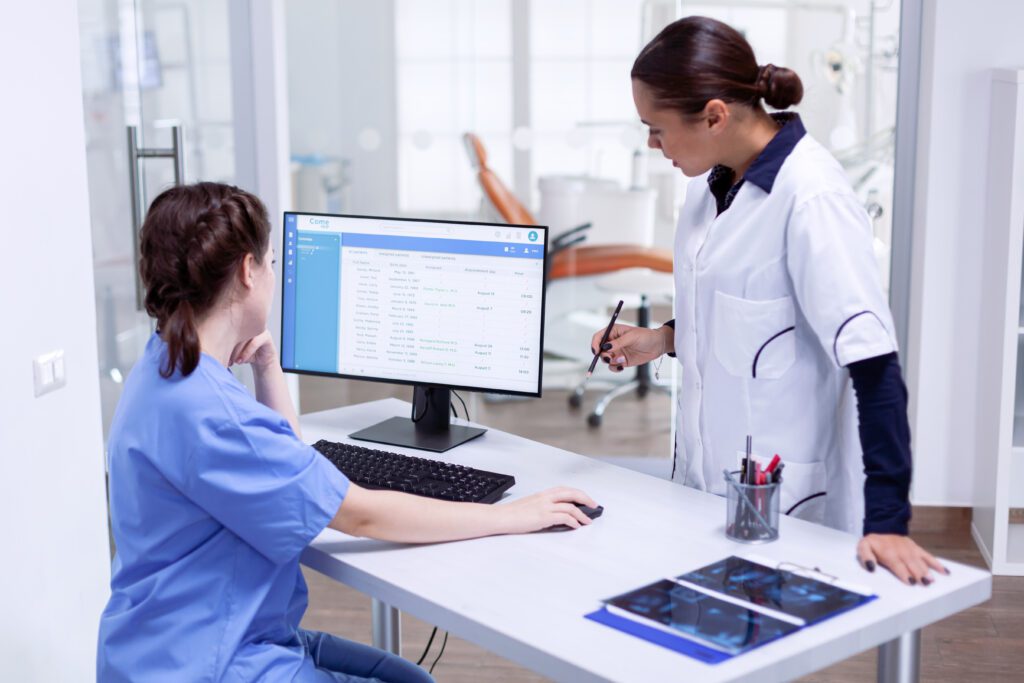
A practical nursing certificate is a credential of the academic and professional type that qualifies one for licensing as a practical nurse (PN). This certification is based on the completion of a state-approved practical nursing program that provides the knowledge and training in skills to allow for the provision of basic nursing care supervised by registered nurses (RNs) and physicians. The main emphasis of a practical nursing course is on basic nursing principles in clinical practice and practical experience to prepare graduates to offer quality service in different healthcare settings. Overview of a practical nursing program Practical nursing is a rewarding and important branch of nursing practice that balances personal development with the opportunity to impact human lives through patient care. Practical nursing programs prepare students to become practical nurses (PNs), who may also be referred to as vocational nurses (VNs) in some states. PNs work under the supervision of registered nurses (RNs) or doctors. The responsibilities of an PN may include: Monitoring patients’ vital signs. Administering medications. Assisting patients with activities of daily living, such as bathing and dressing. Performing dressing changes and wound care. Reporting patients’ progress to RNs and physicians. Practical nursing requires a formal educational pathway and a time-consuming licensing process due to the responsibilities and skills required in this role. Core subjects covered Anatomy and physiology: The dynamics and structure of human anatomy help students understand the biological systems and processes that affect health. Pharmacology: Teaches administering and calculating the dosage of medications and their effects on the body. Medical-surgical nursing: Adult patients suffer from numerous medical conditions, and the emphasis will be on the management of diseases as well as surgical recovery. Pediatric and geriatric nursing: This emphasizes specialized training on how to take care of special populations like children and older persons. Mental health nursing: Psychological aspects of patient care, such as mental health assessment and interventions, are the focus areas of mental health nursing. Clinical practice: Hands-on training and exposure to diverse healthcare settings will allow nurses to perform confidently in clinical settings. As the healthcare industry develops, clinical experience plays an important role in providing efficient care to patients. Nurses can also fulfill responsibilities and make significant improvements in the healthcare system. Admission requirements Admission to a practical nursing certificate program typically requires: A high school diploma or GED. Passing scores on entrance exams such as the TEAS (Test of Essential Academic Skills). Background checks and immunization records. CPR certification (in some programs). Licensing and certification Once your PN training is completed, your certification is awarded. But you still need to complete your license examination to work as an PN. The national licensing test for practical nursing (NCLEX-PN) is supervised by the National Council of State Boards of Nursing (NCSBN). Passing the exam allows you to obtain your license and work as an PN. Career opportunities for practical nurses Practical nurses with licensure have been in demand for short durations, especially in long-term care settings, among rehabilitation centers, within home healthcare, and within outpatient clinics. The job responsibilities are: Monitoring health and vital sign recording of patients Giving medications and injections Helping patients in performing their daily activities, such as bathing and dressing Collecting samples for laboratory testing Educating patients and their relatives about care plans and treatments. Benefits of a practical nursing certificate Short duration program: Since this is a short course, it allows one to graduate early and step into the busy workforce. Affordability: Practical nursing programs are now lesser in cost compared to associate or bachelor degrees in nursing. High demand: There is a constant demand for practical nurses because the growing and underdeveloped population will need more healthcare. Career advancement options: PNs can pursue further education to become RNs or specialize in pediatric or geriatric nursing. Flexible work settings: PNs spend their working hours in hospitals, clinics, nursing homes, schools, and private homes. Challenges of becoming an PN Certification in practical nursing can prove very helpful, but it also has its disadvantages: Physical demands: PNs usually spend long hours standing and may have to move and lift patients. Emotional stress: The entire process of dealing with sick or terminally ill patients and their families can be emotionally draining. Limited scope of practice: PNs cannot perform a number of procedures or functions and must always have the RNs or doctors supervising them. Conclusion The Practical Nursing Certificate is a good foundation for candidates who want to be a nurse relatively quickly and cheaply. It offers the foundational knowledge and skills necessary to deliver compassionate, competent care to patients. For all these reasons- job stability, career advancement, or a rewarding role in health– one should consider practical nursing certificates. By selecting the right program, aspiring PNs can prepare for the NCLEX-PN and, thus, have an exciting and productive nursing profession.
How Long Is A Practical Nursing Program?

There are so many people looking to get into nursing as a career, and they may be wondering how long it takes to complete a practical nursing program. This program is the fastest route to becoming a nurse. It includes education and hands-on practice needed to become a practical nurse (PN). Various factors determine how long a practical nursing program will last; for example, whether one studies full-time or part-time, the sort of program that one takes, and the state’s eligibility criteria. When studied full-time, average lengths of practical nursing programs commonly range between 12 and 18 months. Students who opt for part-time might find themselves taking around 18 to 24 months to complete the program and clinical training. There are courses that can be taken in 10 to 12 months at the most for learning-pursuing students who can manage more load and thus are generally referred to as accelerated programs. Program length based on study format Full-time programs: These programs last for about 12 to 18 months and are generally very structured. They’re designed mainly for students who can devote their entire time to studies and clinical training. Part-time programs: These programs take 18 to 24 months and are meant for those who cannot commit their time more fully because of work and family commitments. Accelerated programs: Accelerated practical nursing programs can be completed in as little as 10-12 months but require a very intense and fast-paced schedule. Factors influencing program length Mode of study In-person learning: It may be associated with a conventional academic schedule, with scheduled breaks through fixed academic calendars. Online or hybrid learning: Online and hybrid programs are available for students to complete the coursework at their pace. However, the clinical training must still take place face to face. Prerequisites and admission requirements Some programs require applicants to take prerequisite courses in anatomy, biology, or math before admission. If a student needs to complete these courses before enrolling in the nursing program, it can extend the overall time to graduation. State licensing requirements State licensing requirements vary from state to state. Some states mandate extra training hours or examinations, which can lengthen the program duration. Each state has its own specific rules and regulations for the completion of practical nursing programs. The licensure and certification requirements of different practical nursing programs can also vary. These specific regulations can influence the length of the program and the type of training required. Students should consider the rules and regulations of different states before selecting a practical nursing program. Program accreditation Most accredited programs will be held to a higher educational standard that includes additional coursework or clinical hours. Student commitment The pace at which students progress through the program can also impact the duration required. Those who need to retake courses or take breaks will naturally take longer. Curriculum and coursework The curriculum in a practical nursing program typically combines theoretical knowledge with hands-on practice. The coursework includes: Core subjects Anatomy and physiology Nutrition Pharmacology Medical-surgical nursing Pediatric and geriatric nursing Mental health nursing Clinical training Practical nursing programs include clinical rotations in hospitals, nursing homes, and community health centers. These places expose students to the real-time performance of their class lectures, as clinical rotations allow students to experience performing their theoretical knowledge with supervision. Clinical experience is a significant component of practical nursing programs. Different skills, including critical thinking, and problem solving skills, are acquired by the nurses through clinical experiences. Practical nursing students will gain a deeper understanding of patient care. Hands-on training and exposure to diverse healthcare settings will allow nurses to perform confidently in clinical settings. As the healthcare industry develops, clinical experience plays an important role in providing efficient care to patients. Nurses can also fulfill responsibilities and make significant improvements in the healthcare system. Skills development Students develop skills that include taking vital signs, administering medications, wound care, and assisting patients with activities of daily living. Practical nursing programs are designed to make sure that aspiring practical nurses are equipped with every essential skill to provide effective and comprehensive care to patients. Learning different skills will allow practical nurses to provide efficient services to the patients. Practical nursing programs also prepare students to face upcoming challenges in the path of their career. Licensing and examination To be prepared for the practical nursing program, the graduates must have completed the NCLEX-PN (National Council Licensure Examination for Practical Nurses) to be start practice. Furthermore, preparing for and scheduling the exam may require additional time varying from one to three months. Conclusion Practical nursing programs typically last anywhere from 12 to 18 months but may differ according to program type as well as state requirements. Full-time, part-time, and accelerated program schedules are flexible enough for students to find their best pathways for completing a practical nursing program. This will always be a robust and rewarding career opportunity and a stepping stone to higher opportunities in nursing. Whether starting your healthcare career or thinking about making a career change, practical nursing can be your ticket.
What Is The Difference Between Practical Nursing And Registered Nursing?

Nursing plays a vital role in the healthcare system and offers various opportunities for individuals interested in patient care. Two of the most common nursing careers are Practical Nursing (PN) and Registered Nursing (RN). Although both practical and registered nurses work in patient care, their roles are distinct and differ significantly in terms of education and practice. Understanding these differences can be valuable for those considering a career in nursing or anyone seeking to learn more about the field. Educational requirements Practical nursing Practical Nurses, also known as Practical Nurses (PNs), are referred to as Vocational Nurses (VNs). These nurses complete training through a Practical Nursing program, typically accredited by community colleges, technical institutes, and vocational schools, which usually takes about 12 to 18 months to complete. The program provides students with essential nursing skills, basic patient care, and foundational knowledge in medical science. Upon graduation, individuals must pass the National Council Licensure Examination for Practical Nurses (NCLEX-PN) to obtain state licensure and practice as an PN or VN. Registered Nurse Registered nurses can complete an Associate Degree in Nursing, which normally takes about 2 years, or get a Bachelor’s degree in nursing (BSN) as a 4 years degree program. The BSN pathway has broader subjects like public health, leadership, etc., in the curriculum. After that, he/she must pass the NCLEX-RN patient license examination to obtain the nursing license. The additional educational requirement is in place due to the broad-based responsibilities for an RN’s role and preparation. Scope of practice Practical nursing Some duties of the PNs include the following: Monitor vital signs, blood pressure, and temperature. Assist patients in daily activities such as bathing, dressing, and eating. They can administer basic medications, but in some states, IV medication administration is limited. Sample collection for laboratory tests. Maintains record files of patients and reports any changes in the patient’s condition to RNs or physicians. Registered nurse The scope of practice of RNs is broader, allowing them to carry out more advanced medical procedures as well as critical decisions about patient care. Their duties include the following: Performing assessments and developing nursing care plans. Administering medication and treatments, including IV therapy. Undertaking diagnostic tests and interpretations of results. Educating patients and their families regarding health conditions and post-discharge care. Supervises PNs and nursing assistants. Coordinate care among physicians and other health care providers. Workplace settings Practical nursing PNs work in long-term care facilities, rehabilitation centers, and home healthcare agencies. These provide environments that require continuous patient care and support, which is the essence of PN duties. Although some PNs are employed within hospitals, their work in such facilities has been usually more limited compared to RNs. Registered nurses RNs have the flexibility to find jobs in a variety of places: hospitals, outpatient clinics, schools, public health organizations, and research institutions. Most of the time, they have assignments in acute care environments such as emergency rooms, intensive care units, and operating rooms where advanced skills and decision-making abilities are invaluable. RNs also often work in public health with the general public, educating them and advocating for better healthcare practices. Career advancement opportunities Practical nurses The career advancement prospects for PNs are typically through experience and certifications like IV therapy or gerontology, although opportunities for specialization and leadership roles are not many. However, many PNs transition from PN to an RN role by enrolling in an PN-to-RN bridge program that builds upon their existing skills and knowledge. Registered nurses RNs have substantial career mobility and specialization opportunities. As they advance their education and certifications, RNs can function as advanced practice registered nurses (APRNs), such as nurse practitioners (NPs), certified nurse midwives (CNMs), or clinical nurse specialists (CNSs). Others may opt for managerial roles within health systems, such as nurse managers or directors, while some may choose to participate in the profession through teaching and research. The BSN degree is often viewed as a prerequisite for leadership positions and graduate education. Conclusion Practical nurses and registered nurses both are an important part of the healthcare system. Both share their different skills and perspectives towards patient care. While providing important hands-on care under the supervision of RNs and physicians, PNs take on a larger and more self-sufficient role in which higher education is a necessity, and overall, many options are available for future career development. Many options to pursue nursing as an educational pathway, scope of practice, place of work, and chances of a career would mean making the best informed educational choices into which nursing option aligns best with plans and aspirations. Ultimately, it does not matter whether one wants to be an PN or an RN; such duties always provide opportunities to touch another person’s life.
