
How long are PN classes?

What are the responsibilities of an PN? PN’s work in healthcare settings to provide specialized care to the patients. They are responsible for the primary care of the patient. They help patients in performing their daily activities and also perform various duties like monitoring patients vitals, taking care of wounds, and administering medications. They require comprehensive skills, proper clinical knowledge, and strong communication skills in order to provide safe and effective care to the patients. They serve as a link between patients and other healthcare teams and work in healthcare settings like hospitals, clinics, and nursing homes. To become a practical nurse, one usually requires the completion of a formal school program that lasts anywhere from one to two years, depending on the region and educational institution. Eligible PNs need to pass a license exam in order to be certified to practice after completing their educational requirements. Skills you will gain over time Students will gain skills and knowledge that are required to become PN. You will learn how to take primary care of patients Monitor vital signs Generate assessment on patients Help patients in doing basic activities Assist physicians Maintain patient documentation Requirements to become an PN Once your PN training is completed, your certification is awarded. But you still need to complete your license examination to work as an PN. The national licensing test for practical nursing (NCLEX-PN) is supervised by the National Council of State Boards of Nursing (NCSBN). Passing the exam allows you to obtain your license and work as an PN. Each country or state has its own requirements to get a license. How long does it take to become a practical nurse? It may take 12 to 18 months to become a practical nurse (PN). It depends if you are enrolled in full-time or part-time programs. In full-time programs, you will learn important aspects of clinical practice, such as how to prepare for the licensure exam. It takes about a year to a year and a half to complete. Part-time programs provide flexibility to the students who have working or other life commitments. Accelerated programs are completed in a shorter period of time, but it requires more effort and time. What is the job outlook for practical nurses? The job outlook for practical nursing PN’s is generally positive. There are few aspects that influence the job outlook for PN’S such as the growing population as there is an increase in the demand for more healthcare services. Chronic conditions like diabetes and heart issues are increasing, and demand for PN’s is also rising. There are a variety of work environments, such as nursing homes, hospitals, and different health care settings, providing more job opportunities. To fulfill the responsibilities as an PN, focus on targeted goals should be increased. PN’s should also be mindful of the physical and emotional responsibility of this role. How long are PN classes at PITC? Duration for day classes is 15 months. Duration for evening classes is 17 months. Online classes are not provided anymore.
6 ways to prepare for a Career as an PN

PN’s work in healthcare settings to provide specialized care to the patients. They are responsible for the primary care of the patient. They help patients in performing their daily activities and also perform various duties like monitoring patients vitals, taking care of wounds, and administering medications. They require comprehensive skills, proper clinical knowledge, and strong communication skills in order to provide safe and effective care to the patients. They serve as a link between patients and other healthcare teams and work in healthcare settings like hospitals, clinics, and nursing homes. PN’s play a significant role in taking care of the patient: Monitoring vital signs Generating assessment on patients Helping patients in doing basic activities Assisting physicians Maintaining patient documentation How to prepare for a career as an PN Pursuing a career as a licensed practical is the best career choice. They work in different healthcare settings and make sure that patients receive quality care. To face challenges and fulfill your responsibilities as an PN, there are some key steps to keep in mind. Complete PN program Completing an accredited PN program is very important in becoming an PN. Completing this educational program usually takes one to two years, and is offered in different schools and colleges. Different skills and knowledge that are essential to becoming an PN, from educational aspects to clinical experience, are offered in this program. This program provides knowledge on various subjects as well, such as biology, anatomy, physiology, psychology, pharmacology, etc. These programs also provide experience to work in hospitals and clinics. These training courses make sure that students have practical expertise in order to provide a strong basis for nursing practice. Pass the NCLEX-PN examination To achieve a license as a licensed practical nurse, the National Council Licensure Examination for Practical Nurses (NCLEX-PN) is the exam necessary to pass. It is planned to assess basic understandings, skills, and abilities needed to deliver safe and efficient patient care. Every nurse must pass this exam. It ensures that the candidates have the competencies and abilities required for safe nursing practices. A lot of review books, practice questions, online resources, and study guides are there to prepare for the NCLEX-PN exam. There are many review courses specifically designed to prepare for the NCLEX-PN exam. The NCLEX-PN exam has a very important impact on the nursing career, as it is the vital first step towards obtaining professional licensure. Develop Effective Communication Skills Effective communication skills are very essential while dealing with the patients. While working as an PN, you may interact with patients on a daily basis, and their families. So good communication skills are necessary. To understand patient needs, and work with your team, you must have strong communication skills. Approach different courses in communication and different workshops to gain expertise in effective communication. Stay engaged in the field for updated information Staying informed about the latest developments in educational and technological aspects of the program is highly recommended. To maintain your skills and knowledge, you must know the developments in the program. To provide high-quality care to the patients, you must keep up with the advancements in the technological aspect of the program. Prepare for the Emotional and Physical Demands of the Program You should be prepared emotionally and physically to meet the needs of the practical nursing program. You may need to work for long hours in healthcare settings , dealing with critical situations of the patients. That’s why you should be emotionally and physically strong. Develop effective strategies to manage these challenges and work effectively. Always focus on your mental and physical health. Maintain a healthy diet and lifestyle to keep your mind and body fresh. Practice yoga and meditation to relieve stress and take part in stress management techniques. What are the skills needed for a career as a practical nurse? There are some skills required to embark on a career as a practical nurse such as: Effective communication skills Clinical skills Technological skills Decision-making and problem-solving techniques Empathy Time management and organization Attention to detail Adaptability and flexibility Conclusion Preparing for a career as an PN involves proper gaining of education, practical experience, and technological skills. A successful career can be built by following the above mentioned steps. An PN is an important part of healthcare settings, with proper and effective training, you can have a rewarding career and significantly enhance patient care.
INTRODUCTION TO PRACTICAL NURSING
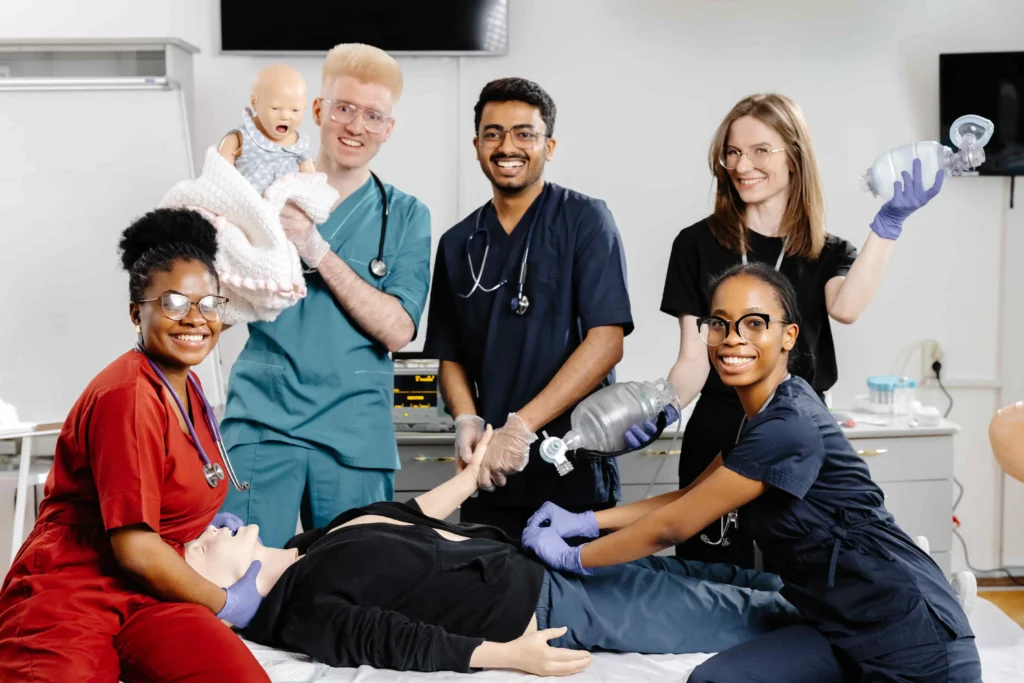
Practical nursing is a profession related to healthcare that concentrates on delivering basic nursing care under the administration of registered nurses (RNs) and doctors. It is also known as practical nursing (PN) . PNs often work in clinics, nursing homes, hospitals, and home health care entities, among additional medical establishments.They provide basic and specialised medical care to a diverse range of patients. To become a practical nurse one usually requires the completion of a formal school program that lasts anywhere from one to two years depending on the region and educational institution. Eligible PNs need to pass a exam in order to be certified to practice after completing their educational requirements. History Of Practical Nursing Practical nursing has a great history that gives consideration to evolving health care and nursing settings. Early nursing practices included mainly women that handled the informal nursing practices in their local settings and homes. It basically includes providing caregiver duties like providing relaxation to the sick, fulfilling daily activities and aiding in hygienic care. During the mid 19th century known as nightingale’s era there was a need for trained nurses who could deliver proper care and have proficient skills. The importance of hygiene, sanitation, and proper nursing education was highlighted in this era. Healthcare needs began to rise in the 19th and early 20th century so requirements for proper healthcare settings were elevated. Basic nursing care under the supervision of registered nurses was the demand. Practical nursing education programs were initiated in the early 20’s. Many women worked as practical nurses during the war era and gained valuable experience in the field. With time practical nursing became a recognized profession. licensing and certification was initiated to make sure that practical nursing fulfils educational standards. There was a growth in the role and responsibilities of practical nurses including providing direct care, carrying out wound care activities, and educating patients and families. Guidelines for becoming a practical nurse If you are planning to work as an PN, there are some requirements that are needed to be completed. After completing your accredited training program you will be eligible to take an exam and obtain your PN depending upon your state or region. Obtaining a license is necessary to work as an PN. The following actions can be taken in order to become an PN: 1- Fulfil requirements for training and education : Your formal school program must be completed. Several technical educational institutions provide PN training courses. It typically takes one to two years according to your state or region requirements . You need to finish your school education or its equivalent, pass the program’s enrollment exam, and enroll in an accredited PN training program. This program provides knowledge on various subjects as well, such as biology, anatomy, physiology, psychology, pharmacology, etc. These programs also provide experience to work in hospitals and clinics. These training courses make sure that students have practical expertise in order to provide a strong basis for nursing practice. 2- Obtain certificates and license: Once your PN training is completed, your certification is awarded. But you still need to complete your license examination to work as an PN. The national licensing test for practical nursing (NCLEX-PN) is supervised by the National Council of State Boards of Nursing (NCSBN). Passing the exam allows you to obtain your license and work as an PN. 3- Think about how to progress in the industry After earning a degree in practical nursing gaining experience in the field and pursuing certifications you can demonstrate your skills and expertise in the field. SIGNIFICANCE: Practical nursing is an important part of providing health care services in a healthcare setting. Assisting registered nurses and doctors: Practical nurses PNs helps registered nurses and doctors in providing quality treatments to the patients in hospitals, nursing homes and other healthcare institutions. PN’s provide primary care to the patients. Therefore, making sure the patient’s safety and comfort is their main task. Attainable care: PN’s provide hands-on care to the patients and they stand as frontliners in providing healthcare services. Focused attention: PN’s spend significant time with their patients and provide individualised care to the patients and build strong relationships with the patients that can bring speedy recovery of the patients. ROLE OF PN’S: PN’s plays significant role in taking care of the patient: Monitoring vital signs Generating assessment on patients Helping patients in doing basic activities Assisting physicians Maintaining patient documentation CAREER OUTLOOK: The career outlook for practical nursing PN’s is generally positive. There are few aspects that influence career outlook for PN’S such as growing population as population ages there is an increase in the demand of more healthcare services. Chronic conditions like diabetes, heart issues are increasing and demand for PN’s is also rising. There are a variety of work environments such as nursing homes, hospitals, different health care settings providing more job opportunities. When considering this profession, PN’s with their interest and goals should also be mindful of physical and emotional responsibility of this role.
