
What Is A Nurse Practitioner?

In today’s rapidly evolving health care environment, the need for health care practitioners who provide primary care as well as specialty care has never been higher. One of the aforementioned positions is the nurse practitioner (NP)—a highly advertised position at the doctorate level with advanced clinical training, which involves significant in-person time seeing patients, and one that continues to gain responsibility in health systems globally. NPs function at the intersection of nursing and medicine—as they provide care that adds the diagnostic and treatment aspects of physicians to their holistic approach to nursing care. The service care models that NPs practice provide access and availability to health care and are focused on a patient-centered, financially responsible model of care. A nurse practitioner is a specific type of advanced practice registered nurse who has completed his or her master’s or doctoral level education in nursing after being licensed as a registered nurse (RN), however advanced clinical education that NPs have completed, does evaluate patients, diagnose disease, prescribe medications, and regularly follows up with on-going care. NPs, if they are practicing in primary care, are most often the first contact for patients coming from rural or underserved situations, and help provide continuity and health promotion through wellness and disease prevention. What is a nurse practitioner? A nurse practitioner (NP) is a licensed, educated health care provider with advanced education in nursing with clinical experience. Usually this education is received through a Master of Science in Nursing (MSN) or Doctor of Nursing Practice (DNP) program that includes a clinical placement or log of training or direct patient experiences. NPs have received sufficient preparation to examine and provide treatment for medical conditions; perform a physical examination; order and interpret diagnostic tests; prescribe medications, controlled substances and medical products. In most states or territories for cancer and non-cancer related patient care, an NP can practice as an independent clinician without the direct supervision of a physician. Although nurse practitioners are educated in the medical model, just like physicians, nurse practitioners continue to incorporate nursing practice principles (patient/patient-centered practice, and preventative and education) into practice because this is ultimately the practice of nursing. Each portion is an important part of the NP’s practice that promotes a holistic model of care while treating individuals, families, and communities. The educational path to become a nurse practitioner Nurse practitioners can pursue nurse practitioner training after serving as a registered nurse (RN). Most nurses are RNs, or bachelor’s of science in nursing (BSN) graduates, after 4 years of school. After gaining experience as an RN and working in a clinical setting, nurse practitioners must complete a master’s of science in nursing (MSN), or doctorate of nursing practice (DNP) program that includes both didactic (classroom) and clinical experiences. The advanced level of nursing education learning provides coursework in advanced pharmacology, advanced pathophysiology, advanced health assessment, and specialty trained courses, (ie. Pediatrics – family care or mental health, etc.) After the completion of their educational training, they may apply to be tested to qualify to take the national certification examination for their specialty focus. Roles and responsibilities of a nurse practitioner Nurse practitioners have undergone training on how to assess illnesses, perform physical exams, order diagnostic tests, and prescribe medications. They manage acute and chronic issues for patients with an emphasis on patient education and preventive health care. NPs develop the treatment plan and are responsible for ensuring the patient is well managed and progressing in their care as appropriate, and also provide referrals to specialists. In many practice settings, NPs are the primary care provider for their patients, providing holistic, patient-centered clinical care for their patients of all ages and all medical conditions. Nurse practitioners in primary care Nurse practitioners provide a significant share of primary care, particularly in regions with a shortage of access to physicians. In some rural areas and underserved urban populations, nurse practitioners may be the only providers available to deliver routine medical care. Often, nurse practitioners are perceived as part of the solution to the persistent primary care physician shortage, providing care in a more available and cost-effective manner. Studies show that the quality of care given by nurse practitioners is comparable to physicians’ care, especially in primary care, and that patients actually had a greater satisfaction rating with nurse practitioner care due to the time spent with them and having more personal attention during appointments. Challenges faced by nurse practitioners Nurse practitioners face a variety of obstacles. Lacking full practice authority, they may not be able to provide the fullest care to patients despite their qualifications to do so. There is also pushback from physician groups that are concerned about the overlap or competition. Future of nurse practitioners The future is very positive for the nurse practitioner profession. Healthcare systems will continue to evolve and transition to meet the needs of growing, aging populations while also trying to be more equitable in care. Although nurse practitioners are primarily focused on providing care, they will continue to assume larger roles. Nurse practitioners will also have new roles as telemedicine, artificial intelligence, and collaborative healthcare models continue to improve and expand.
Practical Nursing Vs. Associate Degree Nursing Understanding The Key Differences

Selecting nursing as a career option is rewarding when actually a nurse, but the route may not be clear for anyone exploring a nursing position. Practical nursing (PN) and Associate Degree in Nursing (ADN) are two common positions when starting in nursing. Both positions have the same intention and outcome of provision of care and provision of better patient outcomes, however; they differ some in education, scope of practice, opportunities for advancement, and salary involved. When you are evaluating various decisions about your nursing career and healthcare education, it may be advantageous to know essential differences between practical nursing and associate degree nursing. Practical nurses (L.P.N., Licensed Practical Nurses) provide basic care as directed by only nurse or physician and have limited scope of practice as the practical nurse will not do patient assessments or perceive the student would plan the upkeep of patient care. Next to consider, Associate Degree Nurses will become R.N.s and have educational learning experiences the type of education and learning experience that an R.N. will possess the practice autonomy to plan a patient’s care, or direct care of the patient while collaborating with and contributing to all other professionals employed in a multidisciplinary health care environment. Education and training requirements The Practical Nursing Programs are offered as certificate or diploma programs, usually at a vocational school, community college or a technical institute, and typically last 12 to 18 months. The focus of these programs is on the basic skills of nursing, like performing vital signs, administering medication, doing wound care, and helping patient’s with personal daily living skills. Students will have clinical placements but they may be limited in comparison to the clinical experiences of an ADN program and may not have exposure to a wide variety of nursing specialties.Associate Degree Nursing Programs last about two to three years and are offered mostly in community colleges, but sometimes in university programs. ADN programs are more academic and academically rigorous. Nursing students are taught anatomy and physiology, pharmacology, microbiology, nursing rationale, and participate in practice and clinical simulation experiences. The clinical placements for an ADN program are broader in focus than that of a Practical Nurse program and provide students with a wider variety of specialty clinical placements like in pediatrics, maternity, surgical, and psych. So while both programs prepare people for a nursing career, ADN programs provide a greater depth and breadth of nursing education. Licensure and certification Both levels of nursing practice require that the nurses become licensed. However entry into practice, in fact the exams and process for obtaining the license vary widely. For practical nurses, in order to practice as an LPN, the student needs to take and pass the NCLEX-PN (National Council Licensure Examination for Practical Nurses) after they complete the educational program. After completing the test, the candidate demonstrates the ability to provide safe care and is evaluated on the nursing’s ability to provide safe and effective care at the basic level. An example of scope is the associate degree nurse who is required to take the NCLEX-RN (National Council Licensure Examination for Registered Nurses) to practice as a RN. The NCLEX-RN is the more expansive of the two tests. Even as a first level entry exam, the NCLEX-RN tests for a higher level of thinking for clinical judgment and critical thinking are assessed for the exam. This basic difference in licensure represents the different responsibilities each profession is valued for and the scope of practice associated with each of the levels of practice. Scope of practice LPNs (Licensed Practical Nurses) provide basic nursing care including measuring vital signs, administering medications (not including IV medications in some states), changing bandages, and helping with bathing, eating, and moving. LPNs generate reports about patient conditions and any potential changes to the RN or physician. LPNs usually work under the supervision of RNs (Registered Nurses) and/or physicians, and any scope of independence to carry out patient care is limited. ADN (Associate Degree Nurses) have more scope of responsibility and independent practice roles than LPNs. ADN nurses can assess patients, establish and execute a care plan, administer IV medication, use complex medical technologies, and educate and advise patients and clients. ADN nurses supervise LPNs and nursing assistants, and they also maintain leadership positions in many clinical and nursing teams. Overall, they have more scope of roles and responsibilities, independent practice autonomy, and authority in their roles as nurses than LPNs. Work settings and career opportunities LPNs are typically found in long-term care facilities, nursing homes, assisted living facilities, home health care settings, and occasionally in clinics or physicians’ offices. Hospitals are hiring fewer LPNs to work in the acute care setting because of the growing pool of talent that requires more, but sometimes less, training. In comparison, ADN RNs can work anywhere from hospitals, emergency rooms and intensive care units to surgical facilities, public health clinics, schools, etc. They can also obtain jobs in case management, patient education, and supervisory positions. ADN RNs also have more options for career progression. Many ADN RNs will obtain a baccalaureate degree in nursing and thereon qualify to apply on as nurse practitioners, nurse educators, and administrators. LPNs seeking to progress in their careers need to transition into ADN or BSN program and become registered nurses on route to RN practice and subsequent professional advancement. Conclusion Both the Practical Nursing and Associate Degree Nursing services are good pathways into the health care field for different reasons and different people. If you want to get working in health care faster and at a lower cost, practical nursing may be the right decision for you. If you want more responsibility, a larger scope of practice, more pay and more growth, potentially an assistant degree in nursing would be a better play.
What Is A Practical Nursing Degree?
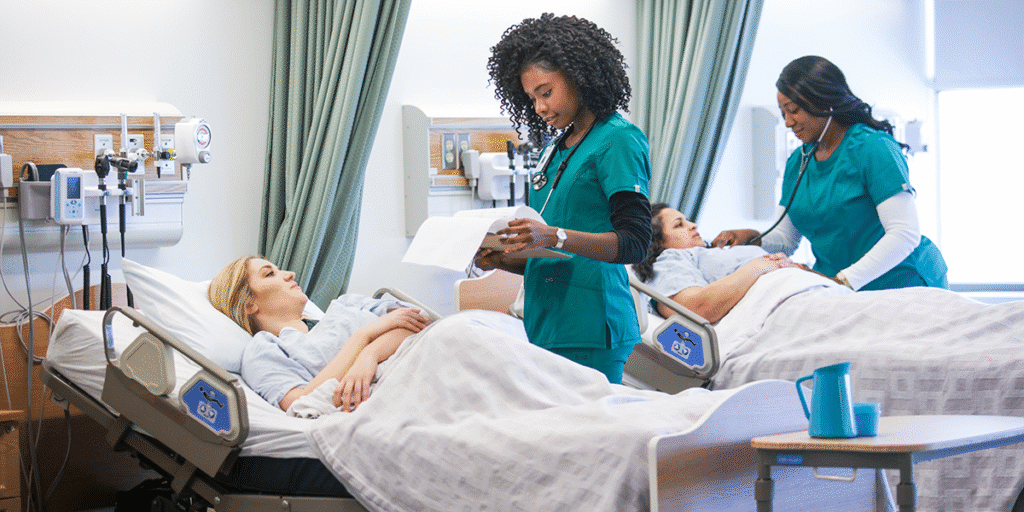
In the ever-changing landscape of healthcare, the practical nurse is the backbone of every aspect of patient care, providing direct hands-on experience in a variety of healthcare settings, such as clinics, hospitals, nursing homes, and more. A practical nursing degree offers individuals a great practical education to transition quickly to the medical field and is a worthy career educational option for those who have a vested interest in helping others. Unlike lengthier degree programs that can take several years to complete, the practical nursing program is relatively timely, often lasting about 12 to 18 months from start to finish, which is ideal for those looking to join the workforce quicker.This degree is ideal for those seeking stable, respected, and/or growth potential in their lives. If you are either beginning your journey in the health care industry, or you are switching careers to be a practical nurse for job security, a liveable wage, and the priceless opportunity to contribute to helping others, then a practical nursing degree may be exactly the right fit for you. Through a practical nursing cohort program, you will learn classroom theory and experiences coupled with clinical application and be exposed to a solid foundation of nursing knowledge including anatomy, pharmacology, patient care, medical ethics, and effective patient communication. Understanding the role of a practical nurse A practical nurse, also known as a Licensed Practical Nurse (LPN), is a member of the healthcare team that practices in an assistant capacity. LPNs, work under the supervision of registered nurses (RNs) and physicians. Their responsibilities include providing eating, drinking to patients, monitoring vital signs, dispensing medications, assisting patients with bathing, dressing and other activities of everyday life, and providing people support for feeling and coping. Practical nurses play an important role in patient safety and care affairs while receiving level of care during hospitalization, or when visiting a physician for regular health visits. Their ability to form a strong caring and trustworthy relationship with patients is very important to a safe care environment, and part of the healing process. They are often the first point of contact between the patient and the health care team e.g. medical team when further care is needed whether on leave from direct care or as an outpatient or resident in a long term care facility. Overview of a practical nursing program Practical nursing education is offered by community colleges, vocational colleges and technical colleges. The majority of programs can typically be completed in roughly 1 year if students are enrolled on a full-time basis. The practical nursing program combines the academic portion of the instruction as well as clinical experiences and a majority of the courses are based on all aspects of nursing. In most programs, students study the following core subjects: human anatomy, human physiology, nutrition, pharmacology, medical-surgical nursing and other related subjects. Clinical rotations take place in hospitals, nursing homes, rehabilitation centers and other healthcare settings with experienced professionals and these are invaluable. One unique element of a practical nursing program is the focus on practical skills. Registered nurses are asked to multitask more with complex plans of care and managerial functions, while licensed practical nurses will frequently implement bedside nursing care more directly. The curriculum prepares students for their required NCLEX-PN exam, which is needed to become a licensed practical nurse to legally practice. Advantages of earning a practical nursing degree One of the greatest benefits of a practical nursing degree is the program length. These programs, unlike traditional four-year nursing degrees, allow students to join a rewarding profession of nursing within one year. This is especially appealing for those who want to begin earning a living quickly or for those who want an affordable means to obtain a healthcare credential. The program serves as a gap for individuals wishing to pursue further education and career advancement later. Many LPNs become RNs, Registered Nurses, through the completion of bridge programs which often allow LPNs to receive credit for already completed coursework or practice experience. This allows practical nurses to increase their skill level of care, continue their education, and move qualifying scope of practice and earnings potential up, while not having to start from scratch. In addition to these benefits, practical nursing is an extremely satisfying career choice. The work of a practical nurse provides someone with the unique opportunity to directly affect patient outcomes and form strong bonds with their patients. For many nurses, the joy of being able to comfort, heal, and support others everyday is very fulfilling. Challenges of the profession While being a practical nurse provides a sense of fulfillment, it brings some challenges too. Licensed Practical Nurses (LPNs) often have to work long hours, they are on their feet most of the day, and they experience emotional situations such as patient deaths and emergencies. LPNs must navigate up to six or more responsibilities, provide treatment to patients, maintain a professional boundary with their patients and colleagues, and remember what is in compliance with the regulations for their professional practice. In addition, as LPNs are practicing under the direction of their supervisor, RN or physician, and some may also feel they do not have the ability to make the same decisions as RNs or they have limited ability to function independently as a nurse because of the Ohio Nurse Practice Act restrictions, they may feel limited in what they can practice. Also, some may feel there is limited opportunity for mobility; unless they return to school for further education. Many challenges are curbed, limited, and worked through with experience, training, and support.
What Jobs Can You Get With A Practical Nursing Certificate?
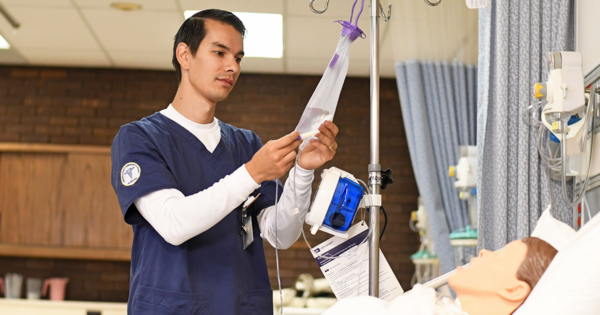
The healthcare industry continues to grow at an increasing pace creating an ongoing need for each level of qualified staff enabling safe care to be provided. One of the quickest and least stressful ways to enter healthcare is a practical nursing certificate, allowing a person to enter health care without the time and financial commitment of a registered nursing (RN) program. Practical nursing programs are usually 12-18 months and provide a student with the clinical and theoretical knowledge required to be either a Licensed Practical Nurse (LPN) or a Licensed Vocational Nurse (LVN)” but depends on what state they reside in. Practical Nurses are important not only to the day to day operations of a healthcare practice, but are essential for positive patient care outcomes.When the practical nursing certificate is awarded, and when the NCLEX-PN licensing exam is passed, a new graduates credentials can be used to start searching for employment opportunities in a hospital, clinic, long term care, a home health or school setting. Become a licensed practical nurse (LPN) For completing the Practical Nursing program, the common and most direct outcome is to become a Licensed Practical Nurse (LPN), or in some states, a Licensed Vocational Nurse (LVN). LPNs provide care in healthcare settings, under the supervision of Registered Nurses (RNs) and Physicians. LPNs provide certain components of nursing care, including: Monitoring a patient’s health status by taking vital signs (blood pressure, pulse, respiration, temperature). Administering medications and injections that are prescribed. Assisting patients with activities of daily living (bathing, dressing, eating). Basic care of wounds and putting on dressings. Informing other nursing teams members of changes in a patient’s status. LPNs help to maintain quality of care; LPNs assist with both physical supportive actions and emotional supportive actions throughout the continuum of care process. Work in a variety of healthcare settings Home health nurse As the need for home-based care continues to increase, many LPNs choose to work as home health nurses. In this role, practical nurses would make visits to patients’ homes to provide care including dressing of wounds, giving medications, or overseeing progress in health. Home health nurses are independent workers and must be capable of making sound decisions and be motivated. A home health nurse often has a more flexible schedule, and the opportunity to incorporate long relationships with patients, similar to chronic conditions or patients recovering from surgery. Rehabilitation centers Rehabilitation Centers provide LPNs a chance to work with patients recovering from serious sickness, injuries, or disorders. When the LPN is a rehabilitation nurse, they help the client become independent again so that they may return to their daily life. Rehabilitative LPNs often assist in physical therapy (PT) exercises, pain management, medication administration and education. Rehabilitative care is a great fit for LPNs who want to play an active role in a patient’s healing process. Hospice care Hospice is another area where practical nurses can have a big impact. LPNs in hospice care may manage pain, administer medications, provide emotional support to families and provide comfort to the patient during their final days. Working as an LPN in hospice care requires emotional strength, compassion, communication skills, but it can be very rewarding for many practical nurses. Pediatric LPN Become a pediatric LPN if you enjoy working with children. Pediatric practical nurses generally work in clinics, hospitals, or a pediatrician’s office providing care to infants, children and adolescents. You may provide vaccinations, growth checks, and education to parents. This role requires gentleness, patience, and a child-friendly approach. Additional pediatric credentials and certifications could improve job opportunities. Specialize in a niche area of care LPNs can provide care for specialization in the following areas: Pediatrics – working with young patients in pediatric clinics, pediatric hospitals, or long-term care facilities. Geriatrics – working with older patients with age related health conditions. Hospice and palliative care – providing comfort and care for patients who are nearing the end of life, while ensuring comfort and quality of life. Maternity and obstetrics – involving working with women during the prenatal period, the labor and delivery phase, and immediately after the woman delivers her baby. Surgical nursing – preparing patients and assisting the physician through surgical procedures. These specialties allow LPNs to work in the field of their choosing, but these specialties may also provide access to higher paying positions and leadership positions in the area of their choosing. Opportunities for leadership and mentoring In a practice setting, senior LPNs typically assume leadership roles. As an example, they may function as Charge Nurses, directing a group of nursing assistants and LPNs. They may take on new nurses as their mentees, training them and advising them during their transition into practice. This is how LPNs can impact the work culture of their practice environment and quality of patient care.
How Hard Is Practical Nursing School?

Practical nursing education receives widespread perception as an easy program because it operates within a shorter timeframe than other nursing courses. The idea that practical nursing school represents an easy educational path proves to be incorrect. Practical nursing school exists as an intense and demanding educational experience that leads to Licensed Practical Nurse (LPN) certification. Medical knowledge acquisition along with critical thinking development and hands-on patient care practice occurs within the 12 to 18-month timeframe. The program operates at a rapid pace which creates mental, physical and emotional challenges for students. The entire educational journey demands total commitment and determination from students who face early morning lectures alongside late-night study sessions, difficult exams, and stressful clinical experiences. The difficulty of practical nursing school stems from the need for students to successfully handle their academic work alongside their life responsibilities. The combination of being nursing students with parental duties or employment responsibilities creates substantial difficulties in managing the continuous demands of tests, assignments and clinical requirements. Despite facing numerous obstacles thousands of students complete the program each year to work in hospitals, nursing homes, and clinics. The intensity of the curriculum The biggest challenge in practical nursing school exists because students must learn extensive material within a limited timeframe. The curriculum includes medical fields such as anatomy together with physiology and pharmacology as well as medical-surgical nursing, pediatric care, maternity care, and mental health education. Each topic contains intricate aspects that demand thorough comprehension. The human body functions better than remembering bones and organs’ names since students need to understand how various systems operate together. The subject of pharmacology challenges students because they need to understand medications including their effects together with dosages and side effects. Practical nursing training requires students to learn how to perform injections, take vital signs, insert catheters, dress wounds and perform CPR. The program becomes extremely demanding because students receive theoretical knowledge alongside practical experience. The fast-paced learning environment The pace of this program creates significant challenges for most students. A typical four-year degree provides students with time to learn material gradually but practical nursing programs condense all coursework into one or two years. Students typically experience entire days packed with lectures and labs as well as clinical rotations. Students experience a serious problem when they miss several classes or fall behind on assignments because the program provides almost no opportunity to catch up. Students experience a rapid passage of time as they continuously prepare for upcoming quizzes, practical exams and final tests. Students find it difficult to finish all their tasks because the available time in the day seems insufficient. Students need exceptional time-control abilities and they must maintain focus and organization throughout the program. Clinical training and real-world experience Practical nursing school demands physical endurance alongside emotional rigor because of its challenging nature. The students experience high demands to succeed in both their educational work and their clinical practice. The fear of making a mistake, failing an exam, or not understanding a concept can cause anxiety and stress. Various personal issues such as family duties, financial problems and health conditions affect numerous students. Clinical experiences with patients in pain together with death and high-pressure situations create substantial emotional strain on students. Uninterrupted stress without adequate help leads to burnout in students. Nursing students should practice self-care while taking necessary breaks and seeking help from counselors and mentors to avoid feeling overwhelmed. Conclusion The practical nursing school exists as a demanding educational path that students must endure. This program exists to help students gain necessary skills for actual nursing duties including patient care and working in stressful environments with daily critical decision-making. The program’s demanding aspects such as rigorous coursework together with a quick learning pace, clinical experience and emotional strain help develop competent and accountable nursing professionals. The path is demanding but it carries deep significance. Nursing school graduates receive more than educational credentials because they acquire essential skills along with self-assurance and empathic abilities to impact patient care. Practical nursing school presents a demanding but valuable opportunity for students who dedicate themselves to their education.
When Was The First School Of Practical Nursing In The United States Founded?

The history of nursing education in the United States has reflected the development of the United States toward a more organized, equitable, and competent healthcare system. The healthcare landscape began to change as the 19th century gave way to the 20th century, in part due to the industrialization and urbanization of America, which included technological advancements in medicine. New hospitals were being built in order to treat patients with complex and growing needs. While reserved nurses play an important role in the health care team, it was not uncommon for people to be without or short of nursing services, especially in rural areas and poorly economically supported urban areas. In essence, practical nurses were developed to meet the needs of organized, available, and competent health care workers. In this regard, practical nursing developed a course of training to provide people, primarily from working-class backgrounds, the necessary skills to be able to assist physicians and registered nurses in the care of patients. The founding of the first practical nursing school The first school of practical nursing in the United States was founded in 1892 in Brooklyn, New York. Known as the Ballard School, the school was established under the Young Women’s Christian Association (YWCA). During a time when formal education was limited for women, and especially for women in science or medicine, the Ballard School provided a formal and organized educational program, which included actual classroom instruction, and trained women to provide basic nursing care for patients. Evolution from home care to professional training The original intent of the program was to train home caregivers, but the program quickly moved toward preparing professional training of nursing aides for hospitals and health care in the community. The Ballard School offered a progressive curriculum at the time that lasted approximately three months and included education on basic anatomy and physiology, sanitation, nutrition, and personal care. Students could also take part in practical hands-on training that allowed them to learn how to assist with bathing, feeding, and observing patients. Key values and teaching philosophy ams The Ballard School provided information focusing heavily on cleanliness, ethics, and observation, key aspects of nursing education today. While the offerings of the Ballard School were more limited than those of a registered nurse, the knowledge and training that it offered its graduates allowed them to contribute in both hospital and home settings. Accessibility and social impact The Ballard School was notable for its commitment to accessibility in education. Creating short-term, skills-focused training, it enabled women from lower socioeconomic backgrounds to gain a credential in the healthcare profession over a short time span, thus providing a level of democratization of nursing education. Many women benefited financially and gained independence, and many underserved communities received additional standards of care. Influence and expansion of practical nursing education The success of the Ballard School inspired other schools across the country and their variations of practical nursing that met the health discrepancies where they were located. Over the decades ahead, practical nursing continued to be popular and in demand. The economic repercussions of the Great Depression, and the healthcare demands of World I and World II, placed more stress on hospitals in search of capable staff who could work at a low cost. In this context, practical nurses were viewed increasingly as a vital resource, providing high-quality care for lesser compensation than the subsequent tier of the nursing pyramid—registered nurses. Accordingly, this period of focus and attention resulted in an exceptional increase in the sheer number and size of practical nursing education programs, many of which were developed in collaboration with local hospitals and/or public health departments. Formation of national standards The National Association for Practical Nurse Education and Service (NAPNES) was created in 1947 with a focus on developing standards and supporting the practical nurse profession. One of NAPNES’s first achievements was the development of a national curriculum and promotion of credentials which resulted in the use of the professional titles of Licensed Practical Nurse (LPN) and Licensed Vocational Nurse (LVN) depending on the jurisdiction, becoming institutionalized. The licensure formally recognized the practice of practical nursing with examinations, licensing, regulatory oversight, and requirements for continuing education. Establishing a tiered nursing structure The development of the Ballard School and subsequent LPN programs created a tiered structure for nursing in the United States, which enabled levels of variation in the training, responsibility, and pay of healthcare careers that simply did not exist previously. This variation created a pathway to expand access to healthcare professions: people can now choose from varied levels of education and credentials over the course of their lifetime. Many LPNs went on to become Registered Nurses (RNs), but those that did not, specialize in areas of practice, such as geriatrics, pediatrics, or home health, which were not as easily available to them previously. Modern-day practical nursing programs Today, practical nursing programs are offered by vocational schools, community colleges, and in some high schools across the country, and training programs run from about 12 to 18 months in duration. Along with technology and healthcare delivery changes, the same core values established by the original Ballard School remain in place: continued access, hands-on education, value for patient-centered care, and continued access to try to empower people, especially women, by access to education and career opportunities. Lasting legacy of the ballard school The impact of the Ballard School continues to be commemorated today, not only as the origin of practical nursing education in the U.S. but as part of a legacy of public health progress and gender equity. The effects, emanating from such a simple institution, have continued to extend far beyond Brooklyn, affecting the lives of millions of patients and the beginnings of countless nurses. By institutionalizing practical nursing, the Ballard School initiated a system of more available and efficient healthcare parameters for the 20th century and beyond.
How Long Are Medical Assistant Programs?

In the healthcare system, medical assistants are essential members of the healthcare workforce. They mediate between doctors and patients, contributing to the effectiveness and efficiency of clinical practice settings. Medical assistants work in many employment settings such as community hospitals, private physician’s offices, or outpatient clinics and are responsible for administrative tasks like scheduling appointments and managing health care records, as well as clinical tasks like assessing vital signs and a whole host of other responsibilities in collaboration with licensed prescribing clinicians to provide patient care. As the healthcare system continues to expand, the need for highly skilled medical assistants has increased. Certificate or diploma programs Certificate or diploma programs in medical assisting are among the fastest routes into the profession. These programs take about twelve months or less to complete, providing good options for individuals who want to get worked as quickly as possible! Many vocational schools, technical institutes, and some community colleges offer certificate programs focused on the appropriate mindful skills and knowledge needed for the job. Typically, graduates experience hands-on training in clinical procedures like taking blood pressure and administering injections, clinical observation and assisting activities like being able to assist during minor surgeries, and other appropriate administrative tasks like handling health insurance claims and payments, maintaining organized patient records and managing appointment calendars and schedules. Most of these programs have an externship or clinical rotation component, which allows students hands-on experience in a live medical environment. Associate degree programs Students who want a broader education, and the chance to explore a wider range of career options, associate degree programs are a great alternative. These programs take approximately eighteen months to two years, depending on the pace of the full-time or part-time student. Associate degree programs present a well-rounded educational plan that offers more than foundational training as a medical assistant. As an example, beyond the clinical and administrative training, students would also take liberal studies courses like English composition, psychology, communication, math, and other areas of coursework that enhance critical thinking and communication skills, while preparing students to pursue further education (such as nursing, or healthcare administration). In addition, associate degree programs require clinical practicum or externship placements, where students are provided practical experience to prepare them to gain valuable experience and a smooth transition to practice. On-the-job training programs While some people become medical assistants via the on-the-job training given by their employers, this is no longer as prevalent due to the increase in certification requirements. On-the-job training may vary in length depending on the complexity of the tasks and the scope of the training program. During this type of training, individuals are hired by clinics or healthcare facilities and trained on the job by learning from experienced medical professionals. Trainees may not participate in a formal training program, but slowly learn and accomplish all the duties of the position, including front-desk work and clinical duties. The downside to this type of training is that it usually does not give trainees the full knowledge or a nationally recognized credential, and may inhibit mobility and career advancement. Increasingly, employers prefer and expect applicants to have formal training, as well as a certification from an accredited organization. Online medical assistant programs The rise of online medical assistant programs has made it possible for students, particularly working adults and professionals, to pursue studies in this area while also meeting their other commitments. Typically, a certificate program generally takes 9-12 months and an associate’s degree program takes up to 2 years. As a student pursuing an online medical assistant program, you complete the theoretical components of the course online, which includes lectures, readings, and interacting on assignments. The skills developed from practical coursework, which is essential for a medical assistant, are considered an in-person externship that is typically arranged locally outside of your online program with a clinic or healthcare organization. The greatest advantage to remote learning is the ability to study and complete coursework at your convenience and the opportunity to balance your learning with your other life commitments. Remote programs require a student to be disciplined and to take a proactive approach to learning, as time management for your studies is essential. In selecting an online program, accreditation and consideration of the quality of the curriculum are two important factors, which will ensure that the training preparation is aligned with industry standards and expectations if they prepare you for certification exams at the end of the program. Certification requirements Most graduates of a medical assisting program elect to become certified once they have graduated, but this is not a requirement for all states. Certification may offer graduates more job opportunities, provide evidence of a professional level of certification, and often will earn the employee a higher wage. Preparing for certification tests typically takes a few weeks to a few months depending on the individual’s research style and how well they know the material. Typically, training programs will include certification exam preparation, which would allow students to review core concepts, and prep for test taking. Once a medical assistant earns a certification, it is possible the state could require a certain number of continuing education credits to maintain certification. Continuing education is also an important way to stay up to date on changes in healthcare practice, healthcare technology, and other relevant areas of influence.
What Is A Graduate Certificate In Nursing?

In the dynamic healthcare environment, the need for highly qualified nursing professionals has never been higher. With the increased complexity of patient care and innovative technologies that are being introduced, nurses are expected to upgrade their skills and respond to specialized positions within the healthcare framework. This is where a Graduate Certificate in Nursing steps in—a concentrated, advanced degree program for registered nurses (RNs) looking to enhance their proficiency, extend their employment opportunities, or switch over to leadership or specialized roles. In contrast to a full master’s degree, which involves a more extensive commitment, a graduate certificate is a shorter, focused route for nurses to acquire new skills and credentials in a specialized practice area. A Graduate Certificate in Nursing fills the space between undergraduate education and a master’s or doctoral degree, providing a chance for professional development and career advancement. Whether a nurse wishes to become specialized in clinical leadership, critical care, mental health, or education, a graduate certificate gives them the theoretical knowledge and practical skills necessary for success. It is also used as a stepping stone for those thinking of further postgraduate study in the future. Graduate certificate in nursing A Graduate Certificate in Nursing is a postgraduate academic degree program aimed at registered nurses who have finished their bachelor’s degrees (usually a Bachelor of Science in Nursing or its equivalent). The certificate enables nurses to specialize in a particular field of nursing practice without enrolling in a full master’s degree program. It usually includes 3–5 specialized courses, on theoretical and practical topics specific to the area of interest, like leadership, clinical practice, or education. This specialized study allows nurses to expand on their current clinical skill, use evidence-based interventions, and remain current on healthcare trends. Graduate certificates tend to be sought by nurses who want to specialize in a specific field, for example, acute care, perioperative nursing, mental health, or palliative care, or work in higher-level roles such as clinical educators or nurse managers. The length of a graduate certificate program is typically between six months and one year part-time, but it can differ based on the organization and mode of study. Key benefits of a graduate certificate in nursing One of the most significant benefits of earning a Graduate Certificate in Nursing is career advancement. With the healthcare sector becoming more and more specialized, employers are looking for nurses with specialized qualifications to undertake advanced clinical jobs or leadership positions. The graduate certificate signifies the dedication of a nurse to continuing education, and this can become a key to upper-level jobs, greater responsibilities, and improved salary opportunities. A further advantage is the convenience of the program. Most graduate certificates are geared towards working professionals, with distance learning or hybrid learning opportunities to fit around nurses’ full-time workloads. This is how nurses can remain at work while completing their studies, enabling them to immediately transfer new skills to their actual clinical practice. A graduate certificate also serves to give nurses confidence to practice in a specialized area of care so that they are able to deliver evidence-based interventions and make deliberate decisions that will improve patient outcomes. Also, for those looking to enter the master’s degree in nursing (MSN), a graduate certificate will typically enable credits to be transferred, saving time and expense on a future postgraduate program. Common specializations in graduate nursing certificates Graduate nursing certificates usually specialize in a particular area of clinical or professional practice. Among the most common specializations are: Clinical leadership: This specialization is intended for nurses who want to enter leadership positions. It is centered on management competencies, healthcare systems, quality improvement, and team dynamics. It prepares the nurses to manage teams, direct clinical operations, and implement evidence-based policies. Acute care nursing: This specialty provides nurses with superior knowledge and skills to care for critically ill patients, typically in environments such as emergency departments or intensive care units (ICUs). Mental health nursing: Mental health specialization enables nurses to care for patients with mental illness, learn about psychological treatments, and function within multidisciplinary teams to provide whole-person care. Palliative care: Nurses here are taught to cope with the complex needs of terminally ill patients, addressing pain, emotional support, and end-of-life care. Nursing education: This program is geared towards curriculum design, teaching techniques, and test-taking skills to equip nurses to become teachers in academic or clinical environments. These specializations reflect the diverse opportunities within nursing, allowing professionals to align their studies with their career interests and the healthcare needs of their communities. Entry requirements and application process To enroll in a Graduate Certificate in Nursing, applicants must typically hold a current nursing registration in their country of practice and have completed an undergraduate nursing degree such as a Bachelor of Science in Nursing (BSN). The programs might demand a minimum number of clinical hours in the specialized area, especially for specializations such as critical care or perioperative nursing. The application process typically includes submission of an online application using the institution’s admissions website, academic transcripts, a resume, and sometimes a statement of purpose outlining the reason for pursuing the certificate. Letters of recommendation or proof of current professional registration may be asked for in some programs. For students from overseas or non-English-speaking countries, English language proficiency (e.g., IELTS or TOEFL test scores) will also be required. It is best to check each program’s entry requirements prior to application. Career outcomes after completing a graduate certificate in nursing A Graduate Certificate in Nursing adds to the qualifications of a nurse and can open up opportunities for career advancement in many different settings. Graduates can advance to senior positions like nurse educator, nurse manager, care coordinator, or clinical nurse specialist based on their area of specialization. For instance, a graduate with a certificate in critical care may be suited for leadership positions within an ICU, whereas a graduate with a certificate in nursing education may adopt teaching roles in academic organizations or healthcare establishments. The further expertise from a graduate certificate also renders
How To Get A Nursing Transcript Certificate?

In the healthcare field, record-keeping of academic progress is a professional development and future opportunity process. One important document is the nursing transcript certificate. A nursing transcript is a document that shows a student’s academic progress within the nursing program, including course completion, grading basis, grades achieved, and completed credits. You will need an accurate and up-to-date nursing transcript certificate if you are pursuing your first nursing license, advancing your education, or exploring opportunities abroad. Many nurses may not know how or where to get a transcript, particularly if they graduated or went to school some years ago, or because of the institution’s process. This may seem intimidating at first since there are often several steps involved in the transcript process, including official requests, verification, and, in some situations, the stress of seeking accountability for the paperwork and record-keeping methods of an institution or bureaucracy. Nonetheless, once you are clear on the process, it will be much easier to secure yourself a nursing transcript certificate. Understanding the importance of a nursing transcript certificate A nursing transcript certificate is an official document that truly represents your academic experience and accomplishments. It offers extensive details on courses completed, grades obtained, and credits earned. This report is commonly requested when requesting nursing licensure or registration from another state or country, requesting admission to advanced education programs like a Bachelor of Science in Nursing (BSN), Master of Science in Nursing (MSN), or Doctorate in Nursing Practice (DNP), job application where the employers have to confirm your nursing education, or for credential assessments for immigration. Without an authentic transcript, your educational credentials will not be honored, and your career will be hindered. This is why it is important to have an official and current nursing transcript certificate when required. Identifying the issuing authority The process of getting your nursing transcript begins by seeking the authority issuing the transcript. This will, in most instances, be the nursing school, college, or university you attended for your nursing course. For example, if you graduated with a Bachelor of Science in Nursing (BSN) degree from a certain university, you should get in touch with the registrar or records office of that university. In the case of diploma or certificate courses, e.g., those in the Philippines, the authority where the degree is issued could be the school of nursing or the attached examination board. Preparing the required documents It is important to secure all documents before requesting a nursing transcript certificate. Requirements can differ based on the institution or country, but standard documents needed are a formal application or request letter, your full name, registration number, and course details, a copy of the nursing license if it is applicable, a copy of your degree or diploma certificate, a government-issued ID like a passport, CNIC, evidence of payment of transcript fees if needed, and other forms required by the institution or authority. Your documents are clear, legible, and current so that they won’t be rejected. Submitting the transcript request After preparing your documents, you can go ahead and submit your request for a transcript to the relevant office. Submission is usually possible in person, by post, or online if the institution provides electronic services. When doing it in person, it is advisable to visit the office to confirm working hours and whether an appointment is required. If you are mailing, using a trusty courier service and attaching all required documents is advisable. When applying online, ensure you are obedient to instructions and upload good-quality scans of requested documents. It is always prudent to retain a copy of your application and any receipts for payment for your reference. Paying the required fees It is common for most institutions to have a processing fee for transcript issuance, which can differ based on the number of copies, the location—local or international—and the urgency level, regular or urgent submission. Paying the appropriate fee through the designated payment mechanism, bank drafts, online payment systems, or cash at the accounts office, is crucial in order to prevent delays. Following up on your request After making your request, it’s essential to follow up, particularly if you have a deadline to achieve. Call the concerned office via phone or email to inquire about the status of your transcript request. Institutions may offer a tracking number or portal to track progress. Be polite in your interaction and always mention your application number or receipt number so the staff can easily find your request. Receiving and verifying your transcript You will receive your transcript once it is prepared, either picking it up from the issuing authority or having it posted to your preferred address. In some instances, the transcript may only be forwarded straight to the licensing board or the school, since there are institutions that would not accept transcripts that have gone through the applicant’s hands. Upon receiving the transcript, it is essential to verify that your name is spelled correctly, all course details and grades are accurate, the document is signed and stamped by the appropriate authority, and the envelope is sealed and marked “official” if required by the receiving organization. If you notice any mistakes, notify the issuing authority at once for rectification, as even small differences can create problems with your application or assessment. Conclusion Obtaining a nursing transcript certificate is a vital step towards career progression for nurses either within the locality or overseas. Even though the procedure will differ from your institution and country, it usually includes determining the issuing authority, getting the documents ready, submitting the application, paying required fees, following up, and ensuring that your transcript is accurate. Being detailed, proactive, and organized will ensure a seamless process. With your nursing transcript certificate in hand, you will be more capable of seeking licensure, further education, or professional opportunities that suit your objectives.
How Long Does It Take To Get A Nursing Assistant Certificate?

In the current healthcare world, certified nursing assistants (CNAs) are crucial in assisting nurses and physicians in providing crucial care to patients. Being a CNA is a great way to begin a career in healthcare without spending years at school. However, one of the questions most asked by prospective CNAs is, How long does it take to become a nursing assistant certificate holder? The response to this question differs based on the training program, state regulations, and whether full-time or part-time study is undertaken. A CNA certification can unlock a fulfilling career where you can make a difference in the lives of patients as well as their families. CNAs are tasked with helping patients with basic activities such as bathing, dressing, feeding, and checking vital signs. They are the linchpin of nursing homes, hospitals, and long-term care facilities. With the need for healthcare workers increasing, being a CNA provides job security, advancement opportunities into positions such as licensed practical nurse (LPN) or registered nurse (RN), and flexible schedules. What is a nursing assistant certificate? A certificate in nursing assistant, commonly known as a CNA certificate, is a document that confirms one has done the required education and training to be a certified nursing assistant. This certification is typically mandated by state boards of regulation and helps guarantee CNAs have the competence necessary to provide care to patients effectively and safely. The certificate program generally integrates classroom training with clinical practice, equipping students for the written and practical parts of the certification examination. Average timeframe to earn a CNA certificate Generally, it takes 4 to 12 weeks to finish a CNA training program and get the certificate, depending on the format of the program and the requirements of the state. Certain full-time, intensive programs take only 4 to 6 weeks, but part-time or evening courses might take 10 to 12 weeks. In most states, for instance, a CNA program is composed of classroom instruction and clinical training taking 75 to 150 hours. In addition to completing the training program, students are also required to pass a state-approved test, which usually entails a written examination and demonstration of skills. Upon passing the test, the individual is granted their CNA certificate and may start work in healthcare facilities. The typical CNA program structure The theory and practice are blended in CNA program training. The classroom session typically includes instruction on vital signs, nutrition, infection control, patient rights, and fundamental nursing techniques. It also addresses legal and ethical concerns in patient care and communication methods, particularly for disabled and elderly patients. The clinical component is a hands-on training phase held in a hospital, nursing home, or other healthcare setting. At this phase, students carry out activities like bathing patients, assisting them in movement, feeding them, and taking vital signs—all under the guidance of a licensed nurse or instructor. This hands-on experience is crucial in developing the confidence and skill set necessary for the position. A comprehensive training program guarantees that students are not only equipped to pass the certification test but also to function well in actual practice environments. Some programs also include CPR training, dementia care, and other specialized modules to further equip students to work in long-term care facilities. Steps to obtain a nursing assistant certificate Enroll in a state-approved CNA program: Locate a program certified by the nursing board or health department of your state. Complete the required training hours: Fulfill both classroom and clinical criteria. Apply for the CNA exam: Submit your application and pay any applicable fees. This typically combines a skills demonstration component with a multiple-choice written exam. Your CNA certificate will arrive after you pass the test; your state will issue it and you will be qualified to work as a CNA. Register with the state registry; in most states, you will also be listed on the CNA registry, which lets companies confirm your certification. What happens after getting the CNA certificate? When you get your nursing assistant certificate, you’re now fully qualified to become a CNA and work in healthcare facilities such as hospitals, nursing homes, assisted living facilities, and clinics. CNAs are easily employed shortly after getting certified because the need for qualified nursing assistants is high throughout the United States. Your CNA certificate is typically valid for two years, after which you’ll need to renew it by meeting your state’s continuing education or work requirements. Some CNAs use their experience as a stepping stone to further education, such as becoming an LPN or RN. Conclusion Achieving certification as a Certified Nursing Assistant (CNA) is an enriching and useful initial step for those wishing to enter the healthcare profession. The time frame to obtain a CNA certification is fairly brief, often ranging from four to twelve weeks, depending on the program structure, state laws, and personal work rate. This makes it a convenient and favorable opportunity for those needing to transition their careers, recent high school graduates, or anyone interested in helping others. The process includes the completion of a state-approved training program, the completion of clinical hours, and the passing of a certification exam that evaluates both theoretical and practical skills. Upon becoming certified, CNAs are able to work within a multitude of healthcare facilities, such as hospitals, nursing homes, and assisted living facilities, in which they administer vital care to patients and assist the healthcare team. For those willing to fast-track their career, full-time and accelerated options provide a faster route, while part-time and evening formats offer convenience for those with work or family responsibilities. Whatever the schedule, the secret to success is picking the best program, committing to it, and working hard for the exam. In summary, obtaining a CNA certificate is an achievable and fulfilling transition to the healthcare industry, with stability, job fulfillment, and the ability to positively impact the lives of others.