
Must-have Apps for Every PN

Must-have Apps for Every LPN What makes apps essential for nurses? Technology in nursing that includes Electronic Health Records (EHRs), telemedicine, mobile health apps, and advanced diagnostic tools provides improved clinical decision-making, increased workflow efficiency, and enhanced communication. With the help of these technical developments, nurses may now access real-time patient data, provide treatment more efficiently, and explore ongoing professional growth. Nursing apps are essential for improving patient care by offering quick access to medical information, facilitating communication, and making documentation easier. They also increase productivity by providing resources for task management, clinical decision support, and real-time updates. In fast-paced healthcare settings, these apps assist nurses in providing more precise and timely care. How are patients benefited by these apps? Nursing apps offer several benefits for patients: Better communication Patients can stay in touch with nurses and healthcare teams. They provide fast communication, schedule of appointments, and ensure that patients can more easily manage their care and receive rapid responses to their concerns. Enhanced personalized care Nursing apps offer daily health task reminders, enabling healthcare providers to better meet the needs of their individual patients. With this personalized approach, patients are better able to manage their health and follow their treatment plans. Real-time health monitoring These apps make it possible for the patients to regularly monitor essential health indicators like blood pressure and blood glucose levels. This real-time observation makes it possible to identify possible problems early, enabling rapid medical actions and care, if needed. How are patients benefited by these apps? There are many useful nursing apps, such as: 1- MedScape What does this app offer? It offers the latest medical news. With this app, you can access specific medical news, and a clinical reference library. The app’s news element allows the students to stay connected with the developments in the field. Accessibility This app can be accessed on iOS and Android. 2- Epocrates What does this app offer? This app provides quick access to medical guidelines and patient-care tools. It helps users to check drug information, drug interactions, and also use medical calculators and diagnostic tools. It’s a user-friendly app. Accessibility This app can be accessed on iOS and Android. 3- Med Mnemonics What does this app offer? This app enhances the memory and knowledge of nursing students by delivering unique mnemonic techniques. You can remember important medical information using memory aids and mnemonics. You can access complex medical terms, names of the drugs, and clinical guidelines by using helpful phrases. Accessibility This app can be accessed on iOS and Android. 4- Nursing Central What does this app offer? It is considered one of the best nursing apps. It provides a wide range of resources to support clinical practices. It allows nurses to quickly find information about drugs, reference clinical guidelines, and stay updated with healthcare practices. Users can search, read, and analyze important information to support patient care and decision-making. Accessibility This app can be accessed on iOS and Android. 5- NurseGrid What does this app offer? This app allows nurses to manage and organize patient information. It provides tools for tracking patient data, accessing medical facilities, and scheduling tasks. It makes it easier for nurses to provide effective and timely care. Accessibility This app can be accessed on iOS and Android. 6- PEPID What does this app offer? It provides detailed information on clinical terms and every essential element related to patient care. Students can get a proper guide on different areas in clinical aspects. By using this app, nurses can provide effective and in-time patient care. Accessibility This app can be accessed on iOS and Android. 7- NCLEX-RN Mastery 2024 What does this app offer? It is a very beneficial app for nursing students to prepare for the NCLEX-RN exam.It provides practice questions, detailed explanations of important topics, and a proper study guide to cover key nursing concepts. Accessibility This app can be accessed on iOS and Android. 8- NCSBN Flashcard What does this app offer? It provides a medication library in your phone, which is the best source for learning students and even nurses when they need a quick guide or reference. By providing digital flashcards, it helps nursing students prepare well for their exams. These flashcards include important nursing key concepts, allowing users to review and test their knowledge. Accessibility This app can be accessed on iOS and Android. 9- Eponyms What does this app offer? The Eponym nursing app helps the students learn the medical terms named after people, called eponyms. This app is very useful for enhancing medical vocabulary and understanding by providing explanations and detailed information. It is a very handy resource for improving knowledge. Accessibility This app can be accessed on iOS and Android. 10- Nursing Dictionary by Farlex What does this app offer? A detailed reference for nursing terminology is offered by the Farlex app. It helps users understand complex nursing terminology by providing concise and clear definitions and explanations of different medical terms and topics. Accessibility This app can be accessed on iOS and Android.
HEALTHCARE DIVISIONS IN PHILADELPHIA

HEALTHCARE DIVISIONS IN PHILADELPHIA In order to maintain both public and individual health, health care systems are very important, as they also help in promoting economic stability, and enhancing the quality of life. The development of medical knowledge, the assurance of proper and adequate access to care, and preparation for medical emergencies are the vitals of any healthcare system. The Availability of modern medical facilities, institutes for conducting research is making Philadelphia a renowned center for healthcare. The focal point of Philadelphia’s healthcare systems is its advancement in research and innovation. Philadelphia’s educational institutions ensure the availability of a skilled workforce by providing top-notch training to the health care professionals. A variety of long-term and specialized care facilities and services, such as assisted living facilities and nursing homes, are available to meet the needs of patients. Philadelphia’s healthcare divisions are becoming more advanced with the developments in the fields of technology, research, and patient care. HOSPITALS A number of well-known hospitals, each with an exceptional recognition for patient care, medical research, and specialty care, are the core components of Philadelphia’s healthcare systems. A general outlook of some of Philadelphia’s major hospitals and their contributions to the medical community is given below: Hospital of the University of Pennsylvania (HUP) HUP is a well-known medical center known for its comprehensive treatment, modern research, and innovative therapies and care. Neurology, cardiology, orthopaedics, and cancer treatment are the specialties in which HUP excels. It is more recognized for providing excellent care in fields like complex surgery and transplants. Affiliated with the University of Pennsylvania Perelman School of Medicine, HUP serves as a centre for medical research and education, contributing to advancements in medical science and training future healthcare professionals. Thomas Jefferson University Hospital Well-known for delivering a wide range of medical services. Thomas Jefferson University Hospital is marked as a renowned institution offering a wide range of comprehensive specialties. Children’s Hospital of Philadelphia (CHOP) One of the best and leading pediatric hospitals known for its exceptional pediatric treatment and focus on pediatric research. Intensive care in fields such as pediatric cardiology, oncology, neonatology, and genetic disorders is offered by CHOP. Developing modified therapies and technological advancements specifically for young patients is the primary task for the hospital. CLINICS Philadelphia clinics are dominant in healthcare settings, taking part in innovative research and introducing innovative technologies and therapies. There are many clinics that are actively engaged and taking part in community health projects, in order to address and notify the social aspects of health and enhance access to care for all locals. The Family Practice & Counseling Network With a focus on providing primary care, preventive services, and mental health assistance, FPCN runs multiple clinics around Philadelphia. It is dedicated to providing intensive care to the patients. Penn Medicine Princeton Health Penn Medicine’s network- offers high quality care in areas like emergency services, ambulatory care, and specialized treatment. Children’s Hospital of Philadelphia (CHOP) One of the best and leading pediatric hospitals known for its exceptional pediatric treatment and focus on pediatric research. Intensive care in fields such as pediatric cardiology, oncology, neonatology, and genetic disorders is offered by CHOP. Developing modified therapies and technological advancements specifically for young patients is the primary task for the hospital. NURSING HOMES Nursing homes in the healthcare system are very important for the individuals who need assistance with daily activities and require proper medical attention. Skilled nursing care, assisted living, and memory care are the types of care provided to the individuals in the nursing homes. A supportive living environment along with medical attention is what nursing homes offer to their individuals in order to improve their general well-being. Philadelphia Protestant Home A wide range of facilities, including personal care, skilled nursing, and memory care, are provided. The Watermark at Logan Square Focused on providing skilled nursing care, independent living, and assisted living with an emphasis on luxurious facilities. The Chelsea at Jenkintown Social opportunities and different recreational activities for assisted living and memory care patients are offered. EMPLOYMENT OPPORTUNITIES: The growth of Philadelphia’s healthcare sector is through advancements in medical technology and an aging population. A wide range of skilled professionals, offering up a variety of solid employment opportunities is the developmental factor. There are opportunities in support, technical, administrative, and direct patient care domains. Direct Patient Care: Doctors: diagnose and treat patients, working in hospitals and clinics. Nurses: care for patients by providing treatments, medications, and supporting recovery. Registered nurses (RNs), nurse practitioners (NPs), and practical nurses (PNs) are positions. Professionals in allied health: physical therapists who help with rehabilitation, lab technicians who conduct medical testing, and radiologic technologists who carry out imaging tests. Administration positions : Medical Office staff: keeping records of medical data, arranging consultations and appointments. Healthcare managers: supervising and coordinating hospital, clinic, or assisted living facility operations. IT and Technology Roles Technicians in Health Information: Supervise health records and ensure the security and accuracy of the data. Specialised positions Pharmacists Assign prescriptions: Work in retail pharmacies, clinics, or hospitals. Workers in Social Services: Support patients and their families with the financial, social, and psychological aspects. DEVELOPMENT OF THE INDUSTRY Over the past few years, Philadelphia’s healthcare sector has expanded significantly, emerging as a major center for medical innovation and care. The two main ways that the sector grows and develops are through professional training and cutting-edge research. Philadelphia is becoming a more significant part of the healthcare system because of improvements in the standard of medical care and the creation of several professional opportunities.
INTRODUCTION TO PRACTICAL NURSING
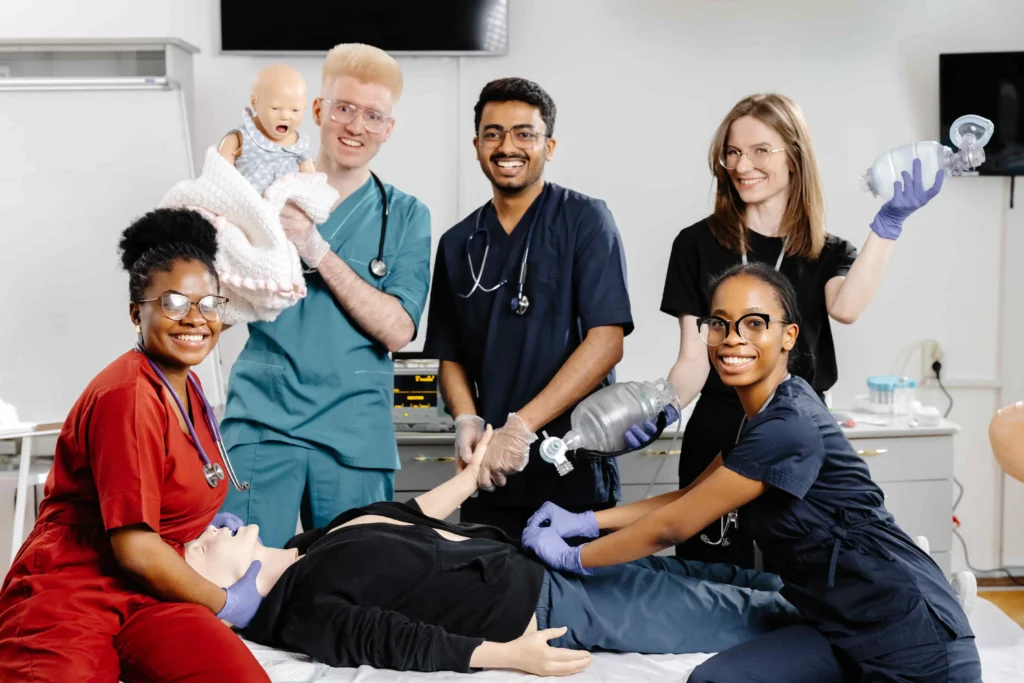
Practical nursing is a profession related to healthcare that concentrates on delivering basic nursing care under the administration of registered nurses (RNs) and doctors. It is also known as practical nursing (PN) . PNs often work in clinics, nursing homes, hospitals, and home health care entities, among additional medical establishments.They provide basic and specialised medical care to a diverse range of patients. To become a practical nurse one usually requires the completion of a formal school program that lasts anywhere from one to two years depending on the region and educational institution. Eligible PNs need to pass a exam in order to be certified to practice after completing their educational requirements. History Of Practical Nursing Practical nursing has a great history that gives consideration to evolving health care and nursing settings. Early nursing practices included mainly women that handled the informal nursing practices in their local settings and homes. It basically includes providing caregiver duties like providing relaxation to the sick, fulfilling daily activities and aiding in hygienic care. During the mid 19th century known as nightingale’s era there was a need for trained nurses who could deliver proper care and have proficient skills. The importance of hygiene, sanitation, and proper nursing education was highlighted in this era. Healthcare needs began to rise in the 19th and early 20th century so requirements for proper healthcare settings were elevated. Basic nursing care under the supervision of registered nurses was the demand. Practical nursing education programs were initiated in the early 20’s. Many women worked as practical nurses during the war era and gained valuable experience in the field. With time practical nursing became a recognized profession. licensing and certification was initiated to make sure that practical nursing fulfils educational standards. There was a growth in the role and responsibilities of practical nurses including providing direct care, carrying out wound care activities, and educating patients and families. Guidelines for becoming a practical nurse If you are planning to work as an PN, there are some requirements that are needed to be completed. After completing your accredited training program you will be eligible to take an exam and obtain your PN depending upon your state or region. Obtaining a license is necessary to work as an PN. The following actions can be taken in order to become an PN: 1- Fulfil requirements for training and education : Your formal school program must be completed. Several technical educational institutions provide PN training courses. It typically takes one to two years according to your state or region requirements . You need to finish your school education or its equivalent, pass the program’s enrollment exam, and enroll in an accredited PN training program. This program provides knowledge on various subjects as well, such as biology, anatomy, physiology, psychology, pharmacology, etc. These programs also provide experience to work in hospitals and clinics. These training courses make sure that students have practical expertise in order to provide a strong basis for nursing practice. 2- Obtain certificates and license: Once your PN training is completed, your certification is awarded. But you still need to complete your license examination to work as an PN. The national licensing test for practical nursing (NCLEX-PN) is supervised by the National Council of State Boards of Nursing (NCSBN). Passing the exam allows you to obtain your license and work as an PN. 3- Think about how to progress in the industry After earning a degree in practical nursing gaining experience in the field and pursuing certifications you can demonstrate your skills and expertise in the field. SIGNIFICANCE: Practical nursing is an important part of providing health care services in a healthcare setting. Assisting registered nurses and doctors: Practical nurses PNs helps registered nurses and doctors in providing quality treatments to the patients in hospitals, nursing homes and other healthcare institutions. PN’s provide primary care to the patients. Therefore, making sure the patient’s safety and comfort is their main task. Attainable care: PN’s provide hands-on care to the patients and they stand as frontliners in providing healthcare services. Focused attention: PN’s spend significant time with their patients and provide individualised care to the patients and build strong relationships with the patients that can bring speedy recovery of the patients. ROLE OF PN’S: PN’s plays significant role in taking care of the patient: Monitoring vital signs Generating assessment on patients Helping patients in doing basic activities Assisting physicians Maintaining patient documentation CAREER OUTLOOK: The career outlook for practical nursing PN’s is generally positive. There are few aspects that influence career outlook for PN’S such as growing population as population ages there is an increase in the demand of more healthcare services. Chronic conditions like diabetes, heart issues are increasing and demand for PN’s is also rising. There are a variety of work environments such as nursing homes, hospitals, different health care settings providing more job opportunities. When considering this profession, PN’s with their interest and goals should also be mindful of physical and emotional responsibility of this role.
A Day in the Life of a Practical Nurse: Insights into the Profession | PITC Institute

Financial Aid and Scholarships for Nursing Students A Day in the Life of a Practical Nurse: Insights into the Profession | PITC Institute Welcome to the world of practical nursing, a profession that combines compassion, skill, and dedication to provide essential healthcare services. If you’re considering a career as a practical nurse, it’s important to understand what a typical day looks like in this rewarding and challenging role. In this blog post, we’ll provide you with an inside look at the daily responsibilities, challenges, and rewards of being a practical nurse. We’ll draw upon personal stories and insights from current and former students to offer a firsthand perspective on this noble profession. Daily Responsibilities: The life of a practical nurse is diverse, dynamic, and ever-evolving. Each day brings new challenges and opportunities to make a positive impact on the lives of patients. Here are some of the common daily responsibilities of a practical nurse: Patient Care: Practical nurses play a crucial role in providing direct patient care. They assist with activities of daily living, such as bathing, dressing, feeding, and mobility. They also monitor vital signs, administer medications, and ensure patients’ comfort and well-being. Collaboration with Healthcare Team: Practical nurses work closely with registered nurses, doctors, and other healthcare professionals. They communicate patient updates, contribute to care plans, and collaborate on treatment strategies. Effective teamwork is essential for delivering comprehensive and holistic patient care. Documentation and Record Keeping: Practical nurses maintain accurate and up-to-date patient records. They document vital signs, medication administration, treatments, and any changes in the patient’s condition. Proper documentation ensures continuity of care and facilitates effective communication among the healthcare team. Emotional Support: Practical nurses provide emotional support to patients and their families. They offer reassurance, active listening, and empathy to alleviate anxiety and promote a healing environment. They also educate patients and families on managing their health conditions and coping with any challenges. Challenges: Working as a practical nurse can present unique challenges that require resilience, adaptability, and critical thinking skills. Here are some common challenges faced by practical nurses: Time Management: Practical nurses often have multiple patients with varying needs. Prioritizing tasks, managing time efficiently, and ensuring patient safety in a fast-paced environment can be demanding. Strong organizational skills are essential to handle these challenges effectively. Emotional Demands: Dealing with patients’ suffering, pain, and emotional distress can take an emotional toll on practical nurses. They must develop coping mechanisms and self-care strategies to maintain their own well-being while providing empathetic care. Dealing with Emergencies: Practical nurses need to be prepared for unexpected emergencies. They must remain calm under pressure, follow established protocols, and take swift action to ensure the safety and well-being of their patients. Rewards: While the challenges can be significant, the rewards of being a practical nurse make it a truly fulfilling profession. Here are some of the rewards that make this career path worthwhile: Making a Difference: Practical nurses have the privilege of making a positive impact on people’s lives every day. They help patients regain their health, provide comfort to those in need, and play a vital role in their overall well-being. Knowing that their work directly contributes to improving lives can bring immense satisfaction. Building Relationships: Practical nurses develop strong connections with their patients and their families. By providing compassionate care, they build trust, establish rapport, and become a source of support during challenging times. The bonds formed can be meaningful and long-lasting. Learning and Growth: The field of healthcare is constantly evolving, and practical nurses have ample opportunities for professional growth and development. Continuing education, specialized training, and the chance to explore different healthcare settings enable practical nurses to expand their knowledge and skills. The Pros and Cons of Being a Practical Nurse Pros: PNs play an important role in the healthcare system. They have a wide range of responsibilities and opportunities for advancement. The job outlook for PNs is very good. The pay for PNs is competitive. Cons: The work can be demanding and stressful. PNs must be able to work well under pressure. The work environment can be challenging. The education requirements for PNs are rigorous. Conclusion: Being a practical nurse is a noble profession that demands dedication. Being a practical nurse is a noble profession that demands dedication, compassion, and a genuine desire to make a positive impact on the lives of others. From the daily responsibilities of patient care to the challenges that come with the job, practical nurses play a vital role in the healthcare system. Despite the challenges, the rewards of this profession are immeasurable. The opportunity to make a difference, build meaningful relationships with patients, and continue learning and growing throughout your career are just a few of the many reasons why being a practical nurse is an incredibly fulfilling and rewarding path.
Financial Aid and Scholarships for Nursing Students

Financial Aid and Scholarships for Nursing Students Financial Aid and Scholarships for Nursing Students Provide information about available financial aid options, scholarships, and grants to help alleviate the financial burden of nursing education. Financial Aid and Scholarships for Nursing Students in Pennsylvania: Easing the Path to a Rewarding Career Nursing is a noble and fulfilling profession that plays a vital role in healthcare. However, the cost of nursing education can be a significant barrier for many aspiring nursing students in Pennsylvania. Fortunately, there are various financial aid options, scholarships, and grants available to help alleviate the financial burden and make pursuing a nursing degree more accessible. In this blog, we will explore the range of financial assistance opportunities available in Pennsylvania, USA, and provide valuable insights to help prospective nursing students embark on their educational journey with confidence. 1. Federal Financial Aid Programs Federal Pell Grants: The Federal Pell Grant is a need-based grant awarded to undergraduate students pursuing their first bachelor’s degree. The grant amount varies annually based on factors such as financial need, enrollment status, and the cost of attendance. Eligible students can receive up to $6,495 (as of the 2021-2022 academic year) to use towards their nursing education expenses. Federal Direct Loans: Nursing students can access low-interest Federal Direct Loans, either subsidized or unsubsidized, to cover educational expenses. Subsidized loans do not accrue interest while the student is in school, while unsubsidized loans do. The loan amount varies depending on the student’s dependency status and grade level. Real Data: In the 2019-2020 academic year, over 66% of undergraduate students in Pennsylvania received some form of federal financial aid, making it a crucial resource for nursing students seeking financial assistance. 2. Pennsylvania State Grant Program The Pennsylvania State Grant Program, administered by the Pennsylvania Higher Education Assistance Agency (PHEAA), provides need-based grants to eligible Pennsylvania residents pursuing higher education, including nursing students. The grant amount depends on financial need, enrollment status, and the type of institution attended. As of the 2021-2022 academic year, the maximum award for full-time students is $4,700. Real Fact: In the 2020-2021 academic year, the Pennsylvania State Grant Program provided financial aid to over 150,000 Pennsylvania students, making higher education more affordable and accessible. 3. Nursing-Specific Scholarships and Grants Pennsylvania State Nurses Association (PSNA) Scholarships: The PSNA offers scholarships to nursing students enrolled in accredited nursing programs in Pennsylvania. These scholarships are awarded based on academic achievement, financial need, and commitment to the nursing profession. Pennsylvania Higher Education Foundation (PHEF) Scholarships: The PHEF offers scholarships to nursing students attending participating Pennsylvania institutions. Eligibility criteria and award amounts vary, but the foundation prioritizes students with demonstrated financial need. Real Fact: The PSNA and PHEF have collectively provided thousands of dollars in scholarships to nursing students, supporting their educational pursuits and professional growth. 4. School-Specific Financial Aid Many nursing schools in Pennsylvania offer institutional scholarships and grants to their students. These financial aid opportunities may be merit-based, need-based, or targeted towards specific nursing specialities. Academic Scholarships: Nursing school may award academic scholarships to students with outstanding academic records and achievements. Diversity Scholarships: Some institutions promote diversity and inclusivity by offering scholarships to students from underrepresented backgrounds or communities. Nursing Specialization Scholarships: Nursing schools may provide scholarships to students pursuing specialized nursing fields, such as pediatric nursing, geriatric nursing, or oncology nursing. Real Data: A study by the American Association of Colleges of Nursing (AACN) found that over 86% of nursing schools nationwide offer scholarships or financial aid to nursing students, encouraging diversity and excellence in the nursing profession. 5. Nursing Education Loan Forgiveness Programs Pennsylvania offers loan forgiveness programs that incentivize nursing professionals to work in underserved or critical need areas within the state. These programs help nursing students repay their educational loans in exchange for a commitment to practice in specific locations or facilities. Pennsylvania Primary Care Loan Repayment Program: This program is available to primary care providers, including nurse practitioners and nurse midwives, who work in designated Health Professional Shortage Areas (HPSAs) in Pennsylvania. Participants can receive up to $100,000 in loan repayment assistance over a specified period. Also Read: Practical Nursing Career Opportunities Nurse Loan Forgiveness Program: Registered nurses who work at least 35 hours per week for two years in a designated critical need facility in Pennsylvania may be eligible for up to $29,000 in loan forgiveness. Real Fact: The Pennsylvania Primary Care Loan Repayment Program has successfully increased access to primary care services in underserved areas, making it an attractive option for nursing professionals committed to serving vulnerable populations. 6. Military Scholarships and Financial Assistance Reserve Officer Training Corps (ROTC) Scholarships: The ROTC offers scholarships to nursing students interested in serving as commissioned officers in the U.S. military. These scholarships cover tuition, fees, and a monthly stipend. Health Professions Scholarship Program (HPSP): The HPSP is offered by the U.S. Armed Forces to nursing students who commit to serving as active-duty nurses after graduation. In addition to covering tuition and fees, participants receive a monthly stipend and other benefits. Real Data: According to the American Association of Colleges of Nursing, over 1,000 nursing students received ROTC scholarships during the 2020-2021 academic year. Conclusion Aspiring nursing students in Pennsylvania have a plethora of financial aid options, scholarships, and grants to ease the financial burden of their education. Federal financial aid programs, state grants, nursing-specific scholarships, and school-specific aid initiatives all play pivotal roles in making nursing education more accessible. Additionally, loan forgiveness programs and military scholarships provide unique opportunities for nursing students to pursue their passion for nursing while contributing to their communities and the country. At PITC Institute, we understand the importance of financial assistance in making your nursing education dreams a reality. Our financial aid advisors are dedicated to helping students navigate the application process and explore all available options. Join us on this transformative journey of nursing education, where your passion and commitment to healthcare will be nurtured and supported. Together, let’s shape the future of nursing in Pennsylvania and beyond, one compassionate and skilled nurse at a time
Practical Nursing Career Opportunities

Practical Nurse Traits to be Successful | PITC Institute Practical Nursing Career Opportunities In your pursuit of a healthcare career, take the time to explore the various Practical Nursing Career Opportunities available, encompassing diverse healthcare settings and specialities. Greetings, future healthcare heroes! Introduction: As you embark on your journey into the rewarding world of nursing, you may find yourself curious about the exciting and diverse career opportunities that await you as a practical nursing graduate. In this comprehensive blog, we will explore the various career paths available to practical nurses, encompassing different healthcare settings and specialities. Armed with real data and facts, this article aims to provide you with a glimpse of the limitless possibilities that lie ahead in your practical nursing career. 1. Hospital Nursing: The Heartbeat of Healthcare One of the most common career paths for practical nursing graduates is hospital nursing. As vital members of the healthcare team, practical nurses work alongside registered nurses and physicians, collaborating to provide direct patient care, administer medications, monitor vital signs, and assist with various medical procedures. Real Fact: According to the Bureau of Labor Statistics, hospitals employ the largest number of practical and vocational nurses, offering abundant opportunities for practical nursing graduates. 2. Long-term Care Facilities: A Home for Compassionate Care Long-term care facilities, including nursing homes and assisted living facilities, offer rewarding career opportunities for practical nurses. In these settings, they play a critical role in providing personalised care to older people, including assistance with daily activities and administering medications. Real Fact: The American Health Care Association (AHCA) estimates that by 2030, there will be a demand for approximately 1.2 million nurses to care for the aging population in long-term care facilities. 3. Home Healthcare: Delivering Care at the Doorstep For practical nurses who prefer a more independent and flexible work environment, home healthcare offers an excellent option. In this setting, practical nurses visit patients in their homes, providing a range of services from wound care and medication management to health education. Real Fact: The National Association for Home Care & Hospice (NAHC) reports that home healthcare services are expected to continue growing, making it a promising career path for practical nursing graduates. 4. Rehabilitation Centers: Restoring Lives and Independence Rehabilitation centers provide essential care to patients recovering from injuries, surgeries, or chronic conditions. Practical nurses in these settings assist with physical therapy exercises, monitor progress, and help patients regain independence. Real Fact: The National Rehabilitation Association (NRA) highlights the increasing demand for practical nurses in rehabilitation centers as the population ages and the focus on rehabilitative care grows. 5. Pediatric Nursing: Nurturing Young Lives For those with a passion for caring for children, pediatric nursing offers a fulfilling career choice. Practical nurses in pediatric settings assist with pediatric exams, vaccinations, and provide support to families during challenging times. Real Fact: The American Pediatric Surgical Nurses Association (APSNA) recognizes the importance of practical nurses in pediatric care and offers specialized certifications for pediatric nursing professionals. 6. Surgical Centers: Precision in the Operating Room Surgical centers provide an opportunity for practical nurses to work closely with surgical teams during procedures. Their responsibilities include prepping patients for surgery, assisting with post-operative care, and ensuring a safe surgical environment. Real Fact: The Association of periOperative Registered Nurses (AORN) acknowledges the valuable role practical nurses play in surgical settings, contributing to positive surgical outcomes. 7. Public Health: Making a Difference in Communities For practical nurses with a passion for community-based care, public health nursing offers a diverse career path. Furthermore, they work in health departments, community clinics, and outreach programs, focusing on disease prevention and health promotion. Real Fact: The American Public Health Association (APHA) underscores the role of practical nurses in public health initiatives and the importance of addressing health disparities in communities. 8. Occupational Health: Ensuring Workplace Wellness Practical nurses in occupational health settings promote employee wellness and safety. Additionally, they collaborate with employers to conduct health screenings, manage workplace injuries, and implement health programs. Real Fact: The Occupational Safety and Health Administration (OSHA) emphasizes the critical role of occupational health nurses in preventing workplace injuries and illnesses. 9. Hospice and Palliative Care: Providing Comfort and Support In hospice and palliative care, practical nurses provide compassionate end-of-life care to patients and support their families during difficult times. They focus on pain management and ensuring the patient’s comfort. Real Fact: The National Hospice and Palliative Care Organization (NHPCO) recognizes the essential contributions of practical nurses in hospice and palliative care settings. 10. Travel Nursing: Exploring New Horizons For adventurous practical nurses seeking excitement and diversity, travel nursing presents an exciting option. Thus, travel nurses work on temporary assignments in various locations, experiencing different healthcare settings and cultures. Real Fact: The Travel Nurse Source reports that travel nursing offers competitive compensation and benefits, making it an attractive career choice for practical nursing graduates. Conclusion: Indeed, dear future practical nurses, your career journey is filled with endless possibilities in the dynamic and ever-evolving world of healthcare. From hospital nursing to home healthcare, pediatric care to public health, the opportunities to make a positive impact on patient lives are boundless. Moreover, at PITC Institute, we are committed to preparing you for a successful and fulfilling career in practical nursing. Our comprehensive program equips you with the knowledge, skills, and adaptability needed to excel in diverse healthcare settings and specialties. Furthermore, as you embark on your practical nursing career, remember that the path you choose is one of compassion, dedication, and a commitment to lifelong learning. Join us at PITC Institute, and together, we’ll embark on a journey to transform lives and shape the future of healthcare. Your career as a practical nurse begins here. Embrace the diverse opportunities that await you and become a part of the compassionate and skilled workforce that drives the heart of healthcare. If you have a keen interest in pursuing a healthcare career, practical nursing is the ideal path for you. Visit our website for detailed information on practical nurse
Practical Nurse Traits to be Successful | PITC Institute

Practical Nurse Traits to be Successful | PITC Institute Practical Nurse Traits to be Successful | PITC Institute If you’re considering a rewarding career in practical nursing and if you want to become a successful practical nurse, you’re about to embark on a journey that not only demands academic knowledge but also calls for a unique set of qualities and skills like nurturing empathy, communication, critical thinking, adaptability, and attention to detail. Join us now! (Florence Nightingale) Unveiling the Top 5 Traits to Become a Successful Practical Nurse In this article, we’ll delve into the core traits that define a successful practical nurse, and we’ll also shed light on how our practical nursing program can help you nurture these qualities to become a healthcare hero. 1. Empathy: The Compassionate Connection every Practical Nurse Requires Undoubtedly, the cornerstone of any exceptional practical nurse is empathy, which is the ability to understand and share the feelings of others. In the world of healthcare, empathy is what bridges the gap between patients and caregivers, thus fostering a trusting relationship that’s crucial for effective treatment. According to a study by the Journal of General Internal Medicine, patients treated by empathetic healthcare professionals experience reduced anxiety, better pain management, and improved overall satisfaction with their care. At our vocational school, we firmly recognize the significance of empathy, and we proactively integrate it into our curriculum through activities like role-playing exercises, simulated patient interactions, and real-life clinical experiences. This approach ensures that our students not only grasp the theoretical aspects of nursing but also develop the essential emotional intelligence to provide compassionate care. Our instructors emphasize the importance of seeing patients as individuals with unique needs and emotions. It helps in preparing our students to become compassionate caregivers and successful practical nurse. 2. Strong Communication Skills of a Practical Nurse: The Art of Effective Dialogue A successful practical nurse must possess excellent communication skills to effectively interact with patients, their families, and the healthcare team. Ensuring clear and concise communication accurately relays vital information, reducing the risk of medical errors. In fact, a report by the National Academy of Medicine suggests that ineffective communication can contribute to a significant number of adverse events in healthcare settings. In our program, we specifically place a strong emphasis on comprehensive communication training, ensuring students are well-prepared to excel in their interactions with patients, colleagues, and other healthcare professionals. From mastering the art of therapeutic communication to enhancing documentation skills, our students learn how to be effective communicators in diverse healthcare scenarios. 3. Critical Thinking: The Power of Analytical Minds Practical nurse professionals often face complex and fast-paced situations that require quick thinking and sound decision-making. Critical thinking allows nurses to assess, analyze, and prioritize patient needs, leading to better outcomes and safer care. Research published in the Journal of Nursing Education has shown a positive correlation between critical thinking skills and nursing competence. Through interactive case studies, problem-solving exercises, and clinical simulations, our practical nursing program hones students’ critical thinking abilities. This rigorous training equips them to become successful practical nurses who can make informed decisions and provide optimal patient care. We encourage students to challenge assumptions, explore different perspectives, and develop a strong clinical reasoning foundation. 4. Adaptability: Navigating the Dynamic World of Healthcare & Practical Nurse Indeed, in the healthcare realm, change is constant. Whether it’s advancements in medical technology or new protocols, nurses must be adaptable and embrace continuous learning. A study in the Journal of Hospital Administration indicates that nurses with high adaptability are more likely to embrace innovations and deliver higher-quality care. Additionally, we designed our program to instill a growth mindset in our students. We expose them to evolving healthcare practices, encourage participation in workshops and seminars, and nurture a culture of adaptability. By being open to change, our graduates are better equipped to thrive in the dynamic healthcare landscape and, indeed become a successful practical nurse. 5. Attention to Detail: Practical Nurse Professionals are the Guardian of Patient Safety Hospitals entrust practical nurses with administering medications, monitoring patient conditions, and observing subtle changes in health status. Moreover, a keen eye for detail is critical to detecting early signs of deterioration and preventing adverse events. Furthermore, studies have shown that attention to detail is directly linked to patient safety outcomes. In our program, we dedicate specific modules to sharpening students’ observation skills and attention to detail. Through hands-on practice and supervised clinical rotations, our students develop the vigilance required to keep their patients safe. Conclusion: Congratulations, future nursing superheroes! As you embark on your journey to become a practical nurse, remember that academic knowledge is just one aspect of the equation. To excel in this noble profession, you must also nurture qualities like empathy, communication skills, critical thinking, adaptability, and attention to detail. At PITC Institute, we are committed to empowering you with not only the knowledge but also the essential traits that define a successful practical nurse. To this end, we designed our comprehensive program to cultivate these qualities, ultimately helping you shape a fulfilling and impactful career in healthcare. Ready to embark on a rewarding journey of healing and compassion? Warmly invite you to join us at PITC Institute. Join us on this transformative journey, where we’ll awaken the heart of a healthcare hero within you. Practical nursing is the right choice for you if you are interested in pursuing a healthcare career. Visit our website for detailed information on practical nurse program. Stay connected with us on Facebook at PITC Institute. The author of this blog post is Marshal Clark, a seasoned blogger with an unwavering passion for all things nursing and healthcare. With a talent for simplifying complex topics, they empower readers through informative and impactful blog posts. Their dedication to promoting health and wellness shines brightly in every word they write.
The Evolution of Nursing: Embracing Technology in Practical Nursing

The Evolution of Nursing: Embracing Technology in Practical Nursing The Evolution of Nursing: Embracing Technology in Practical Nursing Discuss how technology is transforming the nursing profession and how your program integrates the latest advancements in healthcare education. The Evolution of Nursing: Embracing Technology in Practical Nursing The nursing profession has been a pillar of healthcare for centuries, providing essential care and support to patients in need. However, with the rapid advancements in technology, the landscape of nursing is transforming. Technology has not only revolutionized healthcare practices but has also reshaped nursing education, preparing aspiring nursing professionals for the challenges and opportunities of a tech-driven future. In this blog, we will explore how technology is revolutionizing the nursing profession and how our Practical Nursing Program integrates the latest advancements in healthcare education. If you are a prospective nursing student seeking to be at the forefront of healthcare innovation, read on to discover the exciting possibilities that await you. 1. Telemedicine: Connecting Patients and Healthcare Providers Telemedicine, or remote healthcare services, has emerged as a game-changer in the nursing profession. This technology leverages communication tools such as video conferencing and digital platforms to connect nurses with patients in distant locations. By eliminating geographical barriers, telemedicine expands access to healthcare and improves patient outcomes. Remote Patient Monitoring: With the help of wearable devices and smart sensors, nurses can remotely monitor patients’ vital signs and health conditions. This real-time data enables timely interventions and reduces hospital readmissions. Virtual Consultations: Telemedicine allows nurses to conduct virtual consultations, providing patients with immediate access to expert advice and care, particularly in rural or underserved areas. Real Fact: According to the American Hospital Association, around 76% of U.S. hospitals are currently using telehealth services, highlighting the widespread adoption and impact of telemedicine in the healthcare industry. 2. Electronic Health Records (EHRs): Enhancing Patient Care Coordination Gone are the days of paper-based medical records. The advent of Electronic Health Records (EHRs) has revolutionized how patient data is managed, shared, and accessed by healthcare professionals. EHRs provide a comprehensive and real-time overview of a patient’s medical history, enabling seamless care coordination. Quick Access to Patient Information: Nurses can access patient records electronically, reducing the risk of errors and improving the accuracy of care decisions. Improved Communication: EHRs facilitate efficient communication among healthcare providers, ensuring that all members of the care team are up-to-date on the patient’s treatment plan. Data Analytics: EHRs provide valuable data insights that can be used to identify trends, improve care protocols, and enhance patient outcomes. Real Data: According to the Office of the National Coordinator for Health Information Technology, the adoption of EHRs by hospitals in the United States increased from 9.4% in 2008 to 96.4% in 2017. 3. Simulation Technology: Enhancing Hands-on Training Simulation technology has become a cornerstone in nursing education, providing students with realistic, risk-free learning experiences. Simulation labs replicate clinical scenarios, allowing nursing students to practice critical skills and decision-making without jeopardizing patient safety. Realistic Patient Scenarios: Simulation technology can mimic a wide range of patient conditions, from routine procedures to complex emergencies. This exposure prepares students to handle diverse medical situations with confidence. Skill Mastery: Nursing students can repeat simulations until they master essential skills, promoting competency and readiness for clinical practice. Team Collaboration: Simulations encourage teamwork among nursing students, fostering effective communication and coordination in high-pressure situations. Real Fact: The National Council of State Boards of Nursing reported that 95% of nursing schools in the United States use simulation technology in their programs. 4. Mobile Health (mHealth) Applications: Empowering Patient Engagement Mobile Health (mHealth) applications have become powerful tools in empowering patients to take an active role in their healthcare. These apps provide access to health information, medication reminders, and wellness resources, improving patient engagement and adherence to treatment plans. Health Monitoring: Patients can use mHealth apps to track their health metrics, such as blood pressure, glucose levels, and fitness activities. Nurses can review this data to assess patient progress. Patient Education: mHealth apps offer educational materials and resources, helping patients better understand their conditions and treatment options. Remote Consultations: Through mHealth apps, nurses can conduct virtual follow-up consultations with patients, promoting continuity of care. Real Data: According to a survey by the Pew Research Center, around 81% of Americans own a smartphone, indicating the widespread potential for mHealth apps to reach and engage patients. 5. Artificial Intelligence (AI) in Nursing: Augmenting Care Delivery Artificial Intelligence (AI) is making significant strides in the healthcare industry, including nursing. AI-powered tools can analyze vast amounts of medical data, predict patient outcomes, and optimize care processes, augmenting the role of nurses in patient care. Predictive Analytics: AI algorithms can analyze patient data and identify potential health risks, enabling nurses to intervene proactively and prevent adverse events. Chatbots for Patient Support: AI-driven chatbots can provide patients with instant answers to health-related queries, ensuring continuous support and information access. Personalized Care Plans: AI can analyze patient data to create tailored care plans that consider individual needs and preferences. Real Fact: A study published in the Journal of Medical Internet Research reported that AI chatbots demonstrated an accuracy rate of 93% in providing medical information to users. Integrating Technology in Our Practical Nursing Program At PITC Institute, we are committed to staying at the forefront of nursing education by integrating cutting-edge technology into our Practical Nursing Program. Our curriculum is designed to equip students with the knowledge and skills needed to embrace the tech-driven future of healthcare. Here’s how our program harnesses the power of technology: State-of-the-Art Simulation Labs: Our advanced simulation labs replicate real-world medical scenarios, allowing students to practice various nursing procedures and critical thinking in a safe environment. Virtual Learning Platforms: We offer virtual learning tools that complement traditional classroom instruction, providing students with access to interactive educational resources and self-paced learning modules. Electronic Health Records Training: Our program familiarizes students with EHR systems, enabling them to efficiently navigate and manage patient data, ensuring seamless care coordination. Mobile Health Integration: We incorporate mHealth applications to promote patient engagement and empower students to utilize these tools effectively in their nursing practice. AI in Healthcare: We introduce nursing students
Exploring PN in Nursing: Duties, Benefits of Evidence-Based Practice, Career Comparisons, and More

Exploring PN in Nursing: Duties, Benefits of Evidence-Based Practice, Career Comparisons, and More Exploring PN in Nursing: Duties, Benefits of Evidence-Based Practice, Career Comparisons, and More “Nursing is one of the fine arts: I had almost said ‘the finest of fine arts.’” This quote from Florence Nightingale, the founder of modern nursing, aptly summarizes nurses’ role in our society. Nurses are the first ones to open the eyes of a newborn and often the last person to close the eyes of a dying person. It takes a lot of dedication, willingness to learn, and hard work to be a nurse and play a vital role in keeping mankind healthy and caring for the ill and the wounded. If you want to join this noble profession, you may want to start as a Practical Nurse (PN). PNs are vital in providing quality patient care in the healthcare industry. You may have questions at this stage, such as what is PN in nursing or how long does it take to become an LNP? In this detailed write-up, we shall cover all of these and discuss the significance of PNs in healthcare, their duties and responsibilities, and the benefits of evidence-based practice in nursing. What is PN in Nursing? PN stands for Practical Nurse. They are healthcare professionals who provide direct patient care under the maintenance of Registered Nurses (RNs) and other medical professionals. You perform various tasks in this role, including patient care, medication administration, documentation, and assistance with procedures and tests. You are responsible for administering the treatment to a patient as the doctor or the RNs recommend. It will be an understatement to say that PNs are integral to the healthcare team. PNs are the backbone of the healthcare system and contribute to the delivery of safe and effective patient care. An PN is trained in a unique skill set that combines technical expertise and compassionate care, making them valuable assets in healthcare facilities. PNs ensure patient comfort, monitor vital signs, administer medications, and emotionally support patients and their families. PN Duties and Responsibilities If you are planning a career as an PN, you must understand PN duties and responsibilities before taking the plunge. PNs have a defined scope of practice, which can vary from state to state. It typically includes wound care, medication administration, monitoring patient conditions, collecting data, and assisting with rehabilitation exercises. PNS must work within their scope and collaborate with other healthcare professionals for comprehensive patient care. Key Responsibilities and Tasks of PNs Patient Care and Monitoring: The core role of an PN is to offer immediate patient care, including bathing, dressing, feeding, and assisting with mobility. They also monitor vital signs, observe patient conditions, and report any changes to RNs and doctors. Administering Medications and Treatments: Administering medications, injections, and intravenous fluids as healthcare providers prescribe is also important for an PN. They also perform basic medical procedures, such as dressing changes and wound care. Assisting with Procedures and Tests: PNs assist physicians and RNs during various procedures and tests, such as catheter insertions, specimen collections, and diagnostic examinations. They are the closest medical staff to a patient, ensuring patient comfort and safety throughout these procedures. Documenting Patient Information: PNs must maintain accurate and up-to-date patient records. They document vital signs, medications administered, treatments provided, and any observations regarding the patient’s condition. Accurate documentation is vital for continuity of care and allows doctors and RNs to make evidence-based decisions, improving patient outcomes. Where Can PNs Work? Now that you have understood PN duties and responsibilities, your next query would be where can PNs work? As a trained PN, you can choose from various career opportunities ahead of you. Here are the most common work settings for Practical Nurses. Hospitals and Medical Centers: This is the most widely explored career option among PNs contribute to the care of patients in hospitals, assisting with routine tasks, administering medications, and monitoring patient conditions. Long-Term Care Facilities: PNs are vital in nursing homes, assisted living facilities, and rehabilitation centers. They care for elderly individuals and those with chronic illnesses, ensuring comfort and well-being. The mean salaries at these facilities are higher than what they earn at hospitals. Rehabilitation Centers: There has been an increase in rehabilitation centers with an aging population. PNs assist patients who have undergone surgery, experienced injuries or require rehabilitative therapy. Home Healthcare: This is again an area of high demand due to the growing percentage of the senior population. PNs provide healthcare services in patients’ homes, offering personalized care and assistance with daily activities. Clinics and Doctor’s Offices: PNs work in outpatient clinics and doctors’ offices, supporting healthcare providers in delivering primary care services, conducting assessments, and assisting with minor procedures. PN Specialization Options and Career Paths PNs can choose to specialize in specific areas of healthcare to enhance their knowledge and skills. Specializations may include pediatric care, gerontology, mental health, or surgical nursing. PNs can also pursue further education and training to advance their careers, such as becoming Registered Nurses (RNs) through bridge programs. Benefits of Evidence-Based Practice in Nursing If you have done basic research on a career as an PN, you’d have come across the term evidence-based practice in nursing. What does it mean, and why is it important? EBP or nursing evidence-based practice involves integrating the best available research evidence, clinical expertise, and patient preferences to guide decision-making. The goal is to provide optimal patient care based on their exact needs. EBP helps ensure that healthcare practices adhere to the most current and reliable Evidence, which results in improved patient care and outcomes. Advantages of Implementing EBP in Patient Care Evidence-based practice in nursing has several advantages, and it has been instrumental in improving modern healthcare. Let us walk you through three major advantages – Improved Patient Outcomes: EBP encourages research-driven interventions and practices that have benefitted people in the past and can do the same. It can lead to better patient outcomes, such as reduced complications, improved recovery rates, and
Exploring the Benefits of a Career in Practical Nursing: 8 Reasons Inside

Exploring The Benefits Of A Career In Practical Nursing: 8 Reasons Inside Exploring the Benefits of a Career in Practical Nursing: 8 Reasons Inside Nursing is a highly respected and rewarding profession, with practical nursing being a popular choice among those interested in pursuing a career in healthcare. As the healthcare industry continues to grow and evolve, more and more people are considering a career in practical nursing. Practical nursing is a challenging and satisfying profession that provides opportunities for personal and professional growth, better salaries, job security, and job satisfaction. Practical nursing, also known as practical nursing (PN), is a nursing specialty that focuses on providing basic care to patients under the supervision of registered nurses (RNs) and physicians. Nurses play a critical role in the healthcare industry, and there are numerous reasons why it can be a fulfilling and rewarding career choice. In order to understand the benefits of a career in practical nursing, let’s comprehend the meaning of it in depth. What is Practical Nursing? Practical nursing is a healthcare profession that involves providing basic nursing care to patients under the supervision of registered nurses (RNs) or physicians. Practical nurses, also known as practical nurses (PNs) or licensed vocational nurses (LVNs), work in a variety of healthcare settings such as hospitals, nursing homes, clinics, and private homes. They play a critical role in patient care by performing tasks such as taking vital signs, administering medication, wound care, and assisting patients with daily living activities. They also help patients to maintain their health by educating them about their conditions, medications, and how to manage their symptoms. To become a practical nurse, one must complete a practical nursing program that covers topics such as anatomy, physiology, pharmacology, and nursing ethics. Upon completion of the program, graduates must pass a licensing exam to become an PN or LVN. Overall, practical nursing is a rewarding and fulfilling career choice for individuals who are passionate about helping others and making a positive impact on the lives of their patients. In this article, we’ll explore 08 reasons why practical nursing is a rewarding career choice: Job Security One of the biggest advantages of pursuing a career in practical nursing is job security. The healthcare industry is one of the fastest-growing sectors in the economy, and practical nurses are in high demand. The aging population and the increasing need for healthcare services have led to a shortage of nurses across the country, making practical nursing an attractive career choice for those seeking job security. The Bureau of Labor Statistics projects a 6% increase in employment opportunities for practical and licensed vocational nurses from 2021 to 2031, which is as fast as average for all occupations. (Source: US Bureau of Labor Statistics) This means that practical nurses are likely to have stable employment opportunities, even during economic downturns. Personal Fulfillment Another reason why practical nursing is a rewarding career choice is the personal fulfillment it can provide. Practical nurses work closely with patients and their families, providing them with the care and support they need to manage their healthcare needs. They help patients with activities of daily living, such as bathing, dressing, and eating, and they monitor patients’ health status and report any changes to the RN or physician. Practical nursing also provides an opportunity to make a meaningful difference in the lives of patients and their families. Practical nurses can develop strong relationships with their patients, providing them with emotional support and advocacy. The impact a practical nurse can have on a patient’s life can be immeasurable, and this can lead to a deep sense of personal fulfillment and purpose. Competitive Salaries Practical nursing is a career that pays well, with competitive salaries and benefits. As per the data provided by the Bureau of Labor Statistics, practical and licensed vocational nurses earned a median yearly salary of $48,070 in May 2021. (Source: US Bureau of Labor Statistics) This is a respectable salary for many people, especially considering that practical nursing requires less education and training than many other healthcare professions. The earning potential of practical nurses can also increase with experience and specialized training. Practical nurses can pursue advanced certifications or degrees, which can lead to higher salaries and career advancement opportunities. Career Advancement Opportunities Practical nursing can serve as a stepping stone to other healthcare careers, such as registered nursing, nurse practitioner, or even management positions. Practical nurses who are interested in advancing their careers can pursue additional education and training to become RNs or nurse practitioners. RNs and nurse practitioners have higher salaries and more responsibilities than practical nurses, and they are in high demand across the healthcare industry. Practical nurses who are interested in leadership positions can also pursue management roles, such as nursing home administrator or clinical manager. These positions require a combination of clinical experience and management skills, and they offer competitive salaries and benefits. Flexibility One of the biggest advantages of pursuing a career in practical nursing is flexibility. Practical nurses can work in a variety of healthcare settings, including hospitals, nursing homes, clinics, and schools. It provides more freedom in achieving a better balance between work and personal life. Practical nurses can choose to work full-time or part-time, and they may have the option to work day, evening, or night shifts. Flexibility can be especially important for practical nurses who have families or other responsibilities outside of work. The ability to choose a work schedule that accommodates their personal lives can help practical nurses maintain a healthy work-life balance, which is essential for personal well-being and job satisfaction. Variety in Work Another reason why practical nursing is a rewarding career choice is the variety of work available within the profession. Practical nurses can work in a range of healthcare settings, including hospitals, nursing homes, clinics, schools, and home health agencies. This allows practical nurses to gain experience in different areas of healthcare and to find a work environment that suits their interests and skills. Practical nurses
